Vietnam's Resale Housing Market Sees Local Price Adjustments Amidst Rising Interest Rates
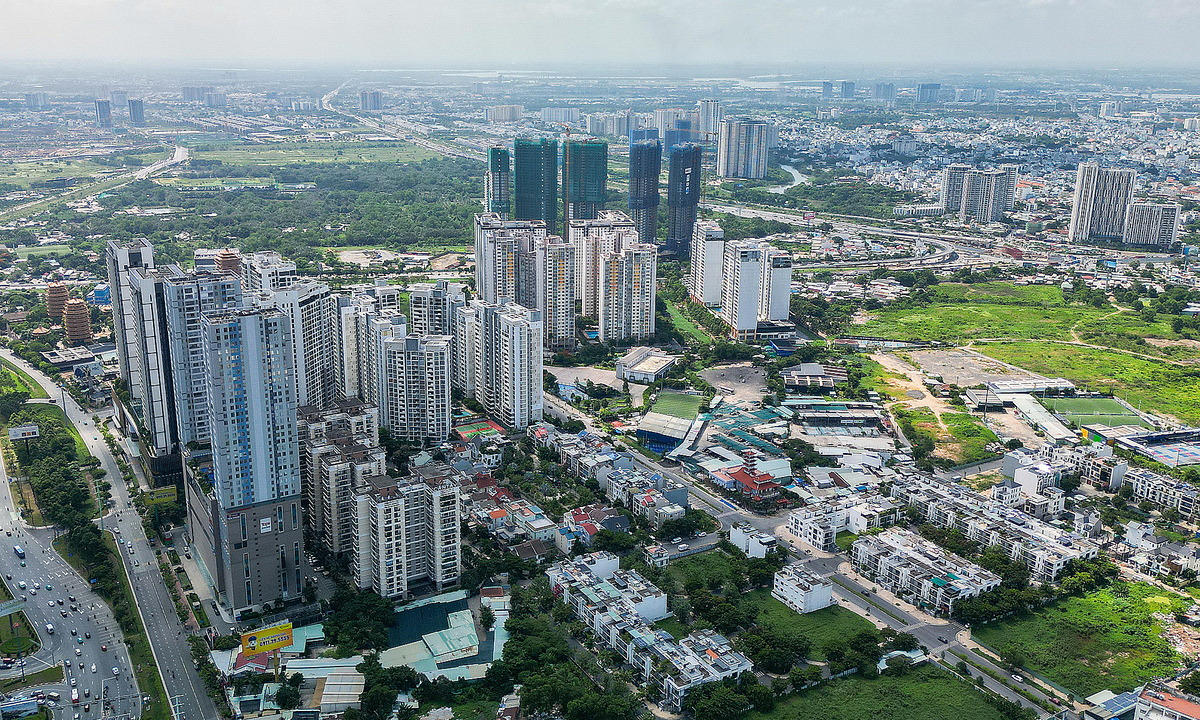
Vietnam's resale housing market is experiencing localized price adjustments, a trend driven by increasing interest rates. This contrasts with the primary housing market, which saw price increases from developers during the first half of the year. The shift indicates a cooling effect on the secondary market as borrowing costs rise. Developers in the primary market, however, have maintained or increased their prices, potentially due to different funding structures or market strategies. This divergence suggests a bifurcated market dynamic where new constructions remain robust while existing properties face downward price pressure. The local nature of these adjustments implies that the impact may vary significantly across different regions and property types within Vietnam. Further analysis will be needed to understand the long-term implications of these interest rate pressures on overall market stability and affordability.
The localized price adjustments in Vietnam's resale housing market, attributed to rising interest rates, highlight the sensitivity of the secondary property sector to monetary policy shifts. This contrasts with the primary market's continued price growth, suggesting that developers may possess greater pricing power or different financial leverage. The divergence could signal a potential decoupling where new developments cater to a different segment or are insulated from immediate resale market pressures. Over the next decade, understanding the interplay between developer strategies, interest rate environments, and consumer affordability will be crucial for navigating market stability and equitable access to housing in Vietnam.
AI-generated to prompt reflection — not editorial opinion, not advice, not a statement of fact. How this works.