Vietnamese Banks Raise Bond Interest Rates to Nearly 10%
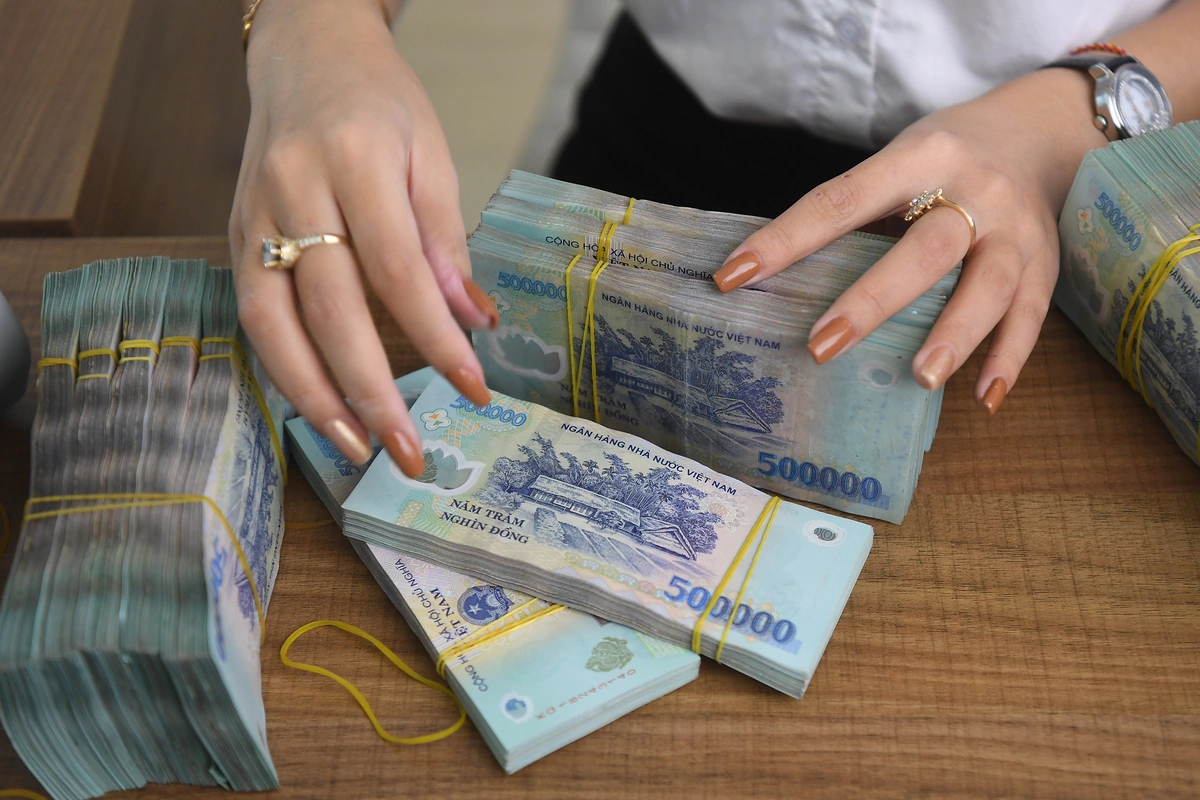
Several Vietnamese banks have increased their capital mobilization through bond issuance in the latter half of June. Some of these bond offerings have reached interest rates as high as 9.7%, marking the highest levels seen in many years. This move indicates a significant shift in the banks' strategy to attract funding amidst evolving market conditions. The surge in bond yields suggests a heightened demand for capital within the banking sector. This trend is particularly notable as it represents a substantial increase compared to previous periods. The banks are likely employing these higher rates to ensure sufficient liquidity and to meet their financial obligations. The specific details of the bond issuances, including the total amounts raised and the exact maturity dates, are not provided in the source. However, the general trend points to a competitive environment for securing funds in the Vietnamese financial market.
The reported increase in Vietnamese bank bond interest rates to nearly 10% suggests a tightening liquidity environment or a strategic effort by banks to bolster their capital reserves. This rise in borrowing costs could reflect increased demand for credit in the economy or a response to prevailing monetary policy conditions. From a systemic perspective, higher funding costs for banks can potentially translate into increased lending rates for businesses and consumers, impacting overall economic activity. Investors, meanwhile, are presented with potentially more attractive yields, though they should assess the associated risks of bank-issued debt. This development warrants monitoring to understand its implications for financial stability and the broader economic outlook in Vietnam over the next decade, particularly in the context of evolving global financial dynamics and technological advancements.
AI-generated to prompt reflection — not editorial opinion, not advice, not a statement of fact. How this works.