Vietnamese Scientists Develop Automated Materials Synthesis Lab
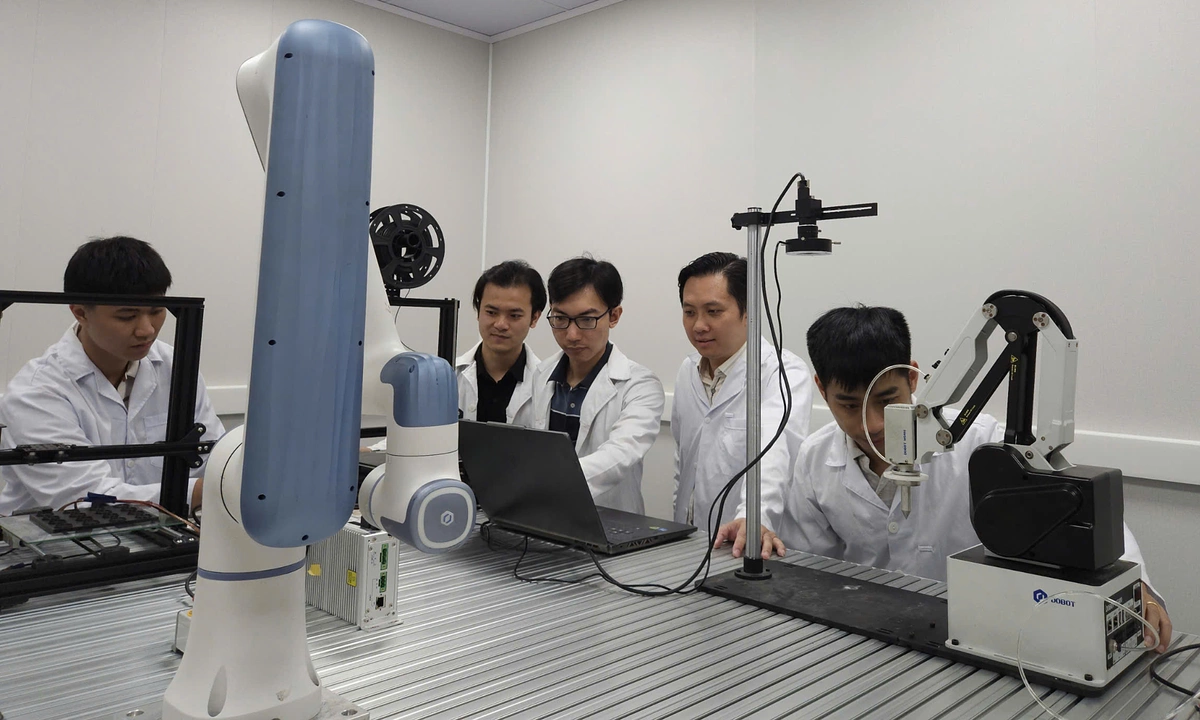
Researchers at the Institute of Materials Science in Vietnam are developing an advanced automated laboratory for materials synthesis. This new system is designed to achieve superior accuracy and efficiency compared to human capabilities. The project aims to streamline the process of creating new materials, potentially accelerating scientific discovery and industrial application. The automated lab will allow for precise control over synthesis parameters, reducing variability and improving reproducibility. This initiative represents a significant step forward in materials science research within Vietnam. By leveraging automation, the institute seeks to enhance its capacity for innovation and contribute to the development of cutting-edge materials. The goal is to create a more robust and scalable approach to materials development. This technology could pave the way for faster development cycles and the creation of novel materials with unique properties.
The development of an automated materials synthesis laboratory by Vietnamese scientists represents a strategic investment in advanced research infrastructure. This initiative aligns with global trends in scientific automation, aiming to enhance research productivity and precision. By reducing human error and increasing throughput, such systems can accelerate the discovery and optimization of new materials. This could position Vietnam to become a more competitive player in the global materials science landscape. The focus on automation addresses the inherent complexities and time-intensive nature of traditional materials synthesis, potentially unlocking new avenues for technological innovation and economic growth over the next decade.
AI-generated to prompt reflection — not editorial opinion, not advice, not a statement of fact. How this works.