Vietnamese Ship Sinks in South China Sea; 23 Missing, 39 Rescued
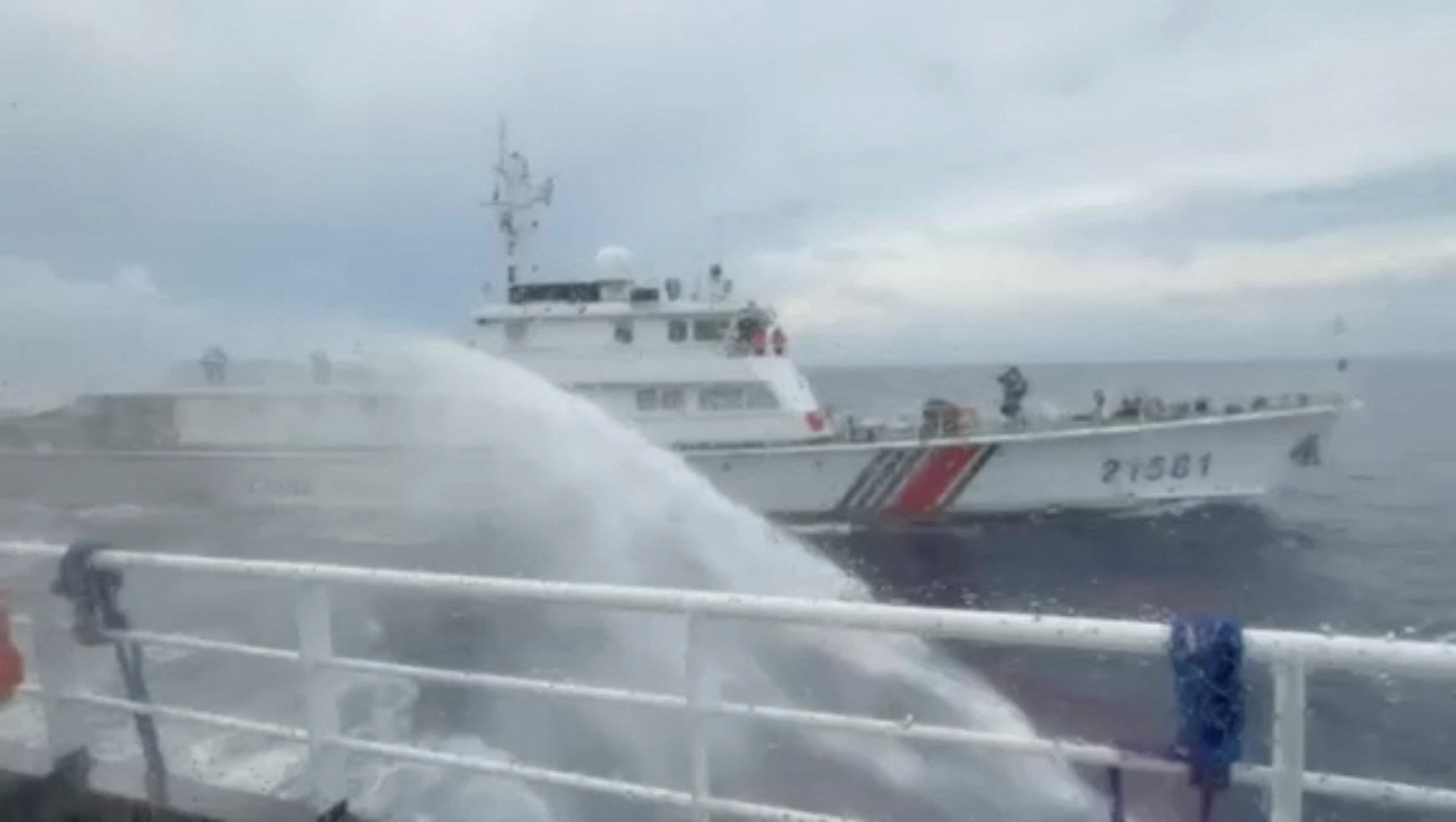
A Vietnamese cargo ship, the Khoi Nguyen 18, sank in the South China Sea on Saturday, July 25th, leaving 23 crew members missing and 39 others rescued. The vessel, which had 62 Vietnamese citizens on board, encountered difficulties near the Fiery Cross Reef. An emergency flare from the ship was first spotted by a Chinese rescue vessel, the Nanhai Jiu 115, on Saturday night. As of Sunday, July 26th, rescue operations were underway involving six Chinese vessels, one helicopter, and a Vietnamese ship. The Khoi Nguyen 18 is a nearly 70-meter-long ship with a gross tonnage of 999 tons. The incident occurred in the vicinity of the Spratly Islands, a highly contested region rich in natural resources. China claims sovereignty over most of this strategic waterway, including the Spratlys, where it has established artificial islands and airstrips. Its claims overlap with those of Vietnam, the Philippines, Taiwan, Malaysia, and Brunei.
This incident highlights the inherent risks associated with maritime transport, particularly in geopolitically sensitive and resource-rich areas like the South China Sea. The overlapping territorial claims in the Spratly Islands region create a complex operational environment where rescue efforts can be influenced by national interests and capabilities. The reliance on international maritime traffic for trade means that such incidents can have cascading effects on supply chains. Future technological advancements in vessel monitoring and autonomous rescue systems could mitigate some of these risks, while clearer international frameworks for resource management and navigation in disputed waters might reduce the potential for friction and improve safety standards.
AI-generated to prompt reflection — not editorial opinion, not advice, not a statement of fact. How this works.