Viking Horned Helmets: A Myth Popularized Centuries After the Viking Age
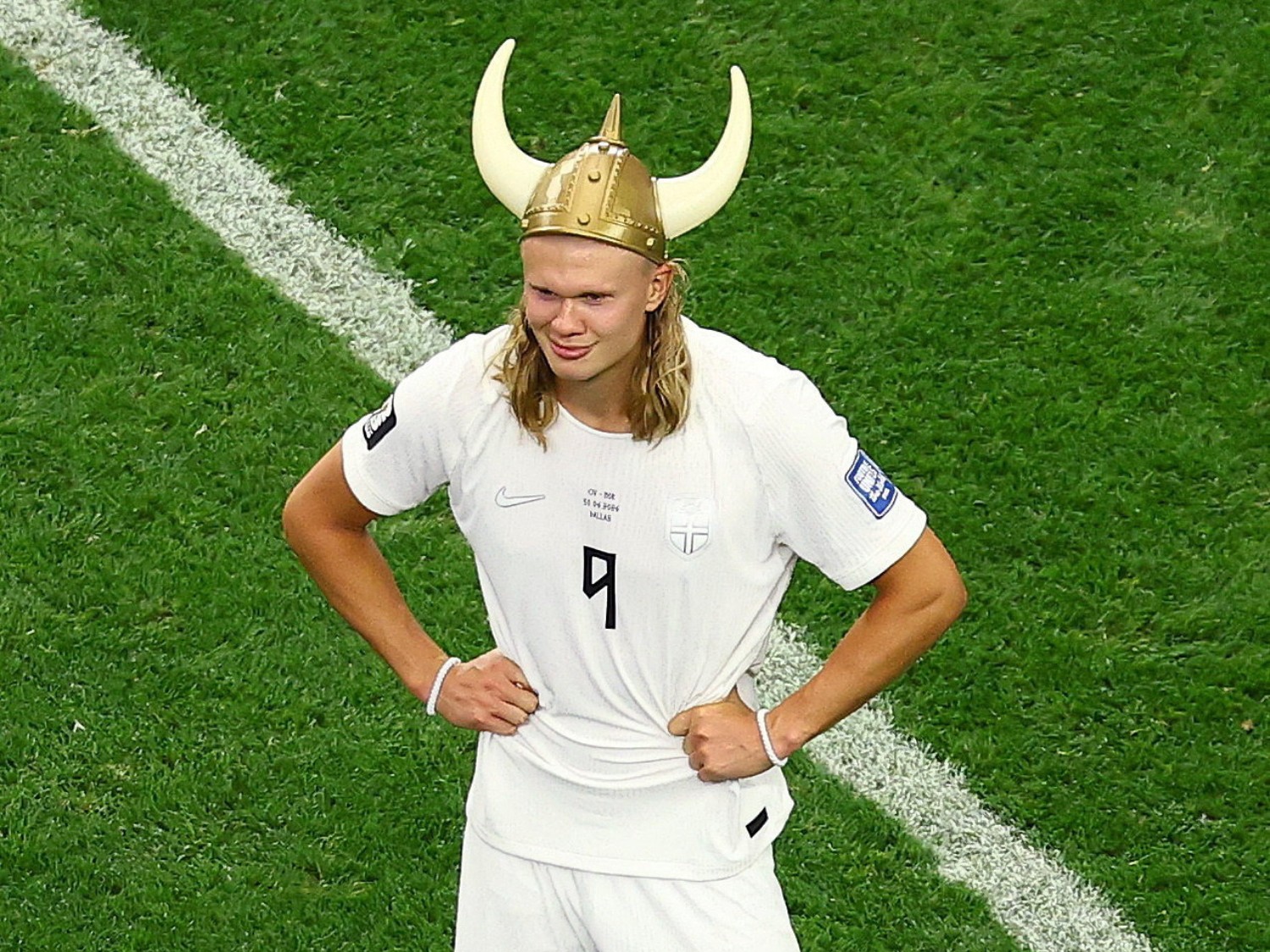
The iconic horned helmet, often associated with Vikings and seen recently in celebrations by Norwegian footballer Erling Haaland, is a historical inaccuracy. This symbol was not used by actual Vikings but emerged centuries later through artistic interpretations. European artists in the 19th century, influenced by Romanticism and German traditions, began depicting Norse warriors with horned helmets, a trend that gained significant traction with Richard Wagner's operas in the 1870s. This romanticized image, portraying Vikings as tall, strong, and fearless warriors, has since been perpetuated through art, literature, and modern pop culture, including characters like Thor and the series "Vikings."
Historically, the term "viking" referred to an activity—piracy and raiding—rather than a specific ethnic group. Medieval Scandinavians engaged in these maritime expeditions, and the associated imagery of horns, if present, symbolized strength and virility, not betrayal. Furthermore, the popular "Viking rowing" celebration, seen during Norway's 2026 World Cup campaign, is a modern invention. Created in March 2026 by Norwegian professor Ole Frøystad, this synchronized rowing motion was designed as a simple, engaging chant for fans and has no historical basis in Viking practices. Actual Viking ships used oars for practical navigation, not for ritualistic or celebratory purposes.
The enduring popularity of the horned helmet symbol highlights how cultural narratives, once established through artistic license and amplified by popular media, can become deeply ingrained, often overshadowing historical accuracy. This phenomenon demonstrates the power of visual storytelling in shaping collective memory and national identity. The modern adoption and adaptation of such symbols, like the "Viking rowing" chant, illustrate how cultural elements can be reinterpreted and revitalized for contemporary engagement. Examining these instances prompts reflection on how societies construct and consume historical imagery, and the potential for such narratives to influence perceptions of heritage and belonging in the digital age.
AI-generated to prompt reflection — not editorial opinion, not advice, not a statement of fact. How this works.