Vila Socó Fire: Commission Seeks Historical Reparations 42 Years After Tragedy
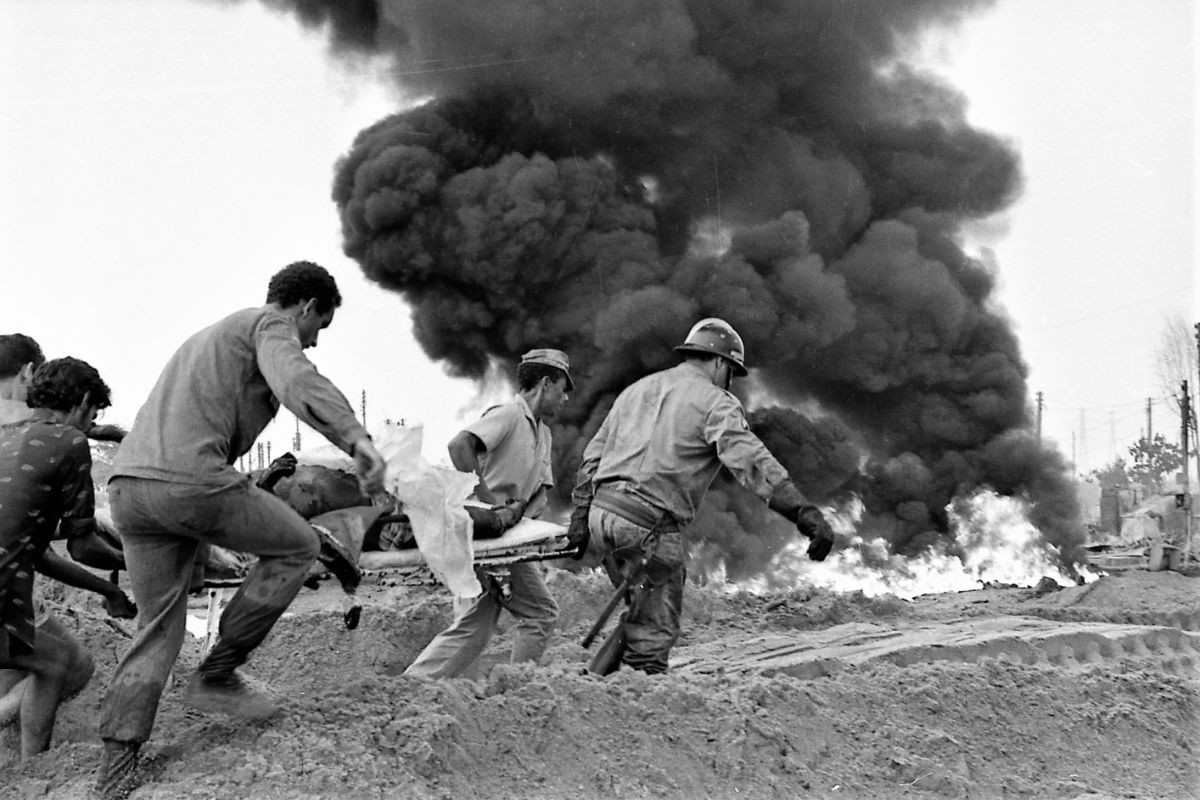
A commission is seeking historical reparations and collective amnesty for the Vila Socó fire tragedy in Cubatão, São Paulo, which occurred 42 years ago and resulted in over 90 deaths. The Commission of Memory, Truth, Justice, and Reparation for the Victims of Vila Socó considers the 1984 fire a crime committed within the context of the military dictatorship. The group plans to formally request collective amnesty from the Federal Government through the Amnesty Commission, established by Law No. 10.559/2002. This commission reviews amnesty requests based on unequivocal proof of politically motivated persecution.
Additionally, the commission's president and lawyer, Dojival Vieira dos Santos, will request the inclusion of victims' names on the list of the Special Commission on Political Deaths and Disappearances. This commission investigates crimes from the dictatorship era to ensure victims are compensated. The Vila Socó fire happened in February 1984 following a fuel leak from a pipeline connected to the Presidente Bernardes Refinery of Cubatão. While authorities reported 93 deaths, the commission disputes this figure, believing the actual number of victims to be higher. They cite documents referring to "total family death" without exact counts and recent discoveries of survivors living in São Vicente. The commission will convene at the Cubatão Municipal Chamber on Monday, the 10th, to register more individuals for their claims.
The Vila Socó fire, occurring during Brazil's military dictatorship, highlights systemic failures in industrial safety and governance, exacerbated by political repression. The commission's pursuit of collective amnesty and reparations frames the event not as an accident but as a state-sanctioned crime, challenging official narratives and seeking accountability. This initiative underscores the long-term societal impact of authoritarian regimes, where human rights abuses and negligence can have devastating, enduring consequences. The request for inclusion on the list of political deaths and disappearances seeks to integrate this tragedy into the broader historical reckoning of the dictatorship, aiming for recognition and redress. Future governance models must prioritize robust public safety regulations and transparent accountability mechanisms, particularly in industrial zones, to prevent similar human tragedies and ensure that historical injustices are acknowledged and addressed.
AI-generated to prompt reflection — not editorial opinion, not advice, not a statement of fact. How this works.
