Vilarejo's Logistics Infrastructure Ensures Construction Projects Stay on Schedule
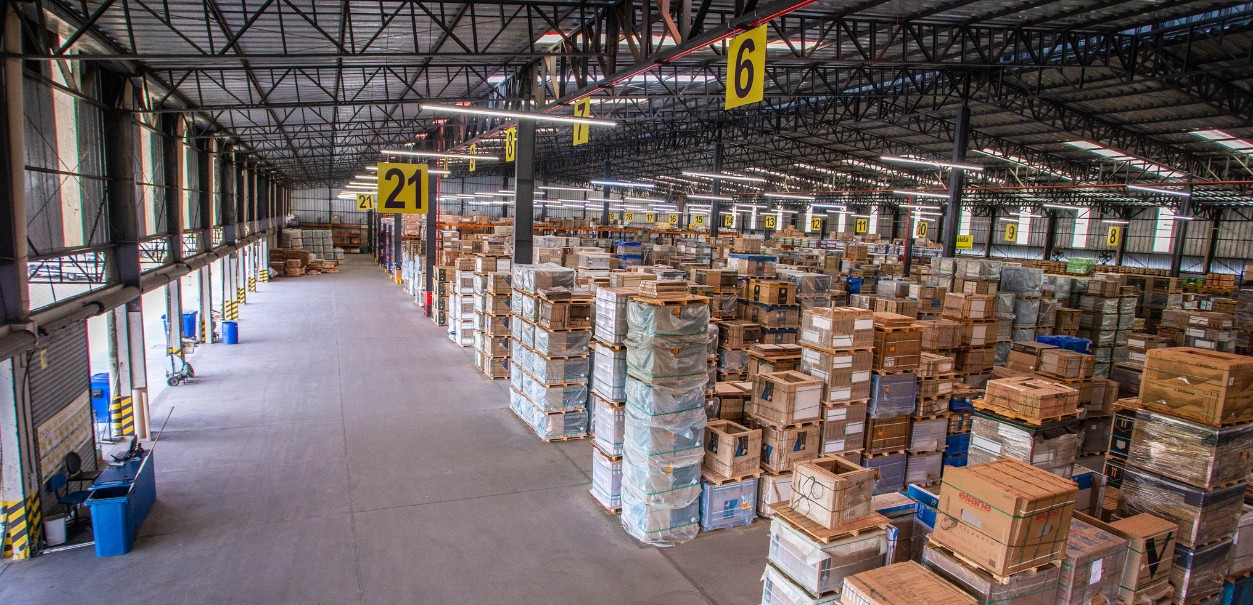
Vilarejo's robust logistics network is proving crucial for maintaining construction and renovation timelines in a market with increasingly tight schedules. The company's operational strength lies in its distribution center, spanning 48,000 square meters, which holds over 350,000 square meters of tiling materials in stock. This inventory is supported by a dedicated fleet of 28 trucks, enabling efficient service to more than 50 cities. This infrastructure significantly enhances the speed of product replenishment and the reliability of scheduled deliveries.
The integrated and organized stock management system directly contributes to sustaining the momentum of construction and renovation projects across various locations. By ensuring material availability and well-planned deliveries, Vilarejo empowers architects, construction professionals, and clients to work with greater predictability, thereby minimizing the risk of project delays or last-minute modifications. This logistical coherence also safeguards project specifications, as a synchronized operation of inventory, picking, and delivery ensures that the work proceeds smoothly and according to plan, maintaining project rhythm and schedule adherence. Vilarejo operates stores in Araruama, Maricá, Cabo Frio, Búzios, Rio das Ostras, Macaé, Campos dos Goytacazes, and Niterói, all within Rio de Janeiro state.
The case of Vilarejo highlights the increasing strategic importance of supply chain management in the construction sector. As project timelines compress and material availability becomes a critical differentiator, companies that invest in integrated logistics, substantial inventory, and dedicated transportation infrastructure gain a competitive advantage. This focus on operational efficiency not only mitigates risks for clients by ensuring predictability but also reinforces the integrity of project specifications. Looking ahead, businesses in this sector will likely face continued pressure to optimize their logistics, potentially through further technological integration or regional consolidation, to manage fluctuating demand and material costs effectively in an evolving economic landscape.
AI-generated to prompt reflection — not editorial opinion, not advice, not a statement of fact. How this works.