Village Reveres Ravana, Forgoes Effigy Burning on Dussehra
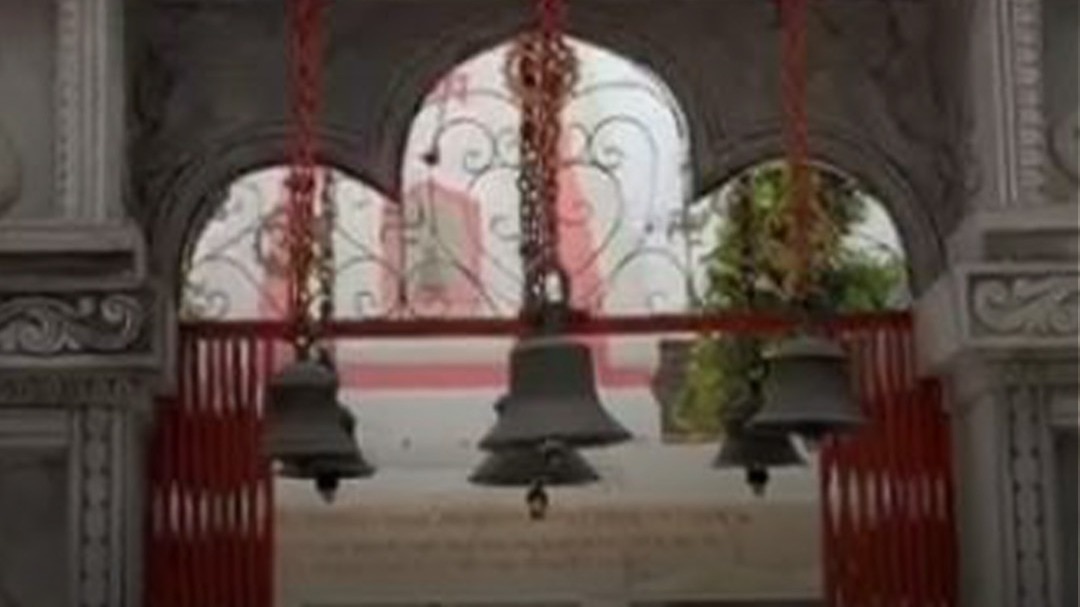
In Bisrakh village, located in Greater Noida West, Uttar Pradesh, Ravana is worshipped due to beliefs connecting him to the land as his birthplace. Consequently, the village does not observe the tradition of burning Ravana's effigy during Dussehra, nor does it stage Ramlila performances. This unique practice stems from deep-seated religious beliefs that are respected within the community. The villagers continue to uphold their distinct tradition, choosing reverence over the conventional destruction of Ravana's effigy. This custom has been maintained by the village for generations. The decision to not burn the effigy is a testament to their commitment to preserving their cultural and religious heritage. While other regions celebrate Dussehra by symbolically defeating evil through the burning of Ravana, Bisrakh village honors a different interpretation of the epic.
The village of Bisrakh's adherence to worshipping Ravana rather than burning his effigy on Dussehra highlights a divergence in cultural interpretation of the Ramayana epic. This practice, rooted in local beliefs about Ravana's birthplace, underscores the diversity of religious observance within India. Such traditions can offer insights into how historical narratives are localized and reinterpreted, potentially challenging dominant cultural narratives. From a systems perspective, this demonstrates the resilience of local customs against broader national or regional trends, suggesting that cultural identity can be strongly tied to specific geographical origins and ancestral reverence.
AI-generated to prompt reflection — not editorial opinion, not advice, not a statement of fact. How this works.