Villagers Earn ₹2 Per Insect Head in MP's Unique Campaign to Eradicate Sal Borer
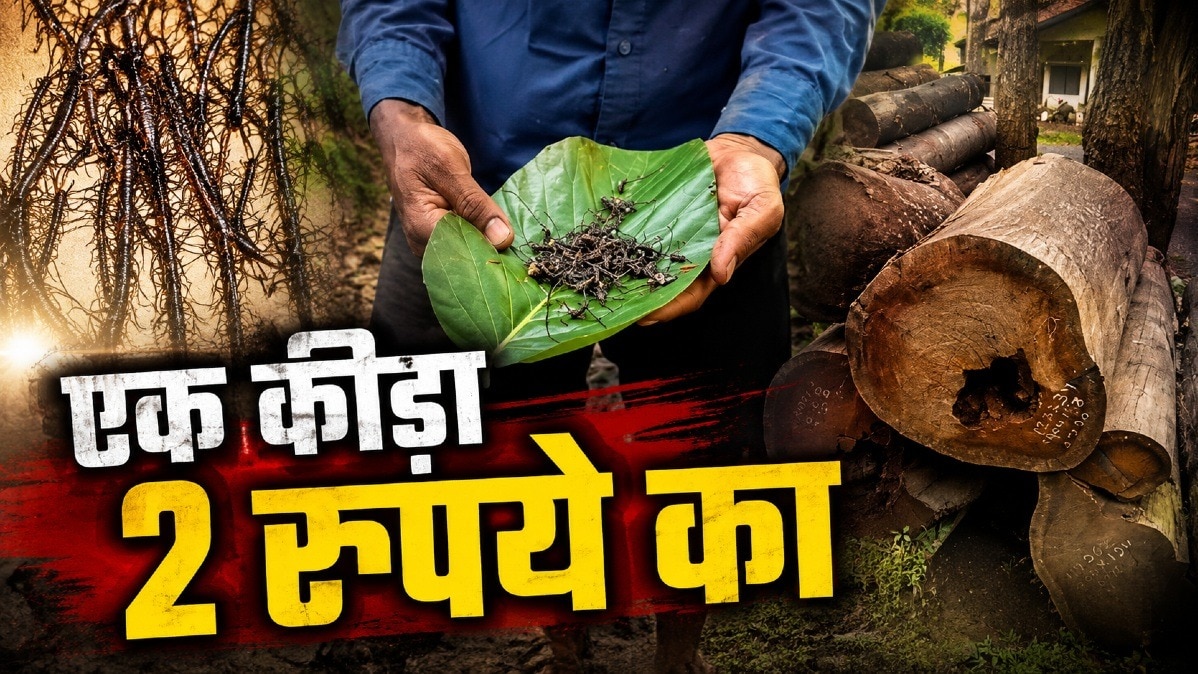
In a novel initiative within the forests of Madhya Pradesh, villagers have been mobilized to combat the destructive Sal borer insect. The campaign offers a reward of ₹2 for each insect head collected, incentivizing a large-scale effort to control the pest. To date, villagers have successfully captured and processed 10 lakh (1 million) insects as part of this program. This effort is crucial as it aims to prevent the felling of approximately 1.46 lakh (146,000) Sal trees, which are threatened by the infestation. The ground report highlights the community's active participation in this conservation drive. The Sal borer is known for its damaging effects on Sal trees, a valuable timber species in India. This method, while unusual, represents a direct community-led approach to ecological management. The success of this program could offer a model for similar pest control challenges in other forested regions.
This community-driven insect eradication program in Madhya Pradesh presents an interesting case study in incentivized ecological management. By assigning a monetary value to individual pests, the initiative leverages local participation to address a significant environmental threat to Sal trees. This approach bypasses the need for large-scale chemical interventions, potentially reducing ecological harm. However, the long-term sustainability and scalability of such a reward-based system warrant consideration. Future analyses might explore the economic viability, potential for unintended consequences like market distortions, and the overall ecological impact compared to integrated pest management strategies. The initiative also raises questions about the valuation of natural resources and the role of local communities in conservation efforts within the broader context of India's forest management policies.
AI-generated to prompt reflection — not editorial opinion, not advice, not a statement of fact. How this works.