Vingegaard's Tour de France Exit: Doping Chief Questions Rival's Theory
,xPosition=.5,yPosition=.5;Resize=(1200,675)&impolicy=medium)
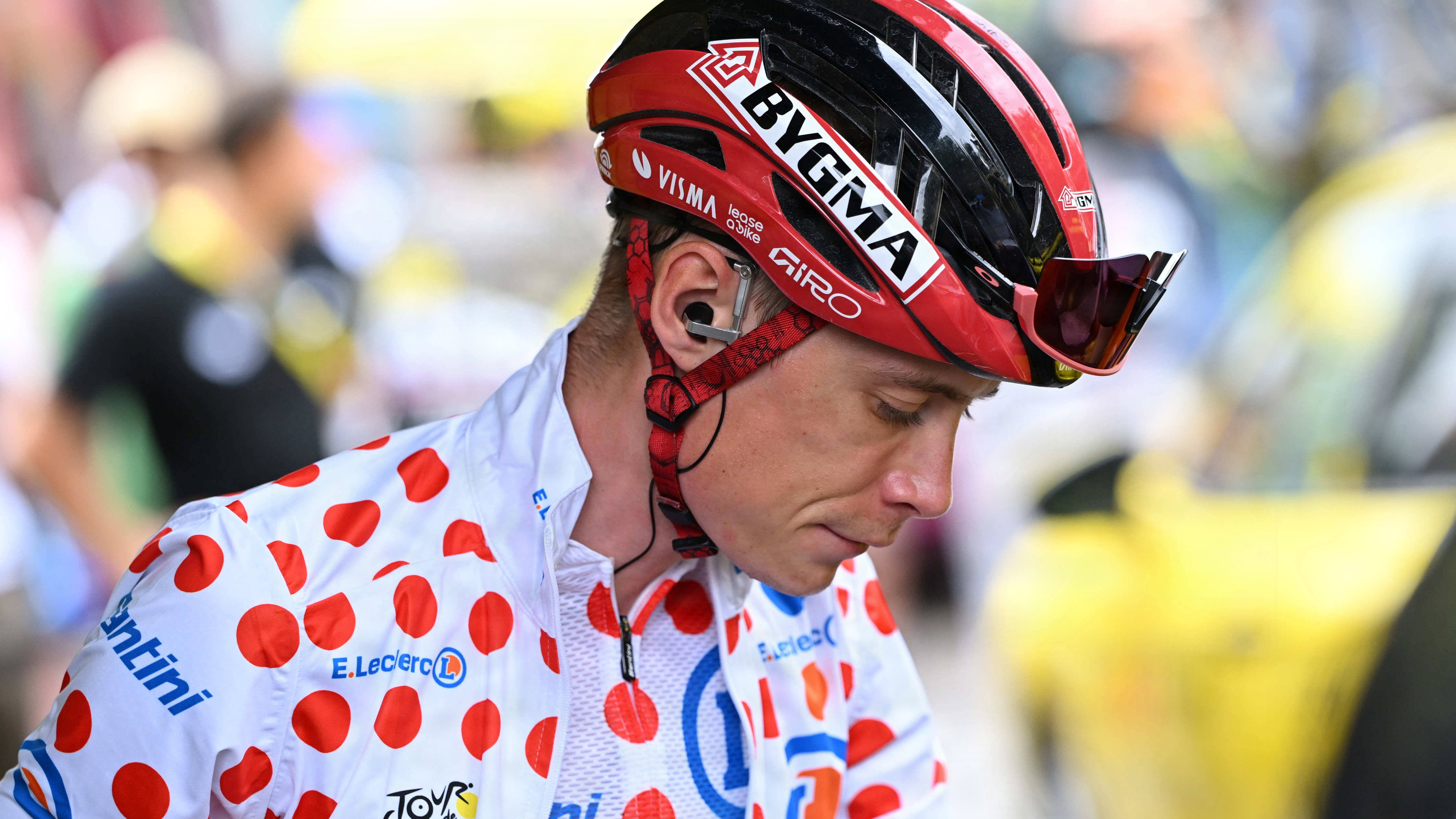
Jonas Vingegaard has withdrawn from the Tour de France following a crash during the 15th stage. The Danish cyclist's main rival has suggested that an unannounced nighttime visit could be a contributing factor to his exit. However, the head of Danish anti-doping has dismissed this connection as questionable. The rival's theory implies that Vingegaard might have been disturbed or affected by an unexpected visitor during the night, potentially impacting his performance or decision to withdraw. The anti-doping official's skepticism suggests that such an event is unlikely to be a direct cause for a rider abandoning the race, especially in a high-stakes competition like the Tour de France. The focus remains on the physical impact of the crash as the primary reason for Vingegaard's departure.
The incident highlights the intense scrutiny and psychological pressures inherent in elite professional cycling. While the rival's assertion about a nighttime visit might be an attempt to explain Vingegaard's withdrawal, it also underscores the complex interplay between physical condition, mental fortitude, and external factors in competitive sports. The Danish anti-doping chief's response suggests a need for evidence-based reasoning over speculative claims, emphasizing that performance and race decisions are typically driven by more direct physiological or strategic factors. This situation prompts consideration of how narratives can emerge around athlete performance, and the importance of distinguishing between potential influences and established causes, particularly in the context of doping controls and fair play.
AI-generated to prompt reflection — not editorial opinion, not advice, not a statement of fact. How this works.