Viral Bronzing Jelly Under $7 Sells Out Every Summer: We Tested It
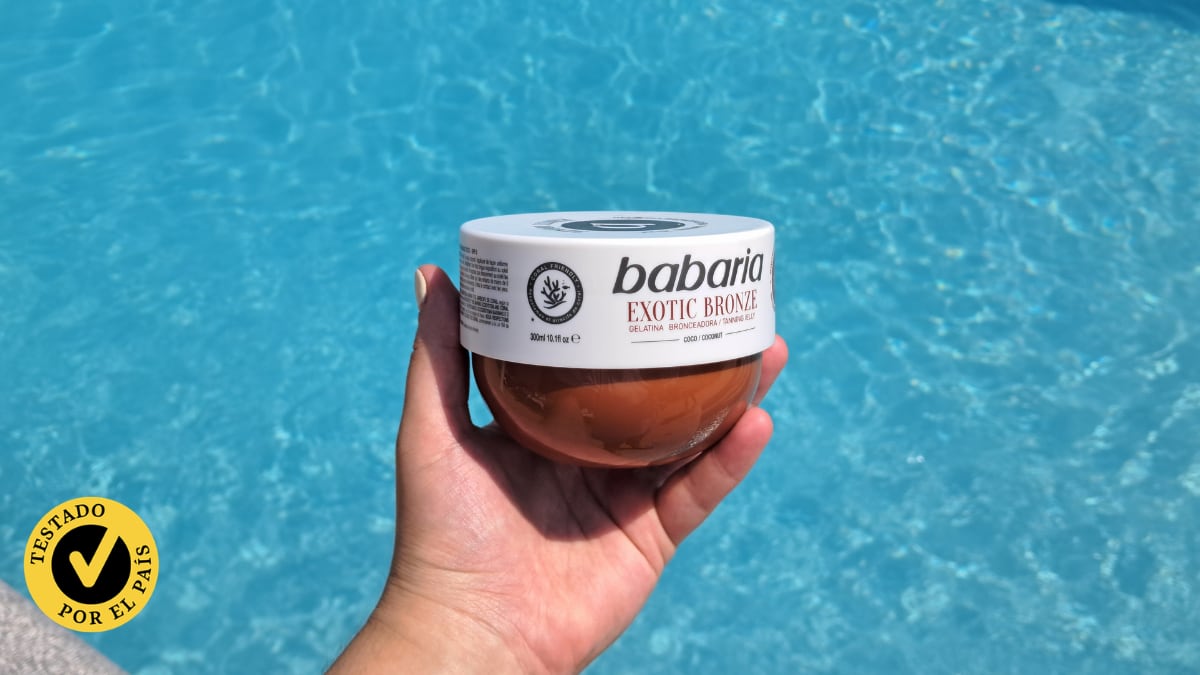
A bronzing jelly priced at under 7 euros has become one of the most talked-about products of the summer, driven by thousands of videos on social media platforms. This product has gained significant traction, with many users sharing their experiences online. To determine if its popularity is justified, the jelly was put to the test. The evaluation focused on its application process, the sensation it leaves on the skin, and whether its widespread fame aligns with its actual performance. The product's ability to achieve a bronzed look and its overall user experience were key aspects of the review. Its affordability and viral status have made it a highly sought-after item during the summer months. The testing aimed to provide an objective assessment of its merits and drawbacks, helping consumers decide if it lives up to the hype generated online. The results of this trial are intended to offer clarity on its effectiveness and value.
The viral success of affordable beauty products like this bronzing jelly highlights the powerful influence of social media marketing on consumer purchasing decisions. Platforms like TikTok and Instagram can rapidly elevate a product's profile, creating demand that often outstrips supply, as seen with this item selling out annually. This phenomenon underscores a shift in beauty industry dynamics, where user-generated content and influencer endorsements can rival traditional advertising. From a market perspective, the low price point combined with high visibility creates a compelling value proposition for consumers, driving repeat purchases and brand loyalty. However, the rapid demand also presents challenges for consistent product availability and quality control. Future market strategies might focus on leveraging this social proof while ensuring scalable production to meet sustained demand, potentially exploring subscription models or limited edition releases to manage scarcity.
AI-generated to prompt reflection — not editorial opinion, not advice, not a statement of fact. How this works.