Viral Video of Japanese Mall During Earthquake is From 2024, Not Recent Event
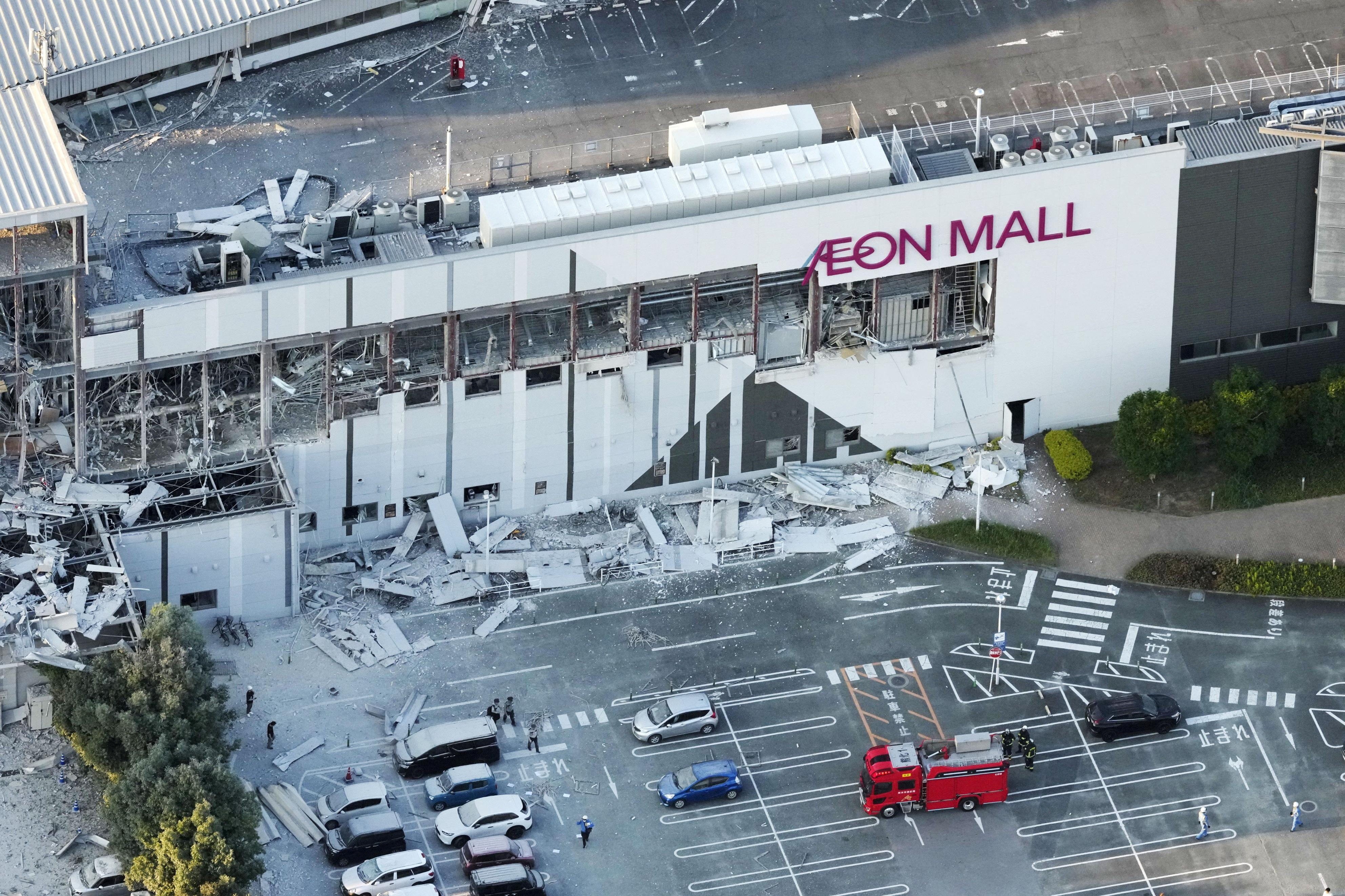
A video circulating on social media, purportedly showing people trapped in a Japanese shopping mall following a recent earthquake and explosion, has been debunked as fake. The footage actually depicts an earlier earthquake that occurred on January 1, 2024, at an Aeon Mall in Takaoka, Toyama province. The recent earthquake on Tuesday, January 28, also impacted an Aeon Mall in Kashima, Kumamoto, but this was a different location and the video is unrelated to the current event. Fact-checkers used reverse image searches on Google Lens and tools like InVID to trace the video's origin. They found the original recording was posted on YouTube on January 3, 2024, with a caption identifying it as the Aeon Mall Takaoka during a seismic intensity of 6+ (Shindo 6 Strong). The 2024 earthquake, with a magnitude of 7.6, caused deaths and tsunami alerts, with its epicenter in Ishikawa, near Toyama. The Aeon Mall Takaoka is approximately 1,020 kilometers away from the Aeon Mall Kumamoto, which was affected by the recent event. Location verification was confirmed by comparing store layouts visible in the video with official mall maps, showing that the stores in the viral footage are clustered together in the Takaoka mall, unlike their dispersed locations in the Kumamoto mall. This same video was previously fact-checked in January 2025 after another earthquake in southern Japan.
This incident highlights the persistent challenge of misinformation amplification during real-world crises. The viral video, while depicting a genuine earthquake event, was repurposed and misattributed to a more recent tragedy, exploiting the public's heightened attention and emotional response. This tactic leverages the inherent credibility of visual evidence while distorting its context. The rapid spread of such content underscores the need for robust, accessible fact-checking mechanisms and media literacy initiatives. In the digital age, where information travels instantaneously, the ability to critically evaluate sources and verify content before sharing is paramount. Future systems may need more sophisticated AI-driven verification tools integrated directly into social media platforms to mitigate the impact of such deceptive practices during unfolding events.
AI-generated to prompt reflection — not editorial opinion, not advice, not a statement of fact. How this works.