Viral Videos Falsely Claim Heatwave Melted European Traffic Lights
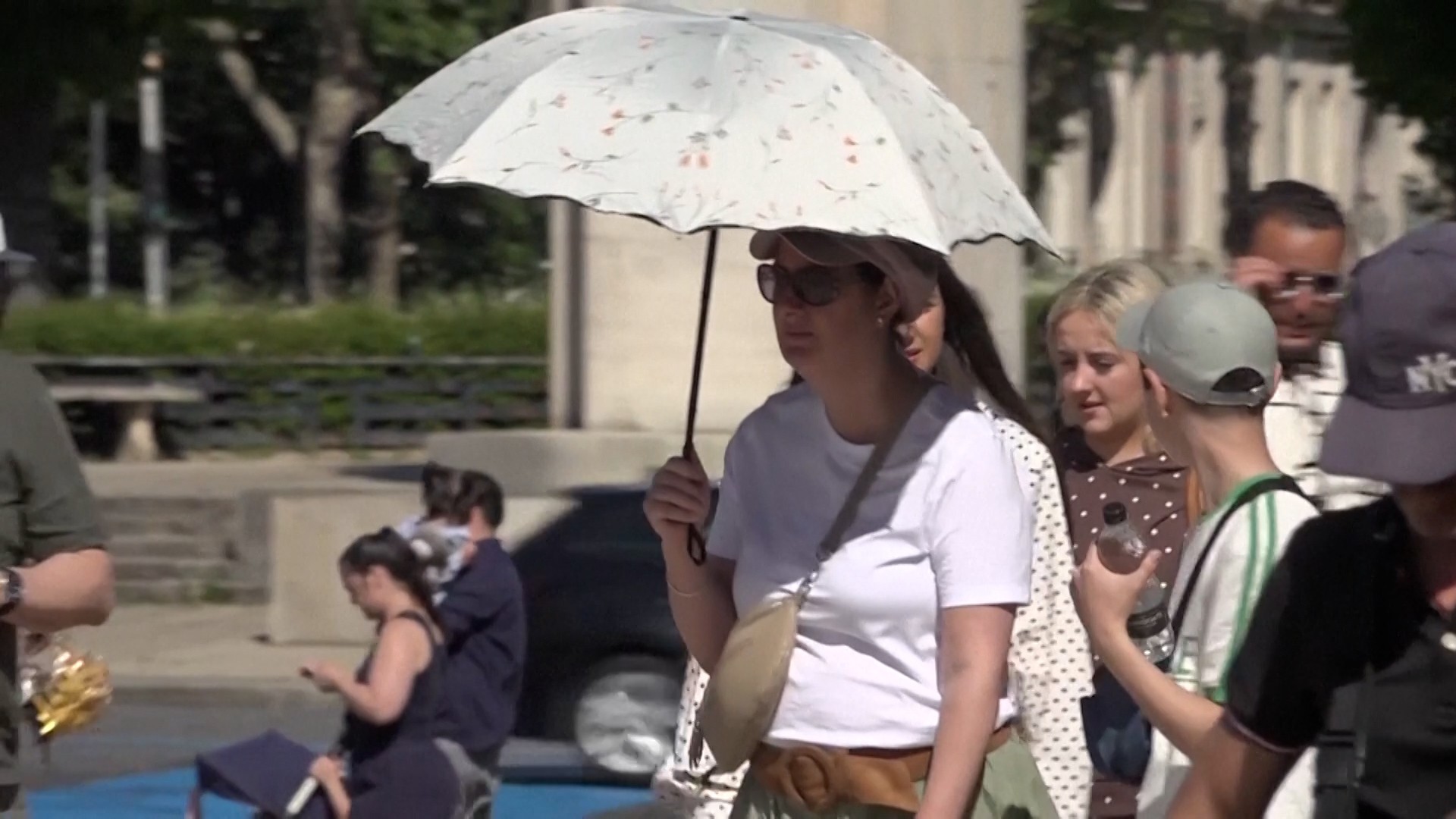
Social media platforms are circulating videos falsely claiming that traffic lights in Europe melted due to a recent heatwave. The videos, which show deformed traffic lights, have been shared with captions attributing the damage to extreme temperatures, with some posts specifically mentioning Italy and Germany as affected countries. However, investigations have revealed that these claims are fabricated. The first traffic light shown in the viral video was located in Bovolone, Italy, and its deformation was caused by a car fire that occurred days prior to the heatwave. A local resident had filmed the damaged signal and jokingly attributed it to the heat. The same location and the damaged traffic light are visible in images from a car fire reported on June 23rd. The second traffic light featured in the videos is from Berlin, Germany, and was damaged approximately a year ago due to a fire in an adjacent property, not the recent heatwave. The company responsible for the traffic signal management, Infrasignal, confirmed that the plastic used in traffic lights only deforms at around 100 degrees Celsius, far exceeding the temperatures experienced during the heatwave. This incident highlights the spread of misinformation amidst real-world events, as the false claims gained traction during a period of record-breaking temperatures across Europe.
The viral spread of misinformation regarding melted traffic lights exemplifies a common pattern where real-world events, such as extreme weather, become fertile ground for fabricated narratives. This phenomenon is amplified by social media's rapid dissemination capabilities. The analysis of these claims reveals a tactic of repurposing existing footage of localized incidents—car fires in Italy and property fires in Germany—and recontextualizing them within a more dramatic, widespread event. This strategy leverages the audience's heightened emotional state during a crisis, making them more susceptible to believing sensationalized, albeit false, information. Future technological and societal developments, including AI-driven content generation, may further complicate the distinction between authentic and fabricated visual evidence, necessitating robust verification mechanisms and critical media literacy education to mitigate the impact of such deceptions on public understanding and trust.
AI-generated to prompt reflection — not editorial opinion, not advice, not a statement of fact. How this works.