Visa Country Manager Discusses Digital Payment Growth and Challenges in Bangladesh
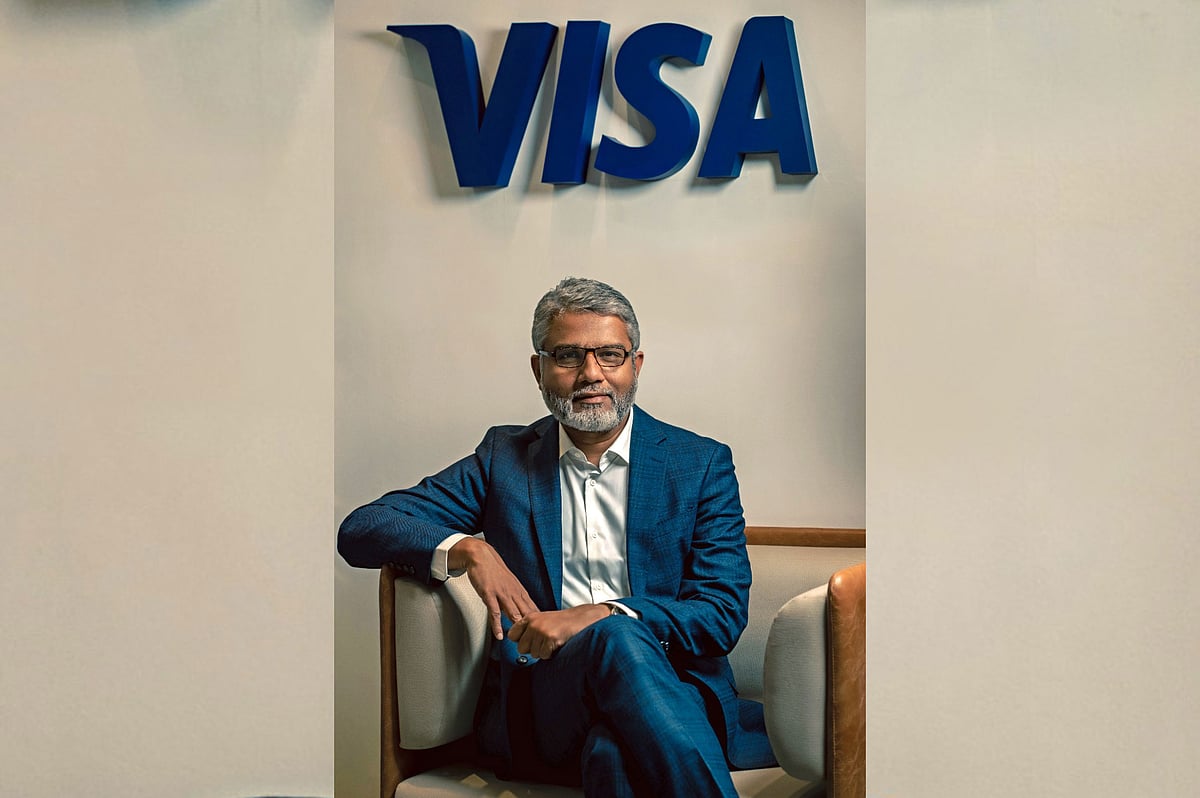
Sabbir Ahmed, Visa's Country Manager for Bangladesh, Nepal, and Bhutan, shared insights on the evolving digital payment landscape in Bangladesh. He noted that while domestic digital transactions showed resilience, recovering quickly from disruptions caused by political movements, cross-border transactions have faced challenges. Following political changes in early 2024, several countries have limited or suspended visa access for Bangladeshis, leading to an estimated 15-20% decrease in international card transactions. Ahmed expressed hope for improvement but indicated that significant recovery in this sector has not yet materialized.
Despite these international headwinds, domestic digital payments are growing. Currently, approximately 70% of transactions in Bangladesh are still cash-based, with 30% digital, a ratio Ahmed believes should eventually invert. Card transactions are increasing at a rate of over 20% annually. To facilitate this, Visa has introduced 'Tap and Pay' (contactless payment) technology, now accounting for six out of every ten card transactions, with the PIN-free limit raised to BDT 5,000. For broader adoption, Visa is developing 'Visa Accept' to enable small and medium merchants with bank accounts and cards to participate in digital transactions without additional documentation.
Addressing security concerns, Ahmed highlighted Visa's multi-layered approach, investing billions annually in securing its core payment network and reducing customer-side risks. The introduction of 'Pass-key' technology, utilizing biometrics or patterns for transaction authentication, aims to combat common fraud like OTP sharing. Visa views mobile financial service providers like bKash and Nagad as collaborators, as they increase the overall utility of cards for 'add money' functions and direct payments. Visa holds a dominant 72% share of Bangladesh's credit card market, attributed to its global acceptance, reliability, and 40-year presence in the country. With only about 1% of the population using credit cards, Visa sees significant growth potential and aims to double its digital payment user base within five years, while also expanding services like Google Pay and working towards launching Apple Pay.
The expansion of digital payment infrastructure in Bangladesh, as highlighted by Visa's Country Manager, presents a dual narrative of domestic resilience and international vulnerability. While internal market dynamics show a strong upward trend in card usage and adoption of contactless technologies, external factors such as visa restrictions significantly impact cross-border financial flows. This underscores the interconnectedness of geopolitical stability and economic activity, particularly for developing economies reliant on international engagement. The strategic push towards a cashless society, driven by both technological innovation and regulatory support, offers substantial opportunities for financial inclusion and efficiency. However, the persistent reliance on cash in rural areas and the ongoing challenges of digital fraud necessitate continuous investment in accessible, secure, and user-friendly solutions tailored to diverse socioeconomic contexts. Visa's market dominance, built on global trust and network reliability, positions it to influence the future trajectory of digital finance in Bangladesh, balancing growth ambitions with the imperative of robust consumer protection and equitable access.
AI-generated to prompt reflection — not editorial opinion, not advice, not a statement of fact. How this works.