Visa-free travel to French Guiana for Brazilians begins August 1, 2026
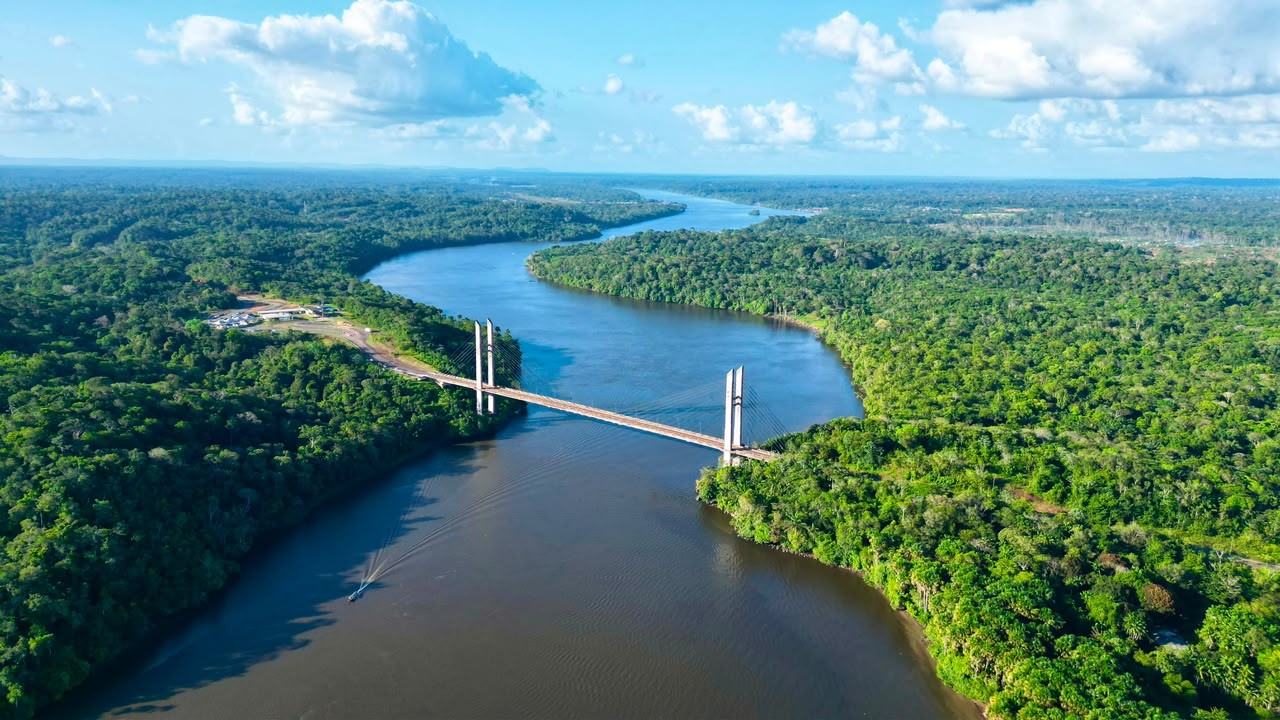
Brazilians will no longer require a visa to enter French Guiana starting August 1, 2026, following an agreement between Brazil and France. This change, which has been under discussion for at least 16 years, aligns with the principle of reciprocity, as French tourists do not need a visa to enter Brazil. The agreement was signed on July 1st by Minister Mauro Vieira, who described it as a historic milestone that meets the desires of populations on both sides of the border, particularly in Brazil's Amapá state and French Guiana. The measure is expected to facilitate travel, shopping, and family visits, while also boosting trade and cultural integration between the regions. Oiapoque, a Brazilian city bordering Saint-Georges in French Guiana, is connected by the Binational Bridge over the Oiapoque River. For stays up to 30 days, Brazilians must still meet certain conditions, including a passport valid for at least three months beyond the return date and issued within the last 10 years, medical insurance with a minimum coverage of €30,000, and a yellow fever vaccination certificate. Financial guarantees of €32.50 per day for stays with relatives or €65 per day for hotel stays are also required. This visa exemption does not apply to commercial travel. For stays exceeding 30 days, a long-stay visa obtained through the France-Visas platform remains mandatory. Travelers entering via the Binational Bridge or by river must report to the Border Police, open daily from 7 AM to 7 PM. Those traveling by car need a valid driver's license, vehicle registration, and automotive insurance, with temporary insurance available at the border.
This agreement removes a long-standing visa requirement, signaling a potential increase in cross-border movement and economic activity between Brazil and French Guiana. The phased implementation, effective August 1, 2026, allows for preparatory adjustments in border management and infrastructure. The conditions for entry, including financial guarantees and specific insurance, aim to mitigate risks associated with increased tourism and short-term stays. Future policy considerations may involve assessing the long-term impact on local economies, border security, and the potential for increased demand for services in border towns like Oiapoque. The reciprocal nature of visa policies often reflects broader diplomatic and economic relationships between nations, suggesting a positive trajectory in bilateral ties.
AI-generated to prompt reflection — not editorial opinion, not advice, not a statement of fact. How this works.