Visually Impaired Psychologist Denounces Discrimination at Hospital in Brazil
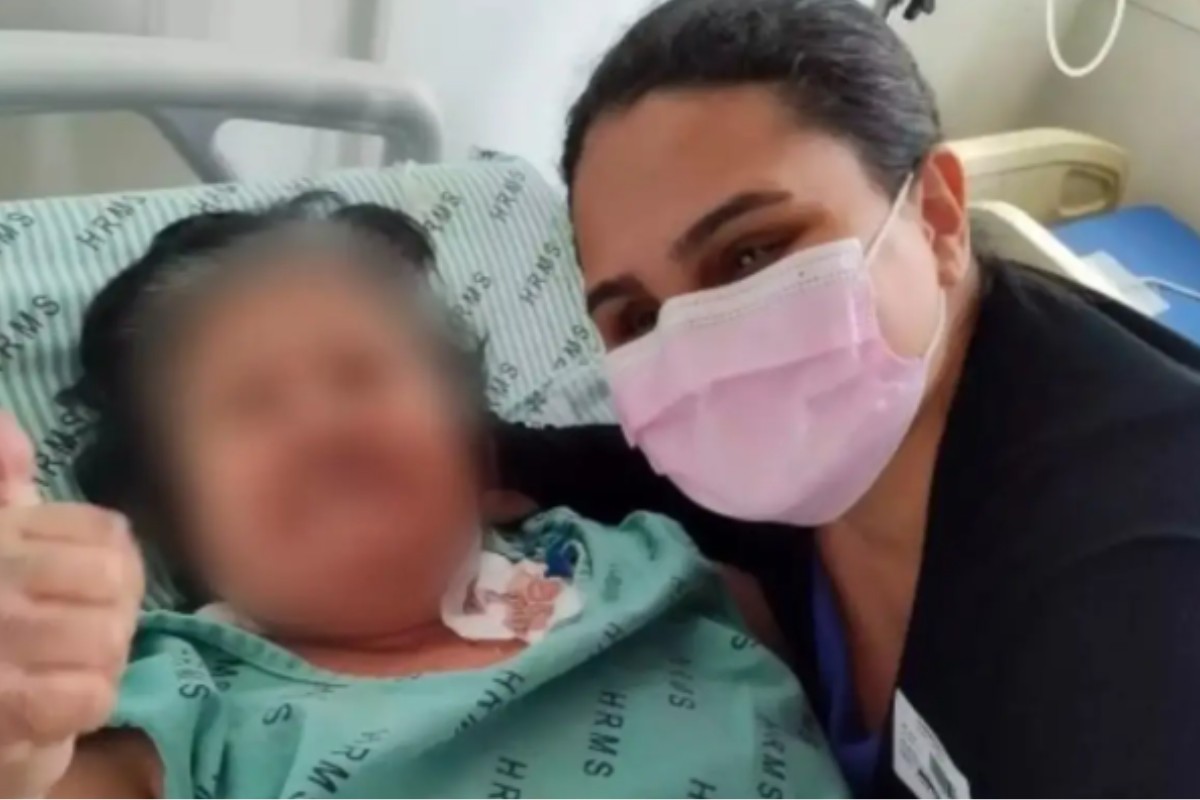
Psychologist Monique Lopes Marques has filed a complaint alleging ableism after being initially barred from accompanying her 78-year-old great-grandmother during a hospitalization at the Regional Hospital of Mato Grosso do Sul (HRMS) in Campo Grande. Marques, who is blind, reported that a reception employee questioned her ability to serve as a companion due to her visual impairment, an interaction that was captured on video. Her great-grandmother was in serious condition with cardiac and renal issues, experiencing significant emotional distress and fear of being alone. Marques, a psychologist herself, emphasized the detrimental impact of isolation on elderly patients. Initially, after speaking with the head nurse, she received verbal permission to stay with her relative. However, upon returning the next day to formalize the process, she was reportedly prevented from entering again. During this second encounter, the receptionist allegedly communicated Marques's visual impairment to the nursing team, questioning her suitability as a companion. Following these incidents, Marques engaged with the hospital's ombudsman and social services. She eventually obtained provisional authorization and, after explaining the supportive role of a companion, received definitive permission. Marques stated her presence positively impacted her great-grandmother's emotional state, noting improvements in her demeanor and willingness to eat. Despite the official authorization, Marques continued to face obstacles, including repeated scrutiny from the same receptionist and temporary denial of access for her husband. Her great-grandmother passed away earlier this week. Her legal team plans to seek accountability for the individuals involved and the institution, pursuing damages for moral harm, an investigation into the staff's conduct, and advocating for mandatory training on inclusive care for people with disabilities. Legal action is also planned against prejudiced comments made on social media.
This incident highlights systemic challenges in accessibility and inclusion within healthcare settings, particularly concerning individuals with disabilities. The psychologist's experience suggests a potential gap between institutional policies on patient support and the practical, empathetic application of those policies by frontline staff. The initial resistance, despite the individual's professional background and clear capacity to provide emotional support, points to ingrained biases that may overlook or underestimate the capabilities of people with visual impairments. While the hospital eventually granted authorization, the repeated obstacles and the need for escalation through various departments indicate a bureaucratic and potentially discriminatory process. Moving forward, healthcare institutions must proactively implement comprehensive training programs that go beyond basic compliance, fostering a culture of genuine understanding and respect for diverse needs. This includes empowering staff to recognize and challenge their own implicit biases, ensuring that all patients and their chosen companions are treated with dignity and afforded their rights without undue impediments, especially during vulnerable times.
AI-generated to prompt reflection — not editorial opinion, not advice, not a statement of fact. How this works.