Vitézy Dávid Unveils Railway Overhaul Plan, Promises Metro Line 3 Extension
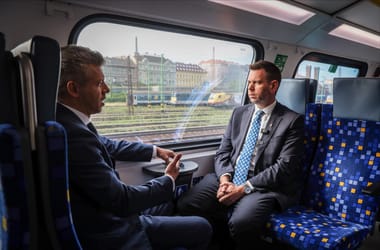
David Vitézy, alongside Péter Magyar, has presented the work plan for the next decade of the Baross Gábor Program, a 15-year railway development initiative. Vitézy, who previously led Budapest Public Transport Company (BKK) and served as CEO of Budapest Airport, outlined his vision for modernizing Hungary's railway network. A key promise within this plan is the extension of Metro Line 3, a significant public transportation project for the capital city. The Baross Gábor Program aims to address long-standing issues and implement strategic improvements across the national rail infrastructure. The presentation detailed specific projects and timelines intended to enhance efficiency and capacity. Vitézy's proposals are expected to shape the future of public transport and logistics in Hungary over the coming years. The plan emphasizes a comprehensive approach to railway development, covering both passenger and freight services. This initiative signifies a renewed focus on investing in and upgrading the country's critical transportation arteries.
The presented railway development plan, spanning the next decade under the Baross Gábor Program, signifies a strategic governmental focus on infrastructure modernization. The inclusion of Metro Line 3 extension addresses urban transit needs, potentially improving connectivity and reducing congestion. Such large-scale projects often involve complex financing, regulatory hurdles, and long implementation timelines, requiring robust project management and transparent oversight. The success of these initiatives will likely depend on sustained political will, effective resource allocation, and the ability to integrate new technologies to meet future mobility demands in an evolving transportation landscape.
AI-generated to prompt reflection — not editorial opinion, not advice, not a statement of fact. How this works.