Vivo 5G Network Faces Widespread Outages, Complaints Surge Over 100-Fold
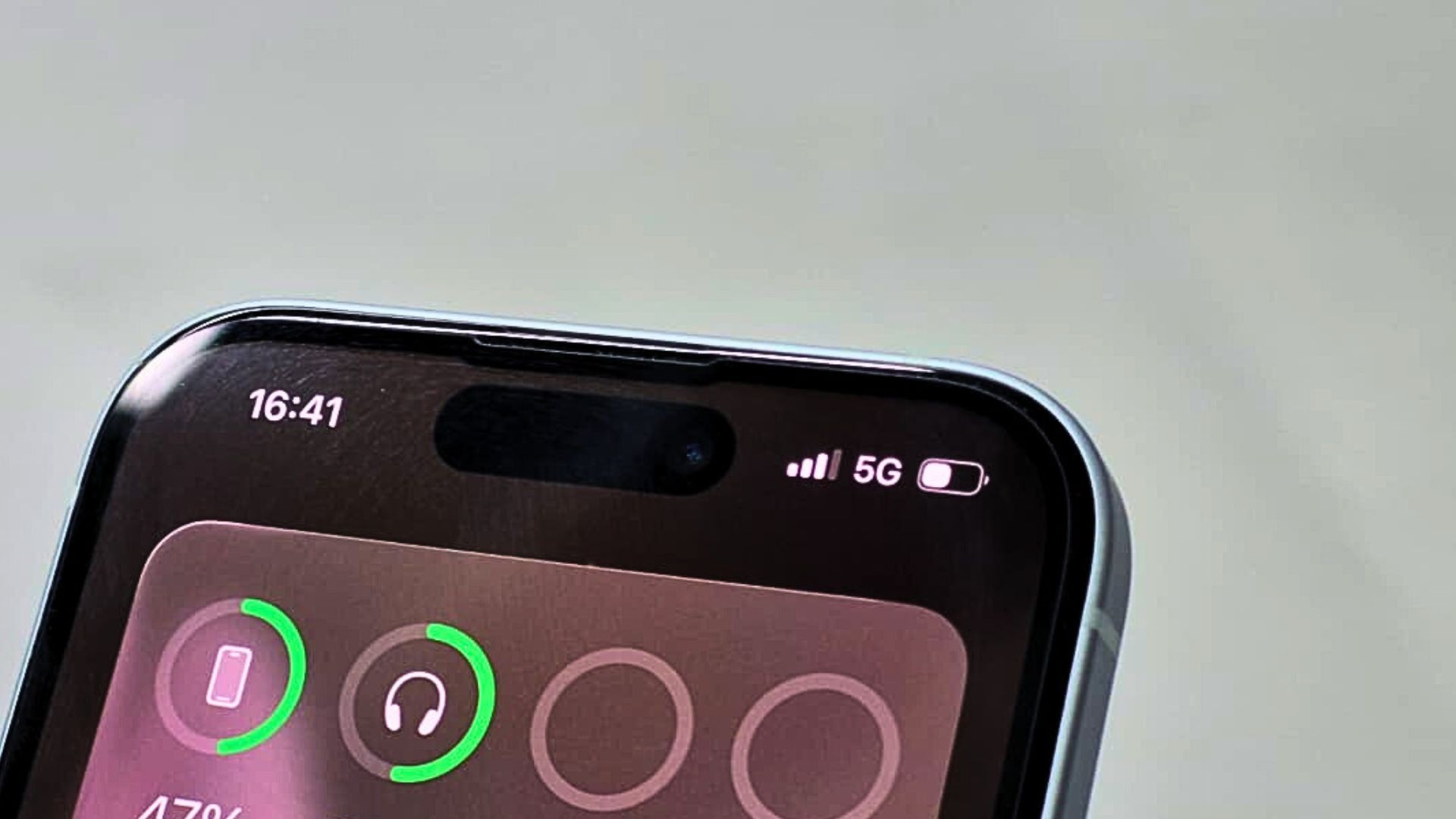
Vivo mobile users reported significant connection issues with their 5G network on Saturday, March 18th. The number of complaints on the Downdetector platform, which monitors online service failures, saw a dramatic increase throughout the day. Starting with just six complaints at 7 AM, the figure surpassed 650 by 10:30 AM and continued to grow rapidly. The primary complaint cited was the absence or instability of the 5G mobile data signal. Users from various cities in São Paulo state reported losing internet access or experiencing difficulties with online applications and services. Some users noted that while the 5G signal was down, their internet would briefly return during phone calls, though this was not a permanent solution. One user in Guarulhos, SP, reported being without a mobile network since 7:30 AM, even after restarting their device. Despite these widespread issues, some Vivo customers reported no connection problems. Downdetector did not indicate similar complaint volumes for other major telecom operators. As of the report's last update, neither Vivo nor the National Telecommunications Agency (Anatel) had provided a statement regarding the cause of the instability, affected regions, or an estimated time for service normalization.
The sudden and severe disruption of Vivo's 5G service, evidenced by a more than 100-fold increase in user complaints within hours, highlights the critical reliance on robust mobile infrastructure. Such widespread outages can stem from various factors, including network overload, software glitches, or infrastructure maintenance issues. From a systems perspective, the incident underscores the need for enhanced network resilience and redundancy to mitigate the impact of single points of failure. Future network architectures must prioritize dynamic load balancing and rapid fault detection to ensure service continuity, especially as 5G adoption increases and its integration into critical services deepens. The lack of immediate public response from the operator and regulatory body suggests potential challenges in real-time incident management and communication protocols, areas ripe for technological and procedural improvement.
AI-generated to prompt reflection — not editorial opinion, not advice, not a statement of fact. How this works.