Voepass Airline Had 'Culture of Deviations,' Masking Maintenance Issues, Report Finds
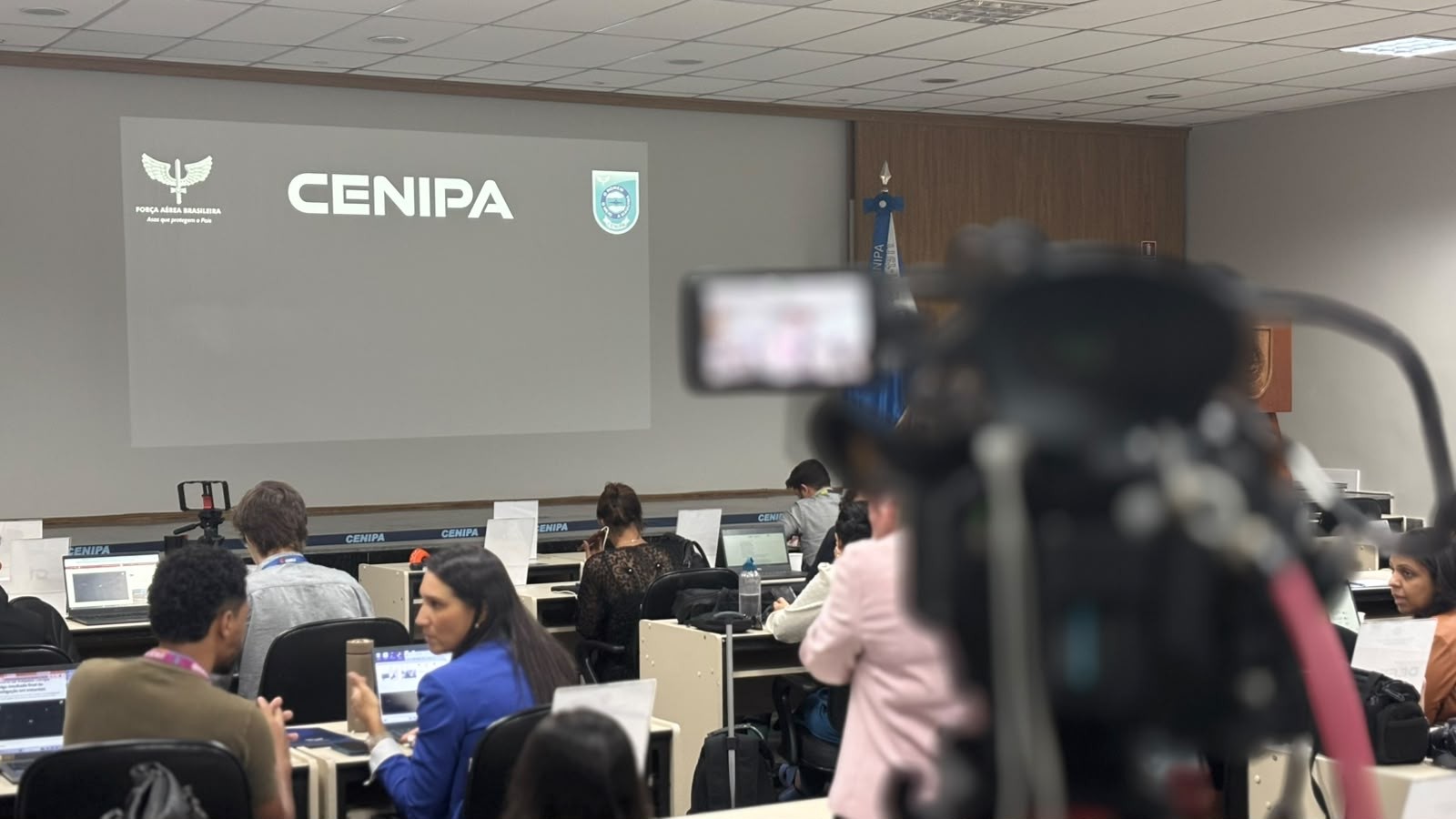
A final report from Brazil's Center for Investigation and Prevention of Aeronautical Accidents (Cenipa) reveals that Voepass airline engaged in a "culture of normalizing deviations," which contributed to the fatal crash of Flight 2283 on August 9, 2024, in Vinhedo, São Paulo, killing all 62 people on board. This culture involved practices such as falsifying maintenance records to extend the operational life of aircraft parts and failing to report aircraft malfunctions in logbooks. Investigators found that mechanics would sometimes replace defective parts with others known to be faulty to reset the clock on temporary repairs, allowing planes to fly. The report also highlighted that pilots would verbally report issues to mechanics instead of documenting them, aiming to prevent aircraft from being grounded. This omission meant critical problems, like a faulty wing de-icing system on the aircraft involved in the crash, went unreported for multiple flights preceding the tragedy. Furthermore, the investigation uncovered inadequate maintenance conditions at secondary bases, including a lack of basic tools and insufficient supervision of mechanics by auxiliaries. Training methods, relying heavily on remote learning and manuals not always understood by technicians, were also deemed insufficient for developing practical skills. The crash, involving an ATR 72-500, is the deadliest in Brazilian aviation since 2007. Voepass, formerly Passaredo Linhas Aéreas, stated it is cooperating with investigations and has supported victims' families.
The Cenipa report details systemic vulnerabilities within Voepass's operational framework, suggesting a disconnect between regulatory compliance and actual safety practices. The "culture of normalizing deviations" points to incentive structures that may have prioritized operational continuity over rigorous adherence to maintenance protocols. This situation, where critical safety information was allegedly omitted or masked, raises questions about the effectiveness of oversight mechanisms and the robustness of internal reporting systems. In the context of an increasingly automated and data-driven aviation sector, such reliance on informal communication and the potential for deliberate misrepresentation of aircraft status represent significant risks. Future aviation safety paradigms will likely demand greater transparency, advanced predictive maintenance capabilities, and potentially independent auditing of maintenance logs to mitigate the impact of human factors and organizational pressures.
AI-generated to prompt reflection — not editorial opinion, not advice, not a statement of fact. How this works.