Voepass Crash: Families to Get Early Access to Final Air Force Report
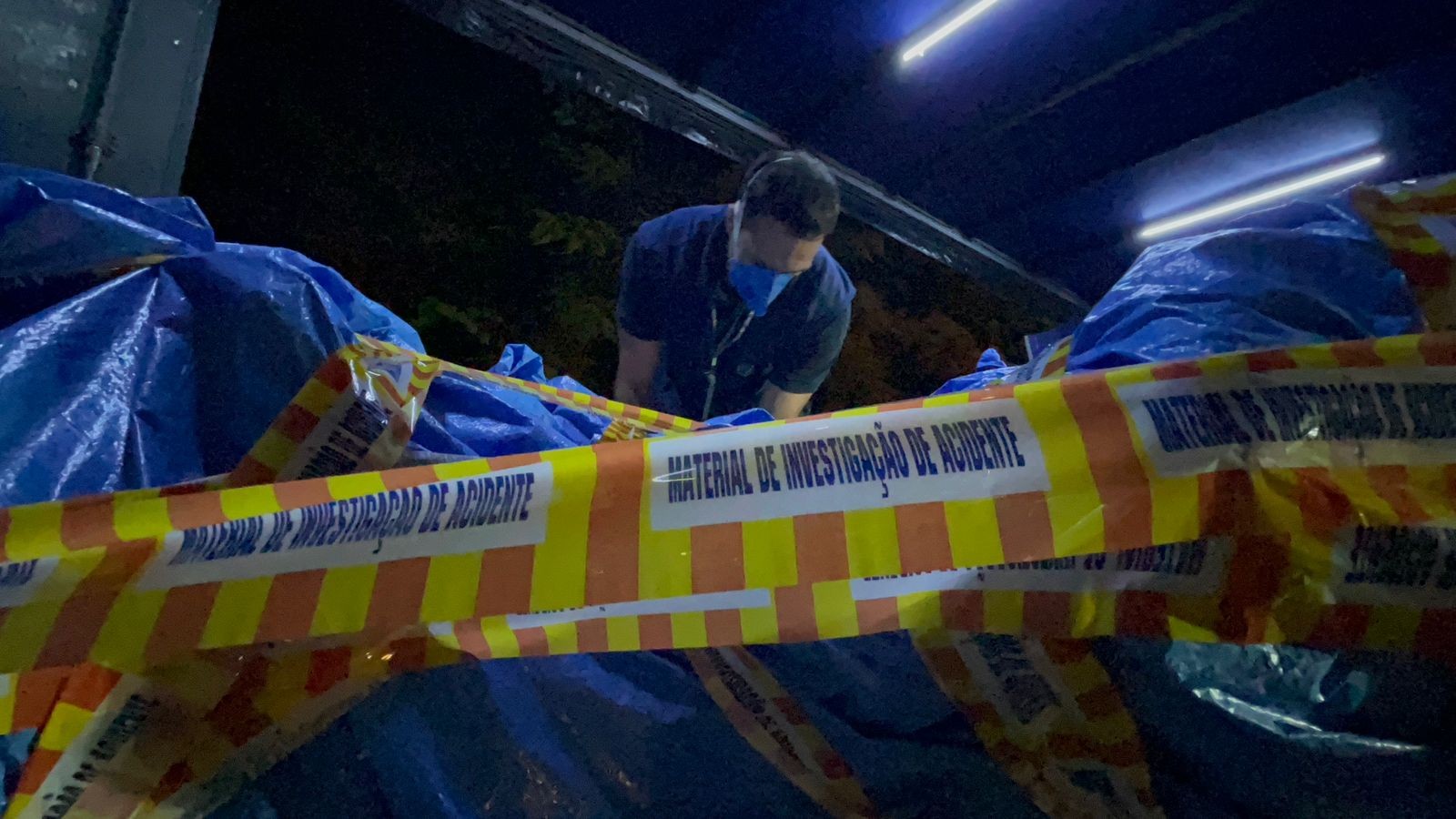
Relatives of the 62 victims of the Voepass Flight 2283 crash will receive the final investigation report from the Brazilian Air Force's Center for Investigation and Prevention of Aeronautical Accidents (Cenipa) on Thursday, November 23rd. This advance access will occur before the official public release of the document. Investigators will present their findings in a private meeting with family representatives in Brasília, followed by a press conference about the accident that occurred on August 9, 2024, in Vinhedo, São Paulo. Adriana Ibba, mother of the youngest victim, 3-year-old Liz Ibba dos Santos, stated that this early access was arranged with investigators after the preliminary report's release in September 2024. She expressed that receiving information about the accident's causes could provide "certain relief" to the families, offering some closure. The Cenipa investigation aims to identify contributing factors to the crash, not to assign civil or criminal liability, though its conclusions may inform other investigations and legal actions. Lawyer Leonardo Amarante, representing approximately 130 families, noted that most individual compensation agreements have been settled, with a collective civil action for moral damages planned next. The Aeronautical report is considered crucial for substantiating such a lawsuit. James Waterhouse, a professor of aeronautical engineering at the University of São Paulo, described Cenipa's decision to inform families first as a common and respectful procedure. The preliminary report, released a month after the crash, indicated that an ice warning system malfunctioned less than two minutes before the aircraft went down, with pilots discussing anti-ice system issues early in the flight. Concurrently, the Federal Police are conducting a parallel criminal investigation to identify potential culprits, and families have reviewed cockpit voice recordings. Voepass stated it will await the final report before making further statements, having previously collaborated with investigations and affirmed its fleet's airworthiness.
The proactive release of the final accident report to victims' families by Cenipa demonstrates a commitment to transparency and familial support, a procedural norm that fosters trust in aviation safety investigations. While Cenipa's mandate focuses on accident prevention through technical analysis, the report's findings will inevitably inform parallel criminal proceedings and civil litigation, highlighting the complex interplay between investigative bodies and the justice system. The airline's stance, awaiting the final report for comment, reflects standard corporate practice in managing liability and public perception. The incident underscores the critical need for robust systemic oversight and adherence to maintenance protocols, particularly concerning environmental factors like icing, to mitigate risks in increasingly complex air travel operations. Future aviation safety frameworks may benefit from further integrating real-time data sharing and predictive analytics to preemptively identify and address emergent risks before they escalate into catastrophic failures.
AI-generated to prompt reflection — not editorial opinion, not advice, not a statement of fact. How this works.