Voepass Crash Report Could Be Historic Turning Point for Airline Safety Culture, Experts Say
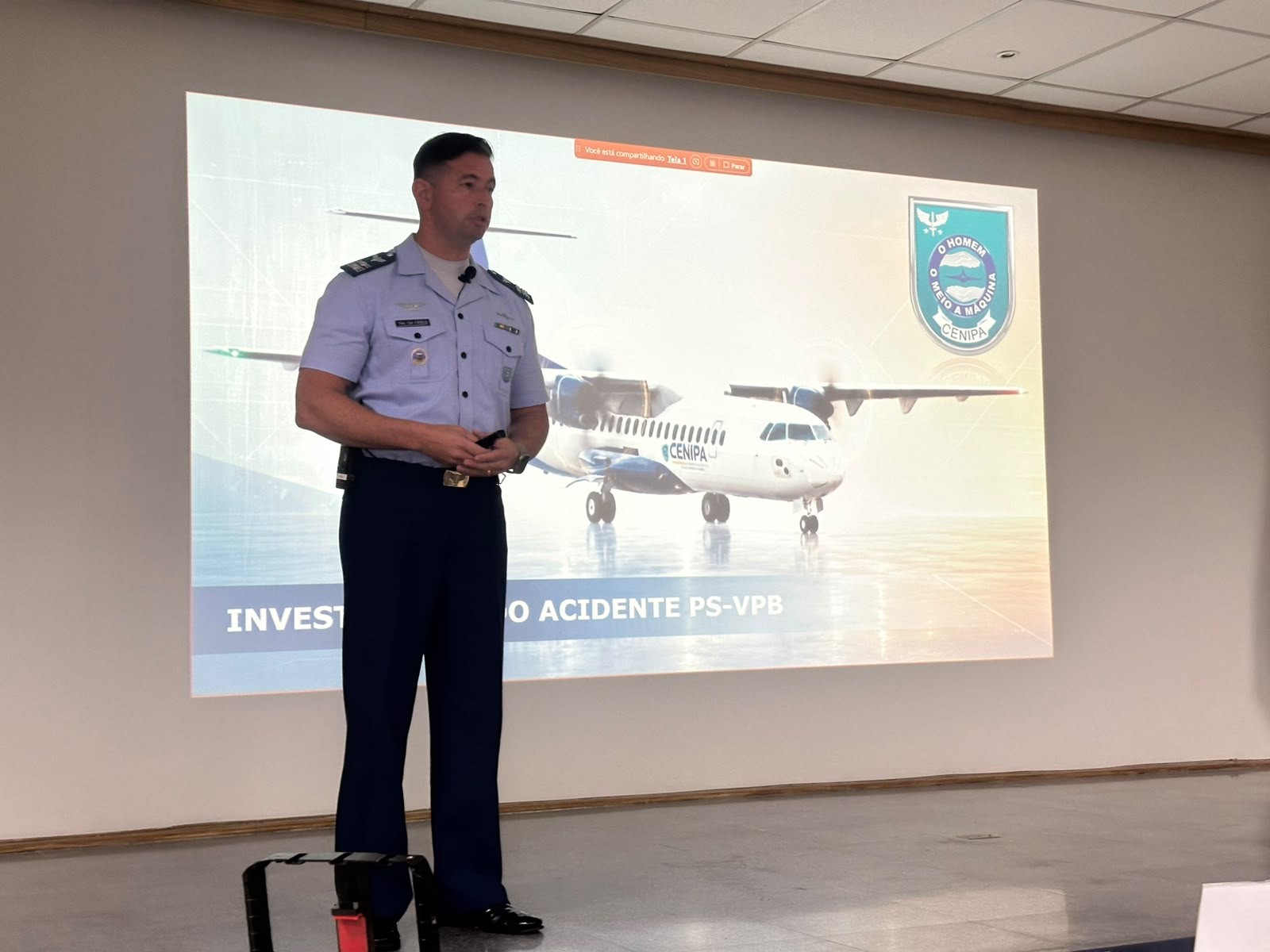
A final report on the Voepass airplane crash in Vinhedo, São Paulo, which killed 62 people on August 9, 2024, may serve as a historical turning point for changing airline company cultures, according to aviation specialists. The Brazilian Air Force's Center for Investigation and Prevention of Aeronautical Accidents (Cenipa) identified a "normalization of deviations" in Voepass's operational conduct. Irregularities included pilots and mechanics failing to report aircraft issues and mechanics' assistants working unsupervised. Maintenance teams were found to be repairing planes with parts from other grounded aircraft or using faulty components. The National Civil Aviation Agency (Anac) was also cited as a contributing factor due to its alleged failure in overseeing this organizational culture. Voepass acknowledged the accident as the most severe in its history and stated its cooperation with the investigation. Anac emphasized that Cenipa's findings are preventive and aim to improve aviation safety, with recommendations to be analyzed within four months. Experts believe the report's detailed exposure of Voepass's organizational culture and Anac's oversight failures could lead to stricter inspections and improved operational quality across the industry. Some specialists suggest that financial difficulties within airlines, coupled with insufficient investment in Anac's oversight capabilities, may have contributed to a relaxed adherence to regulations. This report is expected to raise the bar for safety standards, potentially leading to the exit of airlines unable to meet new requirements, prioritizing operational integrity over mere survival. The report's findings were not surprising to aviation insiders, who noted a pattern of generalized negligence, a culture of rule-breaking, and issues with Anac's oversight. It also highlighted specific failures in respecting speed margins and interpreting flight alerts, raising questions about similar potential problems in other airlines.
The Cenipa report on the Voepass crash meticulously details systemic failures, moving beyond individual error to examine organizational culture and regulatory oversight. The "normalization of deviations" identified at Voepass suggests a breakdown in risk management where established procedures were circumvented, potentially driven by economic pressures or a lack of robust internal controls. The critique of Anac's oversight highlights a critical tension in aviation regulation: balancing operational efficiency with stringent safety mandates. The report's potential to become a "historical mark" hinges on Anac's response to its recommendations, which could either reinforce a culture of compliance through enhanced enforcement or reveal limitations in the agency's capacity to adapt to evolving industry challenges. Looking ahead, the aviation sector must consider how to foster a proactive safety culture that anticipates and mitigates risks, rather than merely reacting to tragedies, particularly as technological advancements and economic fluctuations continue to shape operational landscapes.
AI-generated to prompt reflection — not editorial opinion, not advice, not a statement of fact. How this works.