Voepass Crew Ignored Warning, Pilots Often Dismiss It: Brazilian Aviation Safety Agency
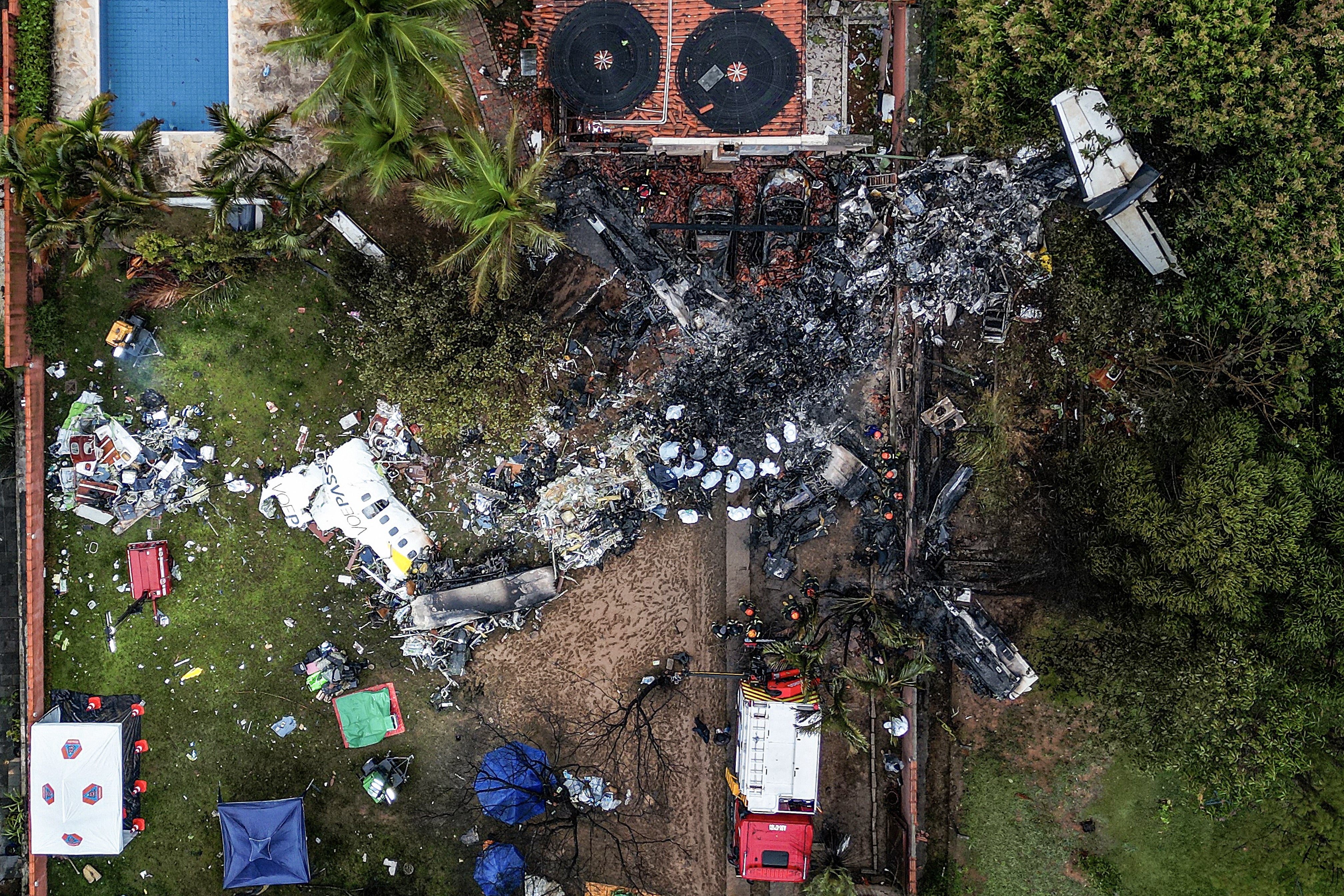
A critical speed-loss alert on the Voepass flight that crashed in Vinhedo, São Paulo, was frequently disregarded by Brazilian pilots flying the ATR turboprop model, according to the final report from the Aeronautical Accidents Investigation and Prevention Center (Cenipa). The report, presented by Lieutenant Colonel Paulo Mendes Fróes, highlighted that this specific alert, known as 'Cruise Speed Low,' is often underestimated by pilots, despite its crucial role in preventing stalls due to icing and reduced lift. This accident, which occurred on August 9, 2024, resulted in the deaths of all 62 people on board and is the deadliest in Brazil since 2007. Cenipa's investigation involved interviews with ATR pilots, revealing a pattern of downplaying the alert because it primarily requires monitoring rather than immediate, definitive action. The manufacturer has since implemented an updated speed monitoring system to mitigate the issue of overly frequent alerts potentially leading to complacency. The investigation meticulously analyzed flight data recorders, cockpit voice recorders, weather conditions, and conducted simulator tests, among other extensive procedures. While Cenipa's report identifies contributing factors and issues safety recommendations, it does not assign civil or criminal liability. Concurrently, the Federal Police are conducting a separate criminal inquiry, with findings potentially leading to indictments. Families of the victims are also pursuing civil lawsuits.
The Cenipa report's findings suggest a systemic issue within Brazilian aviation concerning the handling of critical flight alerts, extending beyond a single crew's actions. The 'Cruise Speed Low' warning's perceived lack of 'effective action' requirements, leading to its frequent dismissal by pilots, points to a potential gap in training protocols or system design philosophy. While the manufacturer's update aims to address alert fatigue, the underlying human factor of pilot perception and adherence to safety procedures warrants continued scrutiny. Future aviation safety frameworks might benefit from integrating more adaptive alert systems that dynamically assess pilot response and environmental conditions, ensuring critical warnings remain salient and actionable, thereby fostering a more robust safety culture that transcends mere procedural compliance.
AI-generated to prompt reflection — not editorial opinion, not advice, not a statement of fact. How this works.