Voepass Flight 2283 Crash: Final Report Expected to Detail Contributing Factors
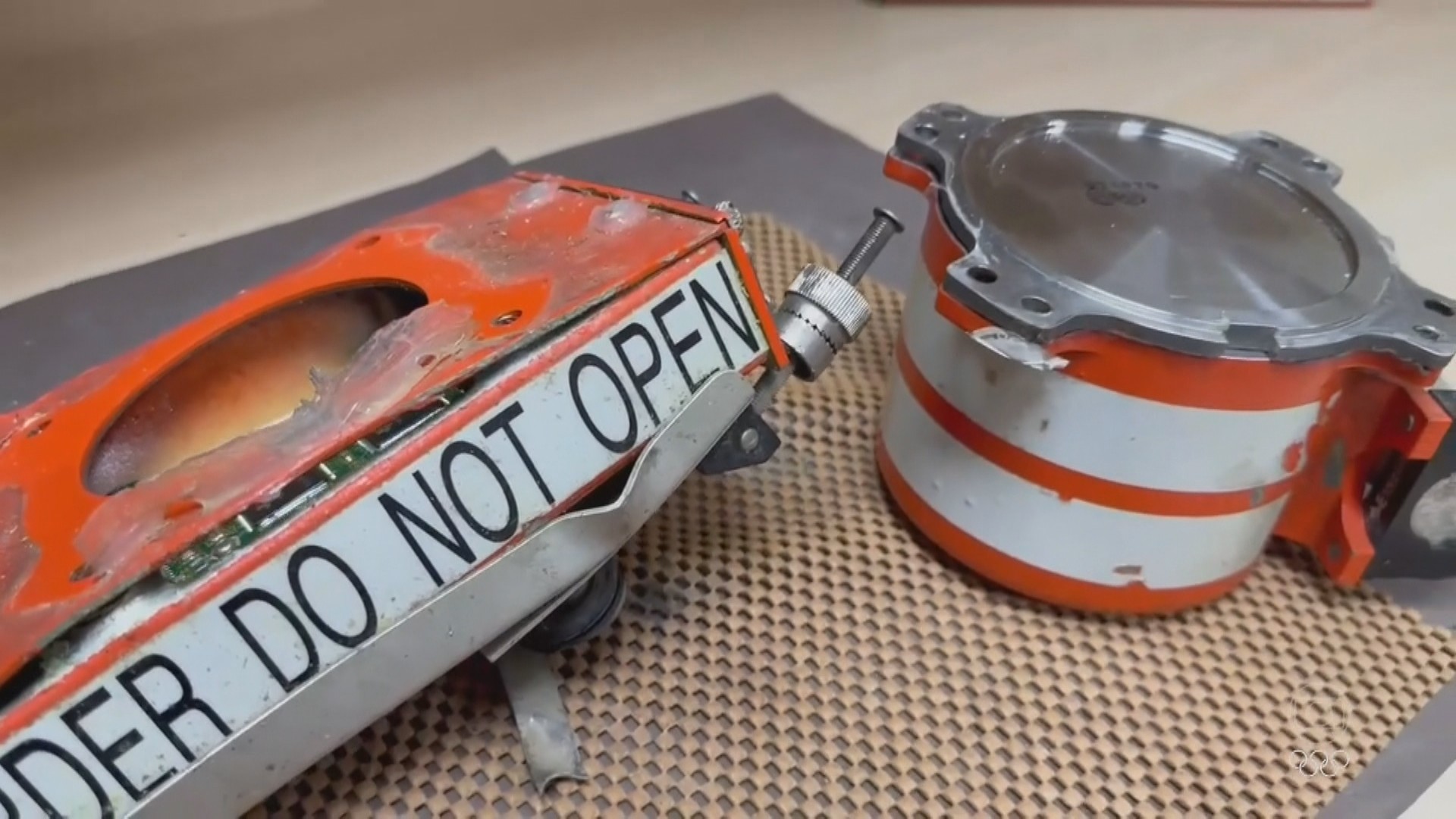
Nearly two years after the deadliest Brazilian aviation accident since 2007, the Aeronautical Accident Investigation and Prevention Center (Cenipa) is set to release its final report on the crash of Voepass Flight 2283. The incident, which occurred in Vinhedo, São Paulo, resulted in the deaths of 62 people. The report is highly anticipated as it will provide Cenipa's official conclusion on the factors that led to the tragedy and is expected to offer recommendations to prevent future accidents. The investigation involved extensive analysis of the aircraft's black boxes, examination of engines and maintenance records, meteorological studies, simulator tests, an experimental flight with another ATR 72-500, and interviews with aviation professionals. A key focus of the investigation has been the role of ice accumulation, with evidence suggesting the aircraft flew for an extended period in severe icing conditions, a scenario considered an emergency by the manufacturer. Data indicates the de-icing system was activated three times during the flight, but experts suggest it may not have functioned correctly, a critical element potentially contributing to the crash. The report will also address whether the pilots communicated de-icing system issues during the flight and if they adhered to protocols for such situations. Additionally, it will examine potential oversight failures by the National Civil Aviation Agency (Anac) and explore if the accident necessitates design improvements for the ATR 72-500 model, particularly concerning its de-icing system. The investigation's scope is purely preventive, aiming to identify contributing factors without assigning civil or criminal liability, which is handled separately by the Federal Police.
The impending release of Cenipa's final report on the Voepass Flight 2283 crash offers a critical opportunity to scrutinize systemic safety protocols within commercial aviation. The investigation's focus on ice accumulation, de-icing system functionality, crew communication, and regulatory oversight highlights the complex interplay of technical, human, and institutional factors in aviation accidents. Moving forward, the aviation industry must consider how to enhance predictive weather modeling for icing conditions and ensure the reliability of critical safety systems like de-icing, especially as climate patterns evolve. Furthermore, the report's findings on Anac's oversight will be crucial for understanding potential gaps in regulatory enforcement and ensuring that safety standards are not just met but proactively enforced. The ultimate goal should be to leverage these findings to foster a culture of continuous improvement, where lessons learned from tragedies like this are systematically integrated to elevate air travel safety for the next decade and beyond.
AI-generated to prompt reflection — not editorial opinion, not advice, not a statement of fact. How this works.