Voepass Pilot Urged Not to Report Aircraft Issue in Leaked Audio
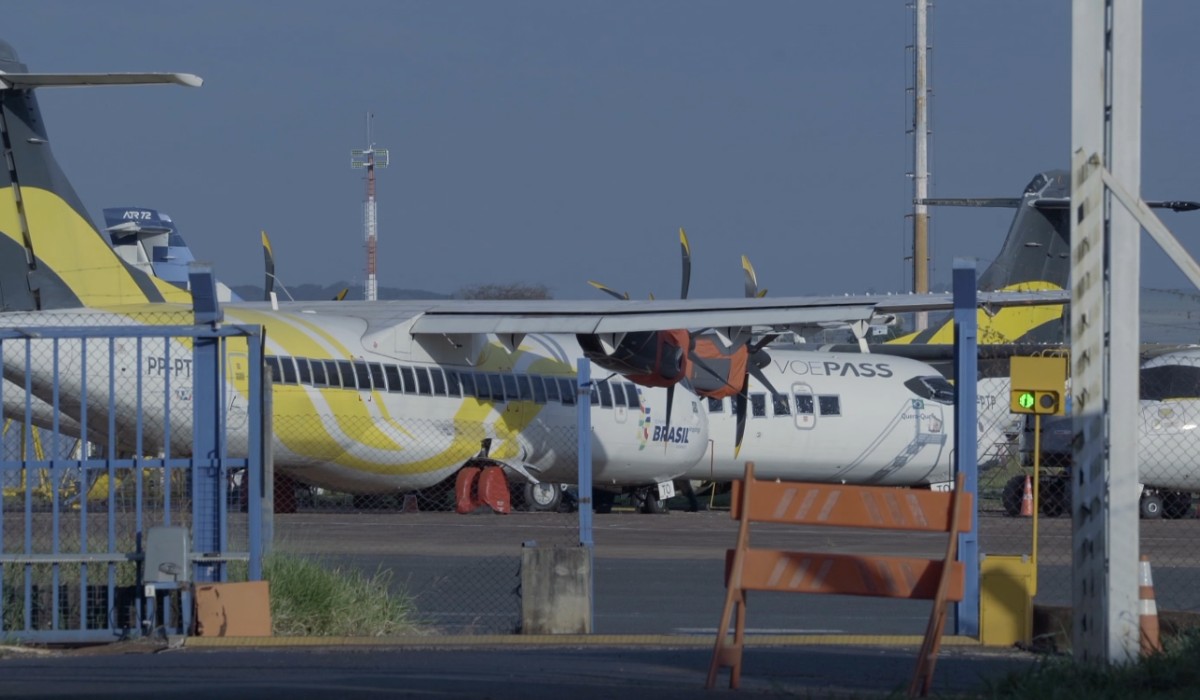
An audio recording obtained by EPTV, an affiliate of TV Globo, reveals a Voepass maintenance employee instructing a pilot not to log a detected aircraft problem. The employee suggested the pilot contact a specific individual who would then take over the aircraft, implying this would prevent the issue from being formally reported and thus avoid the plane being grounded. This recording supports the findings of Cenipa, the Center for Investigation and Prevention of Aeronautical Accidents, which concluded that Voepass exhibited a 'culture of normalization of deviations' in its operational practices. This conclusion was presented by Lieutenant Colonel Paulo Mendes Fróes, a Cenipa investigator, during the final report briefing on the company's plane crash in Vinhedo, São Paulo, which occurred in August 2024 and resulted in 62 fatalities. The anonymous pilot, who received the instruction, stated that this occurred months after the Vinhedo tragedy and that such requests were common, especially for issues arising after maintenance. He explained that the company was highly resistant to grounding aircraft and often pressured staff to avoid formal reporting of problems, though he personally always documented critical issues. The pilot also noted that employees who insisted on reporting malfunctions could face resistance within the company. The leaked audio highlights a concerning practice that aligns with Cenipa's report of incomplete failure records and communication difficulties regarding aircraft maintenance within Voepass. The accident, involving an ATR 72-500, occurred on August 9, 2024, while en route from Cascavel, Paraná, to Guarulhos International Airport in São Paulo, crashing into a residential area in Vinhedo and claiming the lives of all 62 individuals on board. Voepass, in a statement, claimed it had not heard the audio and maintained it has a formal system for reporting equipment failures that its teams are trained to follow strictly. The airline emphasized its 30-year history of safety procedures, international standards, and its IOSA certification since 2012, asserting that the flight crew was experienced and properly certified.
The leaked audio recording and the subsequent Cenipa report suggest a systemic issue within Voepass concerning the reporting of aircraft maintenance problems. The alleged pressure to avoid logging minor issues, framed as a means to prevent aircraft downtime, points to a potential conflict between operational efficiency and safety protocols. This dynamic, where financial or operational pressures might inadvertently incentivize the underreporting of safety-critical information, warrants careful examination. Such practices, if widespread, could foster an environment where latent risks are not adequately identified or mitigated, potentially increasing the probability of future incidents. The airline's response, stating ignorance of the audio and reaffirming its formal reporting systems, highlights the challenge in verifying internal compliance and the importance of independent oversight mechanisms to ensure safety standards are consistently upheld across all levels of an organization, especially in the face of potential economic incentives.
AI-generated to prompt reflection — not editorial opinion, not advice, not a statement of fact. How this works.