Voepass Plane Crash: Father of Victim Seeks Answers from Aviation Authority
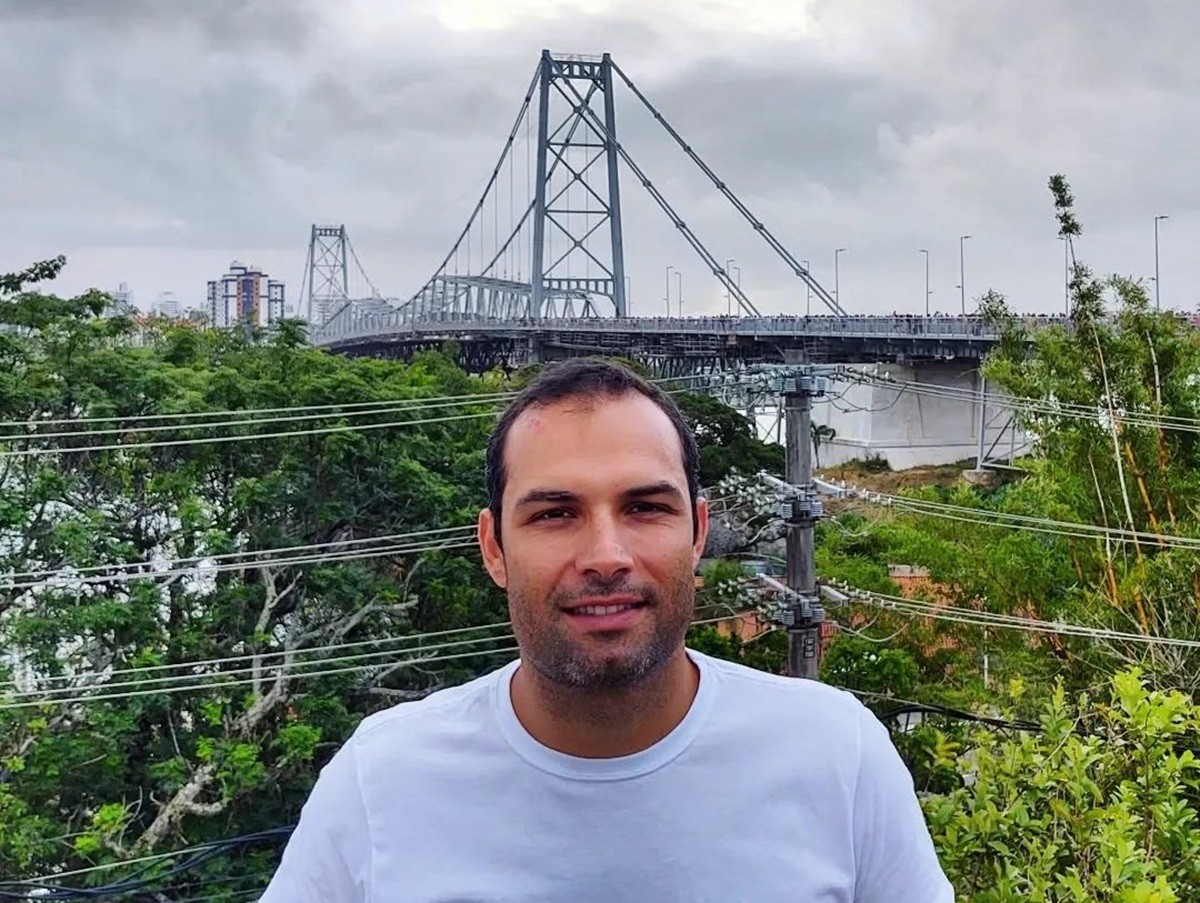
The father of Paulo Henrique Silva Alves, an engineer from Florianópolis who was among the 62 victims of the Voepass flight 2283 crash in 2024, attended a meeting where the Aeronautical Accidents Investigation and Prevention Center (Cenipa) released its report. He described the experience of reliving the tragedy as challenging, stating, "It was difficult to relive those moments of horror our son went through." While acknowledging that a report won't alleviate his pain, he expressed a strong desire for answers from the National Civil Aviation Agency (ANAC). The Cenipa report made recommendations to entities involved, including the aircraft manufacturer ATR and ANAC, and detailed conclusions about the accident. The victim's father felt the report was conclusive and did not shy away from ANAC's responsibility, though he believed questions from a former Voepass pilot were not satisfactorily addressed. The flight, en route from Cascavel, Paraná, to Guarulhos, São Paulo, crashed into a condominium in Vinhedo, São Paulo, on August 9, 2024, killing all 58 passengers and four crew members. Paulo Henrique Silva Alves, 40, worked at CREA-SC, was married for 15 years, enjoyed surfing, and practiced jiu-jitsu. The report identified severe icing conditions, a failure in the de-icing system, and pilots disregarding critical warnings due to distractions from personal conversations. It also cited errors in recovery attempts, such as the co-pilot pulling the control stick instead of pushing it during a stall, and maintenance issues where a de-icing system failure was not logged. The investigation highlighted a culture of 'normalization of deviations' at Voepass, where issues were not reported to ensure flights could proceed, and insufficient risk management by ANAC.
The Cenipa report on the Voepass flight 2283 crash identifies a confluence of systemic failures, including operational errors by the flight crew, technical malfunctions with the aircraft's de-icing system, and regulatory shortcomings by ANAC. The investigation points to a breakdown in safety culture, where critical warnings were disregarded and maintenance issues were not properly documented, suggesting that the pursuit of operational continuity may have overridden safety protocols. The report's findings on ANAC's insufficient risk management framework indicate a need for enhanced oversight and more robust enforcement mechanisms to prevent similar tragedies. Moving forward, aviation authorities and operators must critically examine incentive structures that might inadvertently encourage the normalization of deviations, prioritizing transparent reporting and proactive risk mitigation over short-term operational efficiency. Future aviation safety paradigms will likely need to integrate advanced AI-driven predictive maintenance and real-time crew performance monitoring to address the complex interplay of human factors, technological reliability, and regulatory oversight.
AI-generated to prompt reflection — not editorial opinion, not advice, not a statement of fact. How this works.