Voepass Plane Crash: Final Investigation Report Released, Citing 62 Fatalities
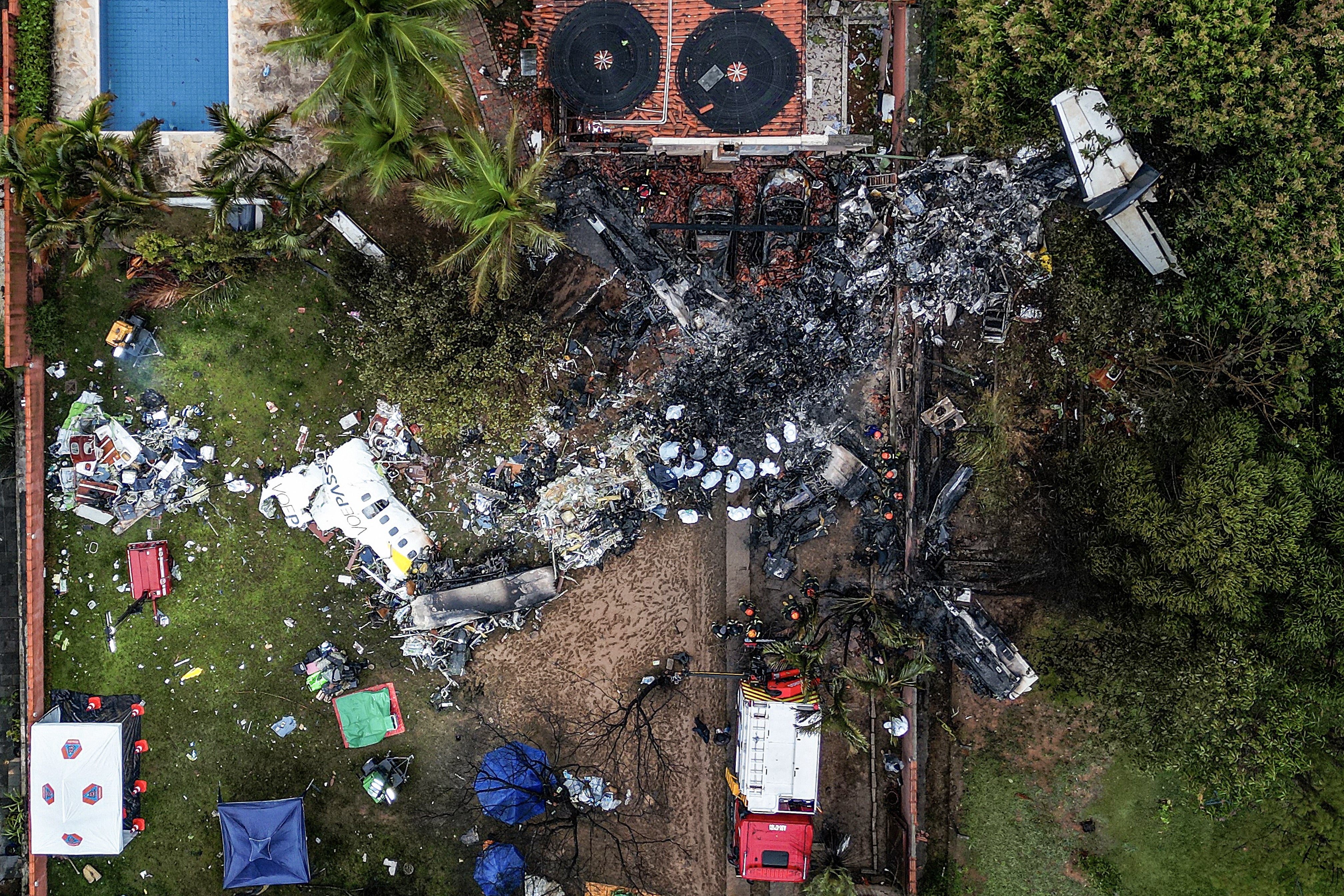
The Brazilian Center for Research and Prevention of Aeronautical Accidents (Cenipa) has released its final investigation report into the Voepass plane crash that occurred in Vinhedo, São Paulo, on August 9, 2024. The accident tragically claimed the lives of all 62 people on board, including 58 passengers and four crew members. The ATR 72-500 aircraft was en route from Cascavel, Paraná, to Guarulhos International Airport in São Paulo when it crashed into a residential backyard. This incident marks the most severe aviation accident in Brazil since the TAM flight disaster in 2007. Prior to the public release, Cenipa presented its findings to the victims' families in a private briefing. A press conference was held in Brasília, with live coverage beginning at 4:40 PM local time. The report details the technical investigation, which involved extensive forensic analysis, including the examination of the aircraft's two black boxes, reconstruction of the flight path, and analysis of engine systems, de-icing, and stall protection. Meteorological conditions, pilot interviews, and maintenance records were also scrutinized. The investigation included a review of over 15,000 flights from the same airline fleet, simulator tests, and an experimental flight with a similar aircraft. International bodies, including France's BEA and Canada's TSB, reviewed the report due to their involvement in the aircraft's design. Cenipa emphasizes that its investigation is preventive, aiming to identify contributing factors and issue safety recommendations, not to assign civil or criminal liability. Concurrently, the Federal Police are conducting a separate criminal inquiry, with their findings potentially informing future indictments. Families of the victims are also planning a collective civil lawsuit for damages, in addition to ongoing individual compensation claims, seeking accountability from any parties deemed responsible for the tragedy.
The release of Cenipa's final report on the Voepass crash signifies a critical juncture in understanding the systemic factors contributing to aviation accidents. While the investigation focuses on technical causes and preventive measures, it's crucial to analyze the broader incentive structures within the aviation industry. This includes examining how regulatory oversight, airline maintenance protocols, and pilot training standards interact under commercial pressures. The report's emphasis on identifying contributing factors, rather than assigning blame, aligns with a proactive safety culture. However, the parallel criminal investigation by the Federal Police suggests potential legal ramifications, highlighting the complex interplay between safety investigations and the pursuit of justice. Moving forward, the aviation sector must continuously adapt to evolving technological advancements and operational demands, ensuring that safety remains paramount and that lessons learned from such tragic events are rigorously implemented to prevent future occurrences.
AI-generated to prompt reflection — not editorial opinion, not advice, not a statement of fact. How this works.