Voepass Plane Crash: Final Report Released on 2024 Vinhedo Tragedy Killing 62
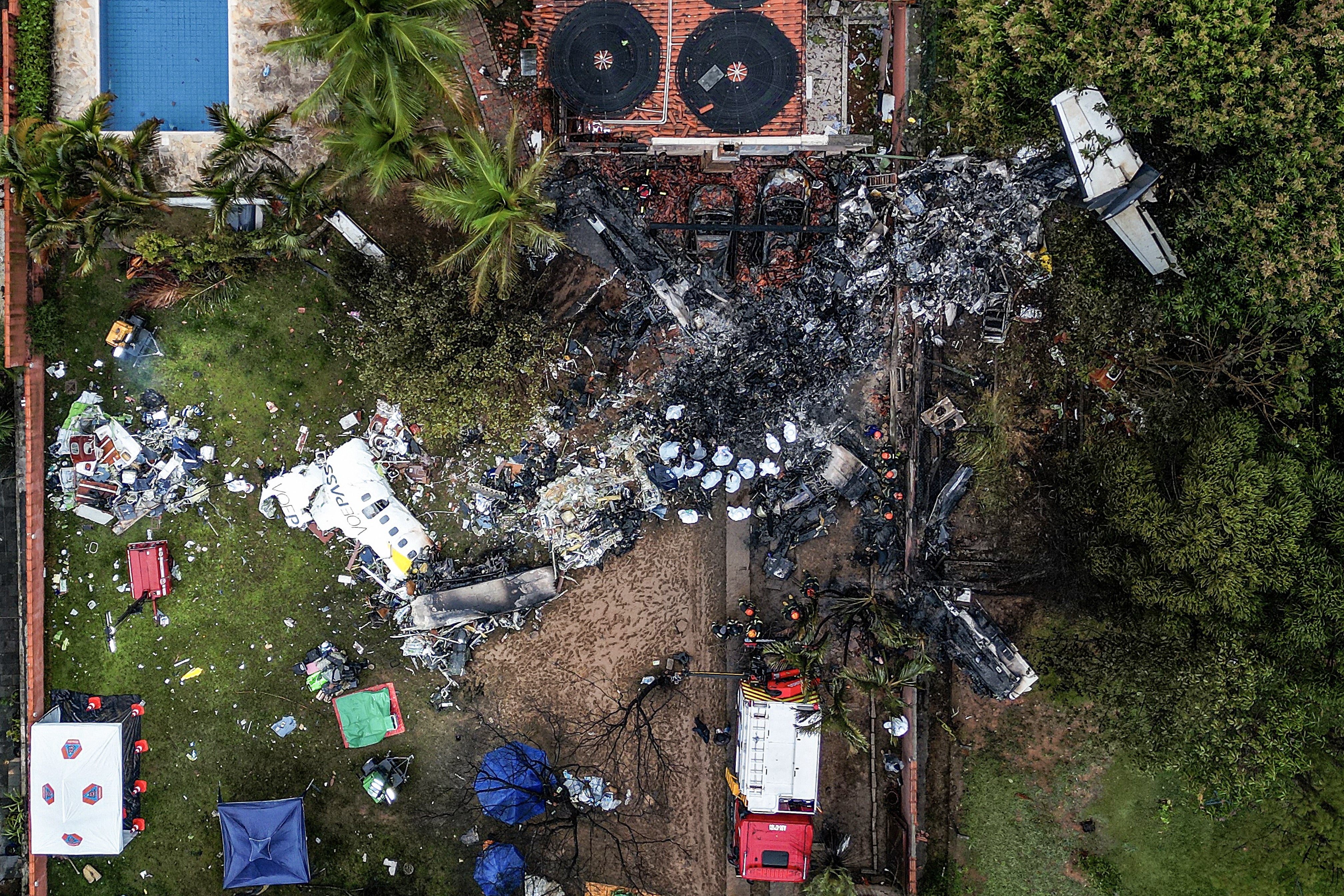
A final report has been released by Brazil's Center for Investigation and Prevention of Aeronautical Accidents (Cenipa) detailing the crash of Voepass flight 2283 on August 9, 2024, in Vinhedo, São Paulo. The flight, en route from Cascavel, Paraná, to Guarulhos, São Paulo, tragically claimed the lives of all 62 individuals on board, comprising 58 passengers and four crew members. This incident marked the most severe air disaster in Brazil since the 2007 TAM Airlines crash. The investigation, conducted by the Brazilian Air Force (FAB), aimed to identify contributing factors and recommend safety improvements.
Preliminary findings from a month after the crash indicated the aircraft encountered severe icing conditions, with the crew reporting potential issues with the de-icing system. The system was reportedly activated and deactivated multiple times, though the report did not definitively state whether this was pilot-induced or due to another cause. Concurrently, the Federal Police opened a criminal inquiry, separate from Cenipa's technical investigation, to determine potential criminal liability.
In the aftermath, the National Civil Aviation Agency (Anac) suspended Voepass's operations in March 2025 and subsequently revoked its Air Operator Certificate in June 2025, preventing commercial flights. Exclusive reports revealed claims from a former Voepass employee alleging a pilot had reported de-icing system failures hours before the accident on a prior flight, but this was not logged. Transcripts of cockpit voice recordings were shared with victims' families in June 2026. The final Cenipa report involved extensive analysis, including black box data, flight reconstruction, system examinations, meteorological data, interviews, fleet-wide studies, and simulator tests. International bodies from France and Canada also reviewed the report. The Federal Police expect to conclude their criminal investigation by August, potentially leading to indictments.
The Voepass flight 2283 accident underscores the critical importance of robust maintenance protocols and transparent reporting within the aviation industry. The investigation's focus on icing conditions and de-icing system functionality highlights the inherent risks associated with operating in challenging weather environments and the necessity for advanced, reliable anti-icing technologies. The parallel criminal investigation by the Federal Police suggests a potential divergence between technical safety findings and legal accountability, emphasizing the distinct roles of investigative bodies. Moving forward, the aviation sector must continually assess and upgrade its systems and training to mitigate risks, particularly as climate patterns evolve and air traffic density increases, ensuring that lessons learned from such tragedies translate into systemic safety enhancements and prevent future loss of life.
AI-generated to prompt reflection — not editorial opinion, not advice, not a statement of fact. How this works.