Voepass Plane Crash Investigation Nears Completion, Awaiting International Review
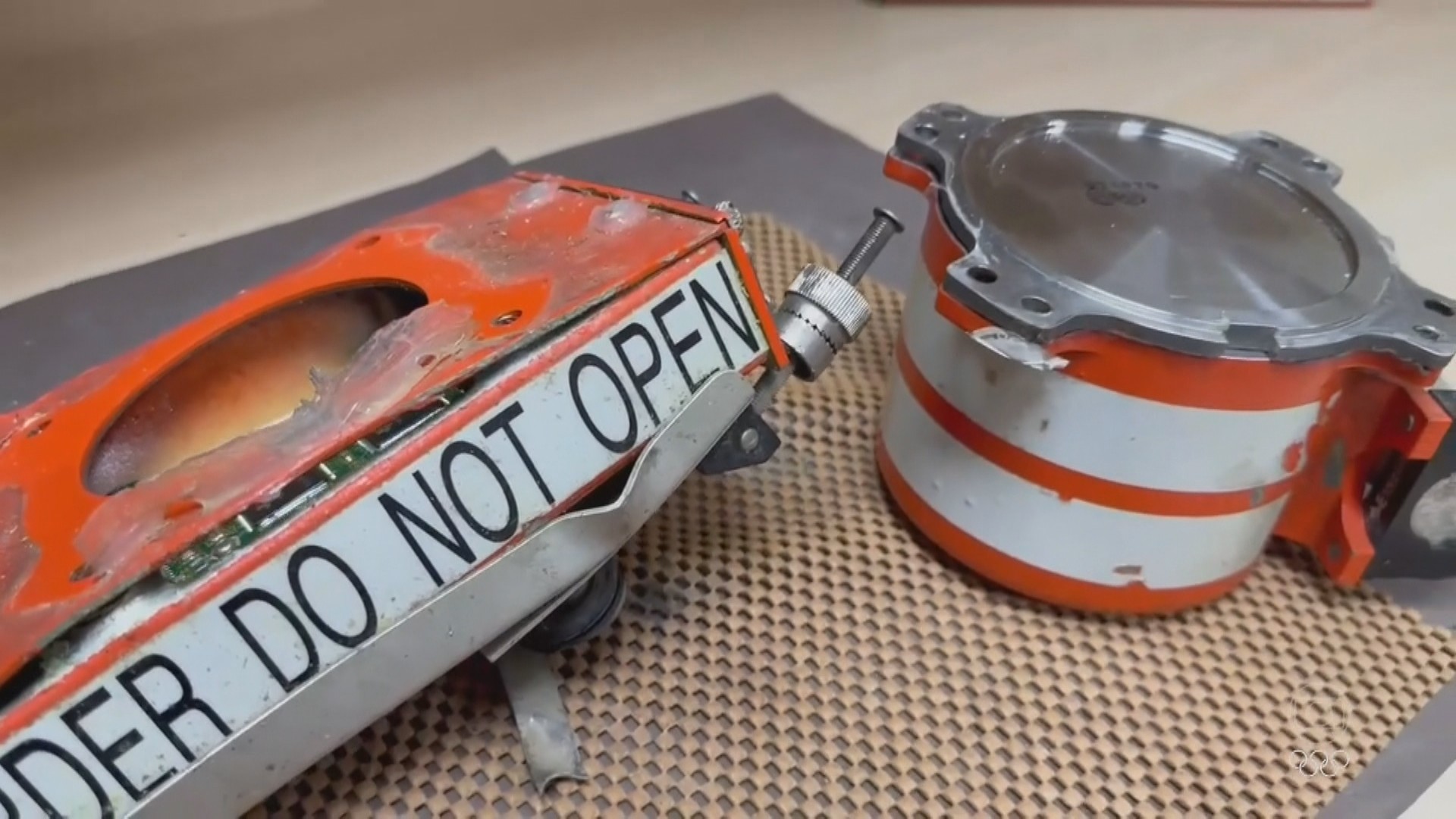
The investigation into the Voepass plane crash that killed 62 people in Vinhedo, São Paulo, in August 2024 has entered its final phase. The Brazilian Air Force's Center for Investigation and Prevention of Aeronautical Accidents (Cenipa) announced that the definitive report is currently undergoing review by authorities in France and Canada, a standard international protocol for such investigations. Approximately 95% of the inquiry is complete, with no set deadline for the final report's publication. The French Bureau d'Enquêtes et d'Analyses (BEA) is reviewing aspects related to the ATR 72-500's design and manufacturing, while Canada's Transportation Safety Board (TSB) is examining the engine components. Cenipa has conducted extensive forensic analyses, including CVR and FDR data, flight reconstruction, engine and de-icing system examinations, meteorological analysis, interviews, and simulator tests. Simultaneously, the Federal Police are concluding their criminal investigation into potential responsibilities, having recently provided victims' families with transcripts of cockpit conversations. These conversations are crucial for understanding the final moments of the flight, particularly concerning the de-icing system. Families' legal representatives anticipate the police inquiry to conclude within 30 days, potentially leading to indictments. Voepass expressed solidarity with the victims' families, emphasizing its commitment to safety and ongoing cooperation with investigators, noting that a preliminary report confirmed the aircraft's airworthiness certificate was valid and all systems were operational.
The ongoing investigation into the Voepass crash highlights the intricate, multi-jurisdictional nature of modern aviation accident inquiries. The involvement of French and Canadian agencies underscores the global interdependence in aircraft safety, where design and component manufacturers are held accountable through international collaborative frameworks. While technical investigations focus on preventing future occurrences by identifying systemic failures, parallel criminal probes address accountability and potential negligence. The protracted timeline for definitive reports, even with 95% completion, reflects the complexity of reconstructing events and the rigorous validation required to ensure conclusions are unassailable, crucial for maintaining public trust in aviation safety protocols and regulatory oversight.
AI-generated to prompt reflection — not editorial opinion, not advice, not a statement of fact. How this works.