Volcán de Fuego Enters More Explosive Phase, Activity Could Last 72 Hours
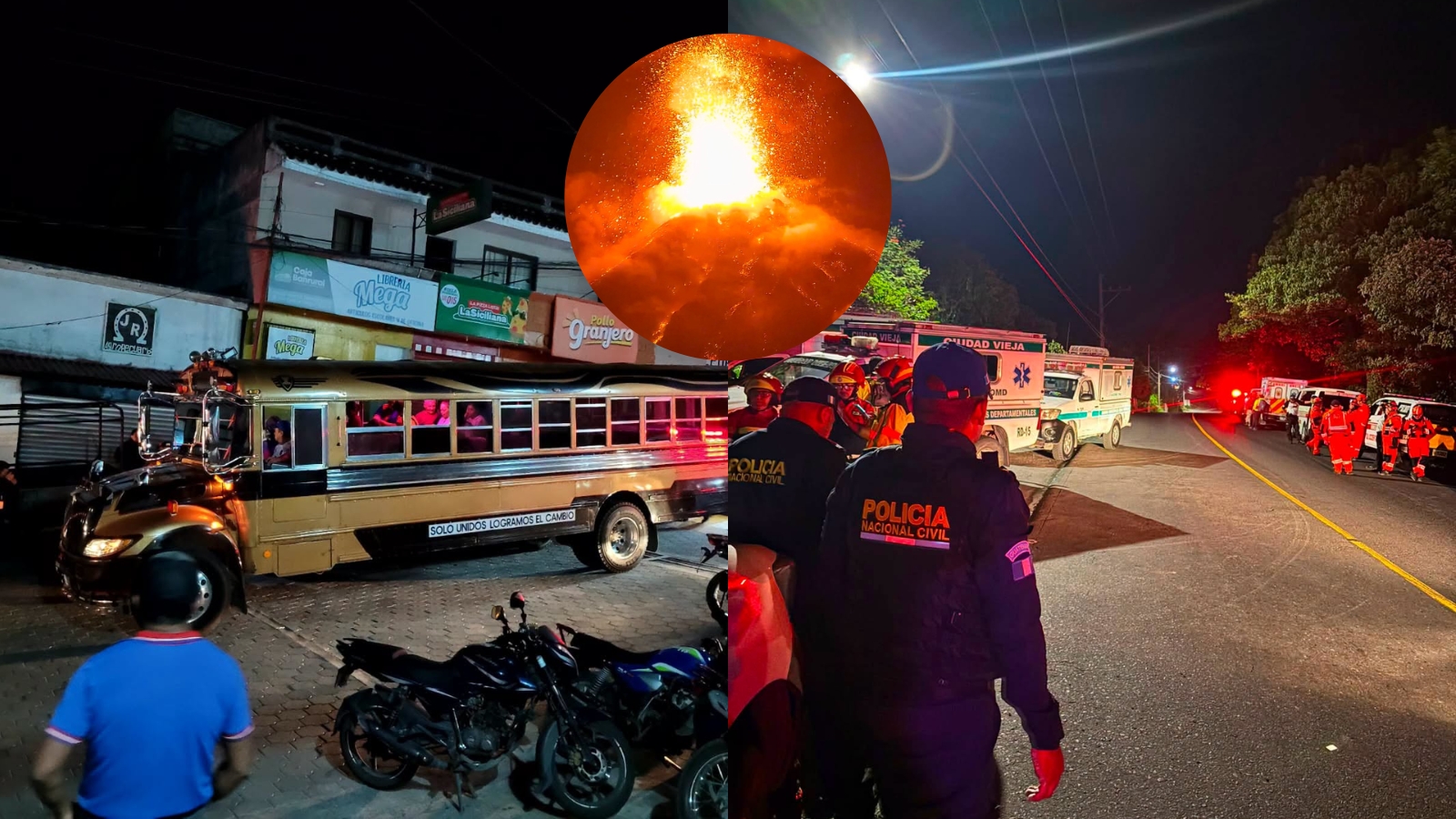
Guatemala's Volcán de Fuego has entered a more explosive phase of eruption, characterized by pyroclastic flows and abundant ashfall. Authorities have initiated preventive evacuations in nearby communities due to the increased activity. Permanent surveillance and closures are being maintained by officials. The current explosive phase could potentially last up to 72 hours. Access to the town of Alotenango has been preemptively closed as a safety measure. The eruption is posing risks to surrounding areas, prompting emergency responses and preparedness measures. Residents in vulnerable zones are being advised to remain vigilant and follow official guidance. The situation underscores the dynamic and potentially hazardous nature of the Volcán de Fuego.
The heightened explosive activity of Volcán de Fuego, marked by pyroclastic flows and ash, necessitates robust emergency management and public safety protocols. The potential for a 72-hour eruption cycle highlights the importance of long-term preparedness strategies, including early warning systems and community evacuation plans. Authorities' preemptive closure of access to Alotenango demonstrates a proactive approach to risk mitigation. Future considerations should include ongoing geological monitoring and infrastructure resilience planning in areas prone to volcanic hazards, balancing safety with the socio-economic impacts of such events.
AI-generated to prompt reflection — not editorial opinion, not advice, not a statement of fact. How this works.
