Volcanic Eruptions Led to Earth's 'Great Dying,' Worsened by an Unforeseen Plant
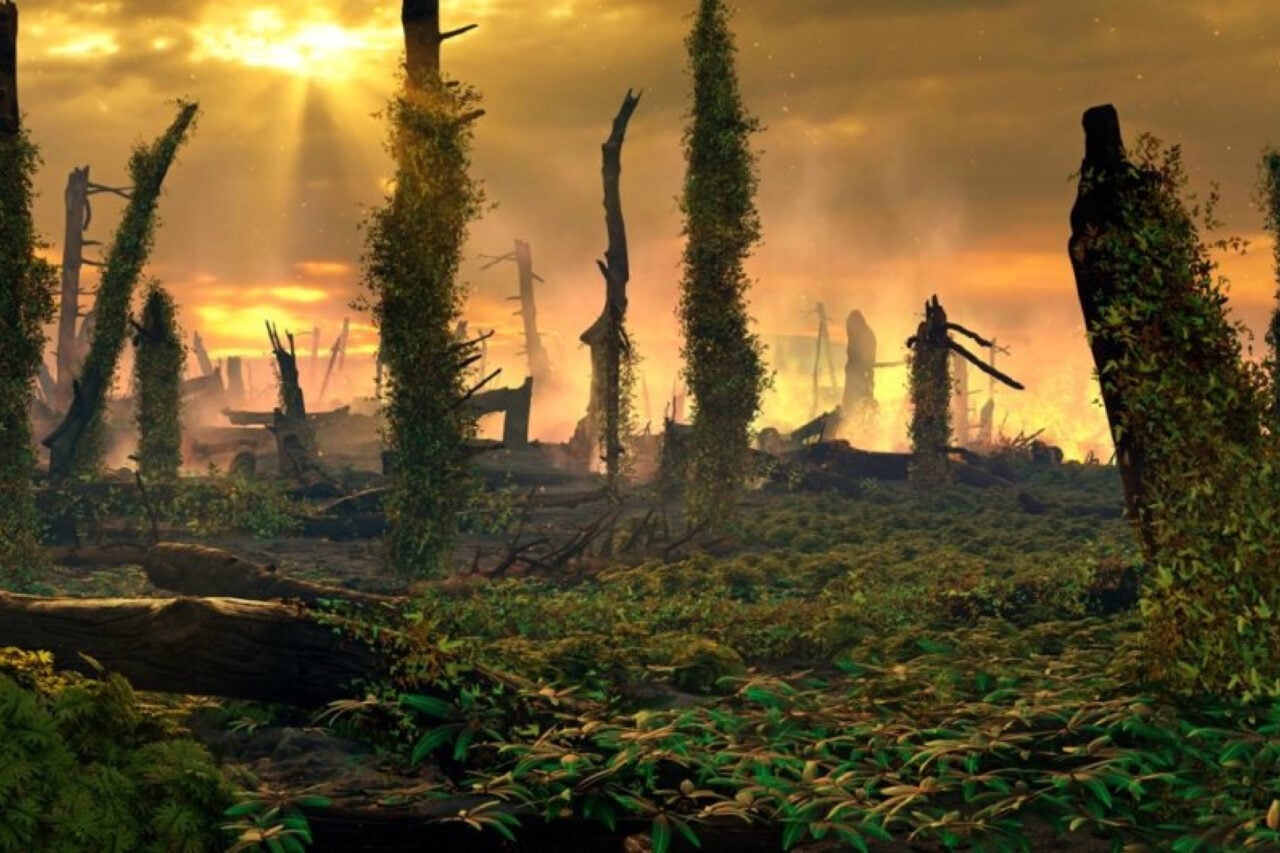
The Earth's most devastating extinction event, known as the 'Great Dying,' was triggered by massive volcanic eruptions. These eruptions released enormous amounts of greenhouse gases, fundamentally altering the planet's climate. However, the situation was exacerbated by the unexpected proliferation of a specific plant species. This plant played a significant role in worsening the catastrophic environmental changes already set in motion by the volcanic activity. The interaction between the geological event and the biological response created a feedback loop that intensified the extinction crisis. This highlights how complex and interconnected Earth's systems can be, where geological and biological factors can combine to produce extreme outcomes. The study suggests that even seemingly minor biological elements can have profound impacts when combined with major environmental disruptions.
The 'Great Dying' extinction event serves as a stark reminder of the interconnectedness of Earth's geological and biological systems. The interplay between massive volcanic outgassing and the subsequent rise of a specific plant species illustrates how cascading effects can amplify environmental catastrophes. This phenomenon underscores the sensitivity of planetary ecosystems to both large-scale geological forces and biological adaptations. Understanding these complex feedback loops is crucial for predicting future environmental shifts and developing strategies for ecosystem resilience in the face of ongoing climate change and potential geological events. The event prompts consideration of how biodiversity loss can be both a cause and consequence of planetary-scale environmental instability.
AI-generated to prompt reflection — not editorial opinion, not advice, not a statement of fact. How this works.