Volkswagen Amarok Limited Edition Marks End of Production in Argentina
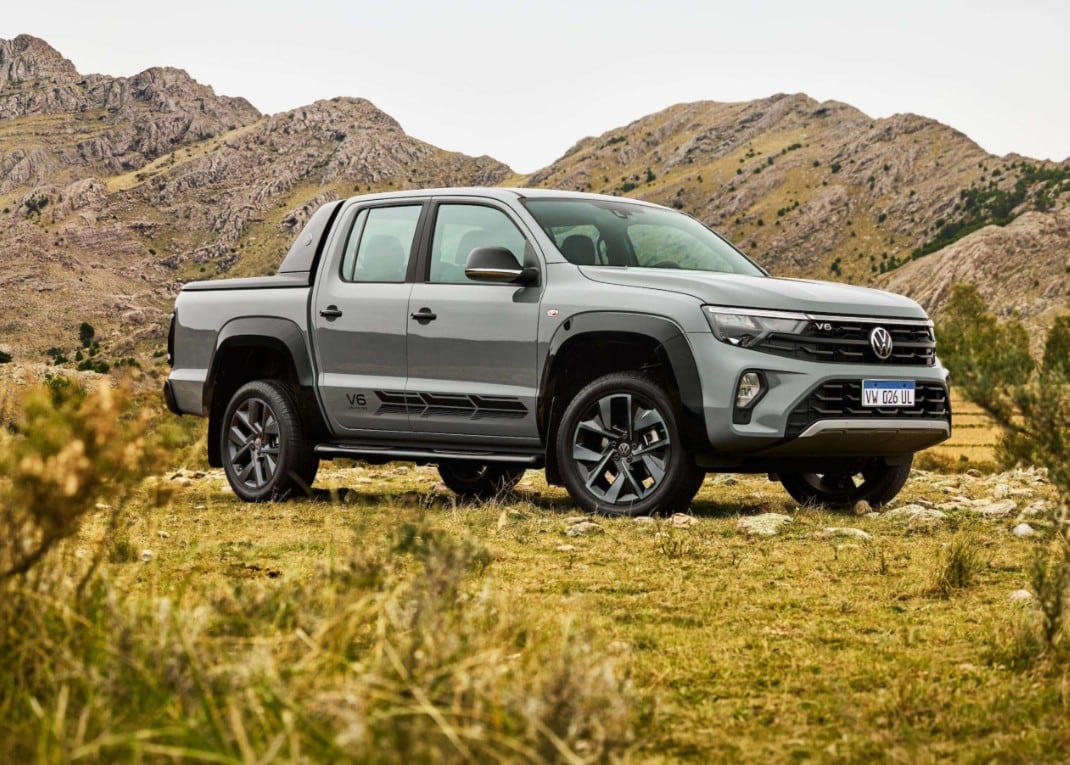
Volkswagen is bidding farewell to its successful Amarok pickup truck in Argentina with a limited edition release. Only 500 units of this special edition will be available, with sales commencing next month. This marks the end of an era for the popular Amarok model, which has been a significant player in the Argentine automotive market. The limited production run signifies the company's decision to conclude manufacturing of this particular vehicle in the country. Enthusiasts and potential buyers will have a final opportunity to acquire one of these iconic pickups. The release of these 500 units is expected to generate considerable interest among collectors and loyal customers. Volkswagen has not yet detailed specific features of the limited edition, but it is anticipated to include unique styling elements or badging. This move by Volkswagen reflects broader trends in the automotive industry, including model lifecycle management and strategic production adjustments. The Amarok has been a consistent performer for Volkswagen Argentina, and its departure will leave a gap in the company's local lineup.
The discontinuation of the Volkswagen Amarok's production in Argentina, marked by a limited edition release, signals a strategic recalibration within Volkswagen's global product portfolio and manufacturing footprint. This decision likely stems from evolving market demands, production cost efficiencies, and the strategic introduction of new models or platforms. For consumers, it represents the final opportunity to acquire a vehicle with a known performance and reliability record, potentially driving up demand for the limited units. From a market perspective, such limited runs can create scarcity value, impacting resale prices. This event underscores the dynamic nature of the automotive industry, where product lifecycles are subject to continuous reassessment in response to technological advancements, regulatory changes, and shifting consumer preferences, particularly in the context of electrification and autonomous driving trends that will shape the next decade.
AI-generated to prompt reflection — not editorial opinion, not advice, not a statement of fact. How this works.