Volkswagen CEO Calls for Deeper Cost Cuts Amidst Rising Chinese Competition
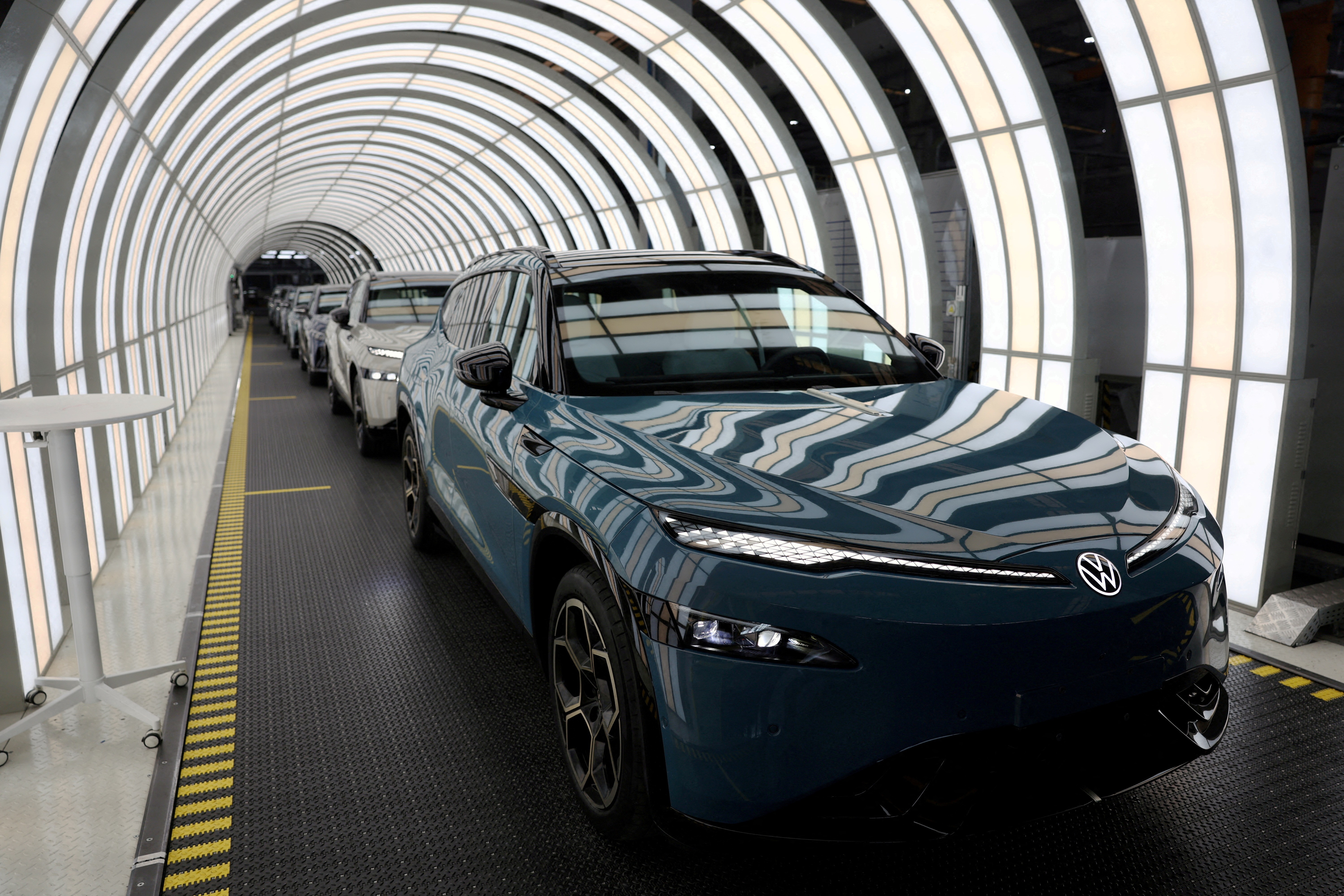
Volkswagen CEO Oliver Blume has urged the company to implement more significant cost reductions to maintain competitiveness against the growing presence of Chinese automakers in the European market. This call comes after the release of mixed quarterly financial results, which saw operating profit fall by 9.5% to 3.5 billion euros (US$3.98 billion) in the second quarter, though revenue reached 82.4 billion euros. Blume proposed doubling planned job cuts from 50,000 to 100,000 and warned that four German factories could face closure after 2030, emphasizing the increasing risks in the automotive sector, particularly with over 150 manufacturers in China actively entering European markets. Despite these proposals, Blume's comprehensive restructuring plan was not fully approved by the supervisory board, necessitating further negotiations with unions following a prior agreement on 50,000 job reductions. Analysts have noted signs of stabilization, with revenue exceeding expectations and the company on track to meet its annual operating margin target of 4% to 5.5%. However, some also observe a delicate balancing act by Volkswagen's management, attempting to reassure investors while simultaneously signaling the gravity of the situation to employees. The company has maintained its profit forecast for the year but now anticipates a revenue decline of up to 3% in 2026. Chinese automakers, including BYD and Geely, are expanding into Europe with cost-effective electric and plug-in hybrid vehicles, impacting Volkswagen's historical dominance in China and prompting the German manufacturer to explore options like producing Chinese-market models in Germany and forming defense sector partnerships. The Volkswagen works council, while acknowledging the need for cost management, advocates for increased investment in technology and new product development to ensure long-term competitiveness.
Volkswagen's strategic dilemma highlights the intensifying global competition in the automotive industry, particularly the disruptive influence of Chinese EV manufacturers. The company's proposed deep cost cuts, including substantial job reductions and potential factory closures, reflect a reactive approach to market pressures rather than a proactive innovation strategy. While financial stabilization is a short-term necessity, long-term competitiveness in the AI-driven automotive era will likely depend on substantial investment in cutting-edge technology, software integration, and sustainable manufacturing processes. The tension between appeasing investors with cost controls and motivating employees with future-oriented development presents a significant governance challenge. The company must navigate this by fostering a culture that embraces technological evolution and strategic partnerships, ensuring it can adapt to rapidly shifting market dynamics and consumer preferences over the next decade.
AI-generated to prompt reflection — not editorial opinion, not advice, not a statement of fact. How this works.