Volkswagen Considers Cutting Up To 50,000 More Jobs Amid Competitiveness Drive
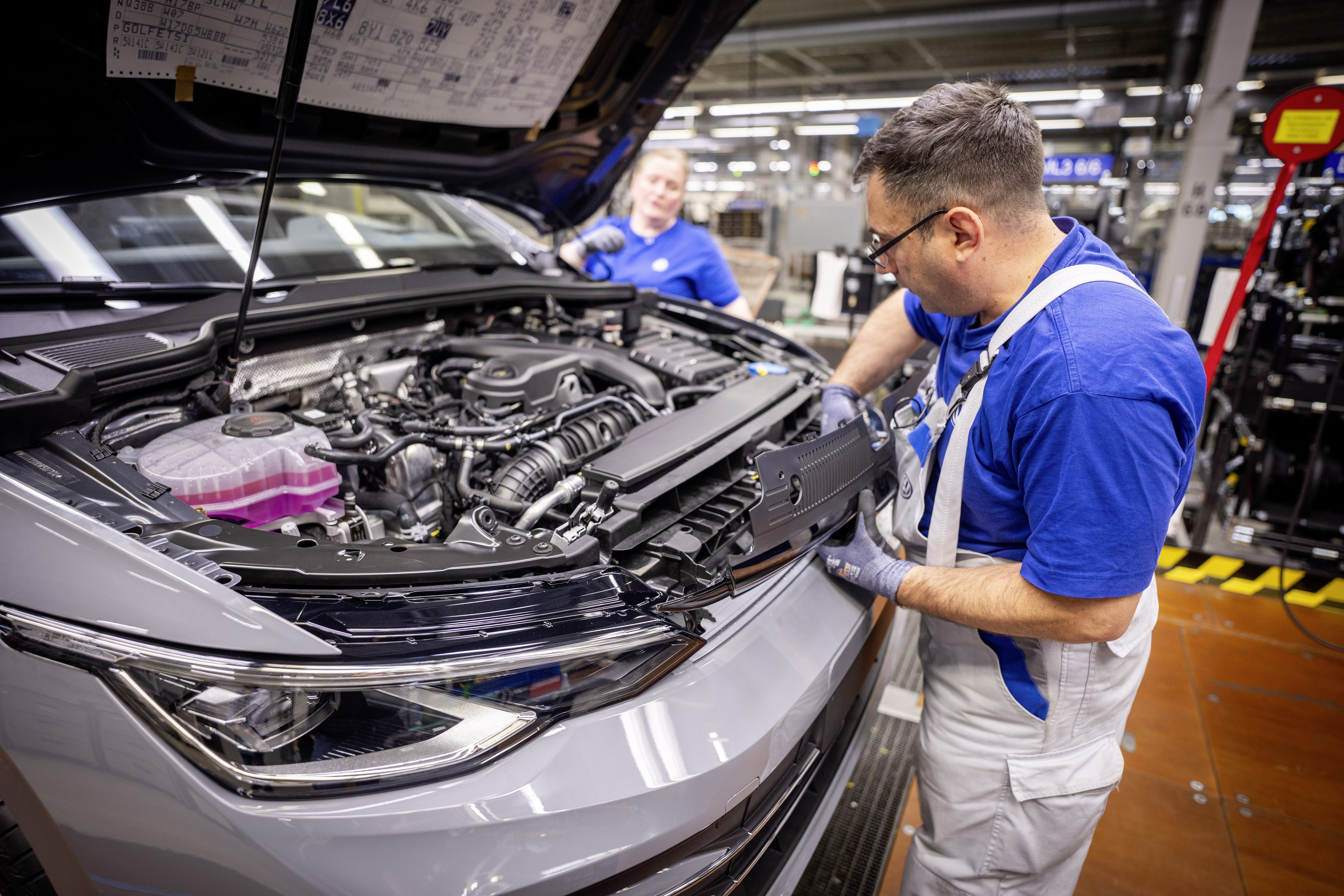
Volkswagen CEO Oliver Blume has confirmed that the automaker may need to eliminate an additional 50,000 jobs to match the competitiveness of its rivals. This statement, made in an internal memo to employees, marks the first official acknowledgment that the company is considering workforce reductions totaling up to 100,000 positions. Blume is attempting to restructure Europe's largest car manufacturer, which is facing significant financial pressures. These include billions of euros in tariff costs, intense competition in the Chinese market, and the imperative to enhance the efficiency of its German factory network.
Following an agreement to cut 50,000 jobs across the group, including subsidiaries like Porsche and Audi, Volkswagen is exploring further cost-saving measures. The company's internal assessment indicates its costs are approximately 20% higher than those of competitor firms, theoretically necessitating the elimination of another 50,000 global positions. Blume stated that all brands, companies, and regions are being evaluated for necessary and feasible adjustments. Employee representatives on the supervisory board have reportedly opposed initial restructuring proposals, which allegedly included job cuts and the potential closure of four factories.
Volkswagen has not yet identified economically viable uses for its Emden, Hanover, Zwickau, and Neckarsulm plants beyond the 2030s. However, Blume expressed a preference for "intelligent solutions" over factory closures, citing potential alternatives such as repurposing facilities for the defense industry or producing China-developed Volkswagen models in Europe.
Volkswagen's potential large-scale workforce reduction signals a critical juncture in the automotive industry's transition. The company's stated need to cut costs by 20% to match competitors highlights the intense market pressures driven by global competition, evolving manufacturing demands, and the substantial investments required for electrification and digital transformation. The internal conflict with employee representatives over proposed cuts and factory closures underscores the complex stakeholder dynamics at play. Future-proofing manufacturing assets in an era of rapid technological change and geopolitical shifts presents a significant governance challenge, requiring innovative strategies that balance efficiency imperatives with social and economic considerations for affected regions and workforces. The exploration of alternative uses for plants, such as defense manufacturing or adapting production lines for different market needs, reflects a broader industry trend toward flexible and diversified operational models.
AI-generated to prompt reflection — not editorial opinion, not advice, not a statement of fact. How this works.