Volkswagen Workers Block Restructuring Plan Amidst Efficiency Push
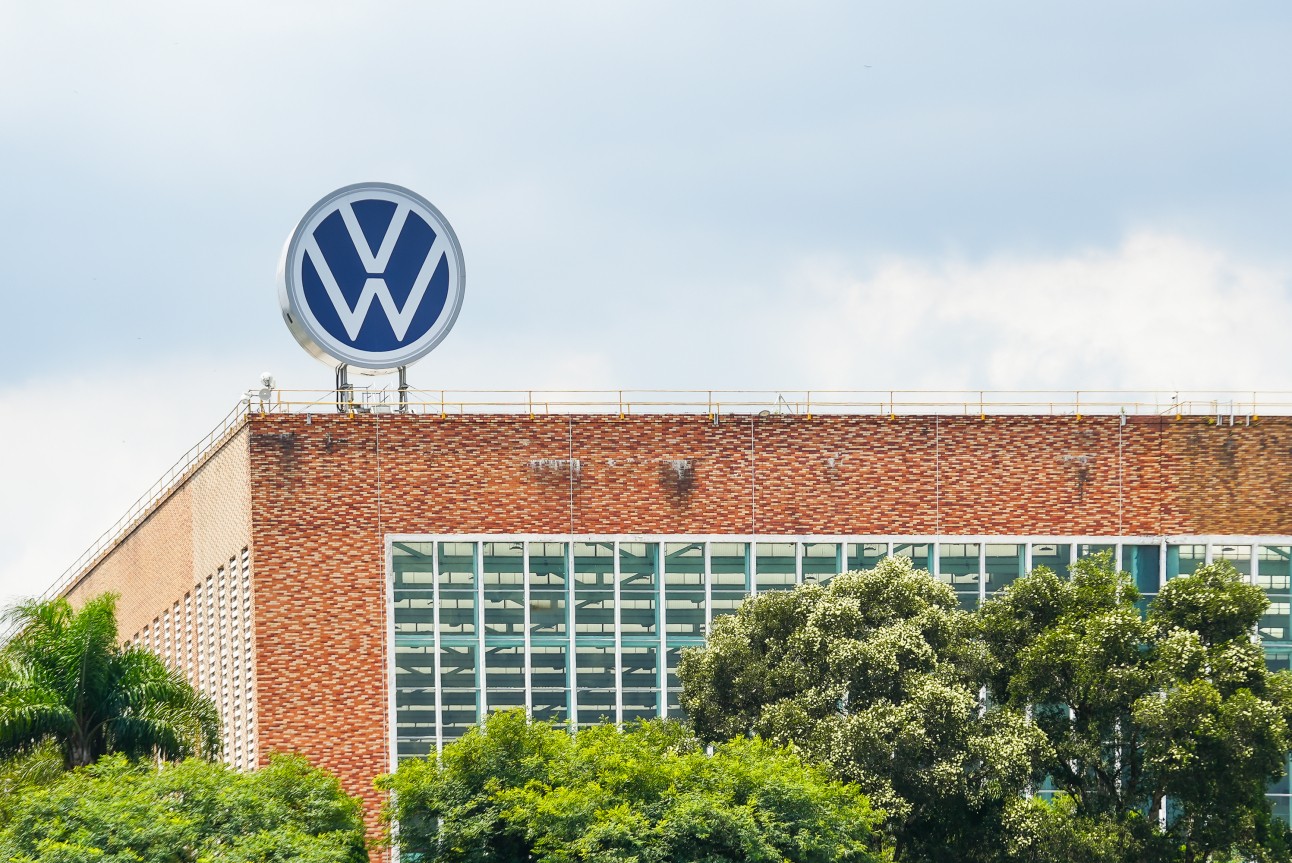
Worker representatives at Volkswagen have successfully blocked a significant restructuring plan proposed by CEO Oliver Blume, according to sources speaking to Reuters. The plan aimed to make Europe's largest automaker more efficient as it grapples with intense Chinese competition, substantial U.S. tariffs, and concerns about its German factories' competitiveness. The proposed restructuring reportedly included cutting up to 100,000 jobs and potentially closing four German plants. However, Volkswagen's governance structure, where worker representatives and the state of Lower Saxony hold a majority on the supervisory board, proved a significant hurdle. In a meeting on Thursday, the supervisory board rejected the management's proposal by a 12-7 vote, largely due to opposition from worker representatives. This rejection highlights the challenges Blume faces in implementing reforms, especially given the board's composition. Analysts have criticized the "future plan" as lacking concrete measures, with some stating it is "full of ideals, but very poor in concrete measures." While the company's statement mentioned simplifying operations and reducing global production capacity, it avoided direct mention of job cuts or factory closures. The IG Metall union has demanded clarity on the company's cost-reduction strategy and has threatened further protests if job security commitments are threatened, despite existing agreements limiting strikes. Both management and labor acknowledge the critical juncture Volkswagen faces, with profit margins halved in five years due to market shifts and electrification costs.
The rejection of Volkswagen's restructuring plan by its supervisory board, influenced by worker representation, underscores a fundamental tension between corporate efficiency imperatives and stakeholder employment security. This event highlights the challenges of navigating complex governance structures in established industrial giants, particularly when faced with global competitive pressures and the costly transition to electric mobility. The board's decision, while protecting jobs in the short term, may signal a slower adaptation to market dynamics, potentially impacting long-term competitiveness and profitability. Future strategies will likely need to balance these competing interests more effectively, perhaps through phased implementation, transparent communication, and innovative approaches to workforce retraining and redeployment, rather than outright job cuts. The situation also reflects broader debates about the role of labor in corporate decision-making and the sustainability of traditional industrial models in an era of rapid technological and market disruption.
AI-generated to prompt reflection — not editorial opinion, not advice, not a statement of fact. How this works.