Volta Redonda Hosts Hernia Surgery Drive for SUS Patients
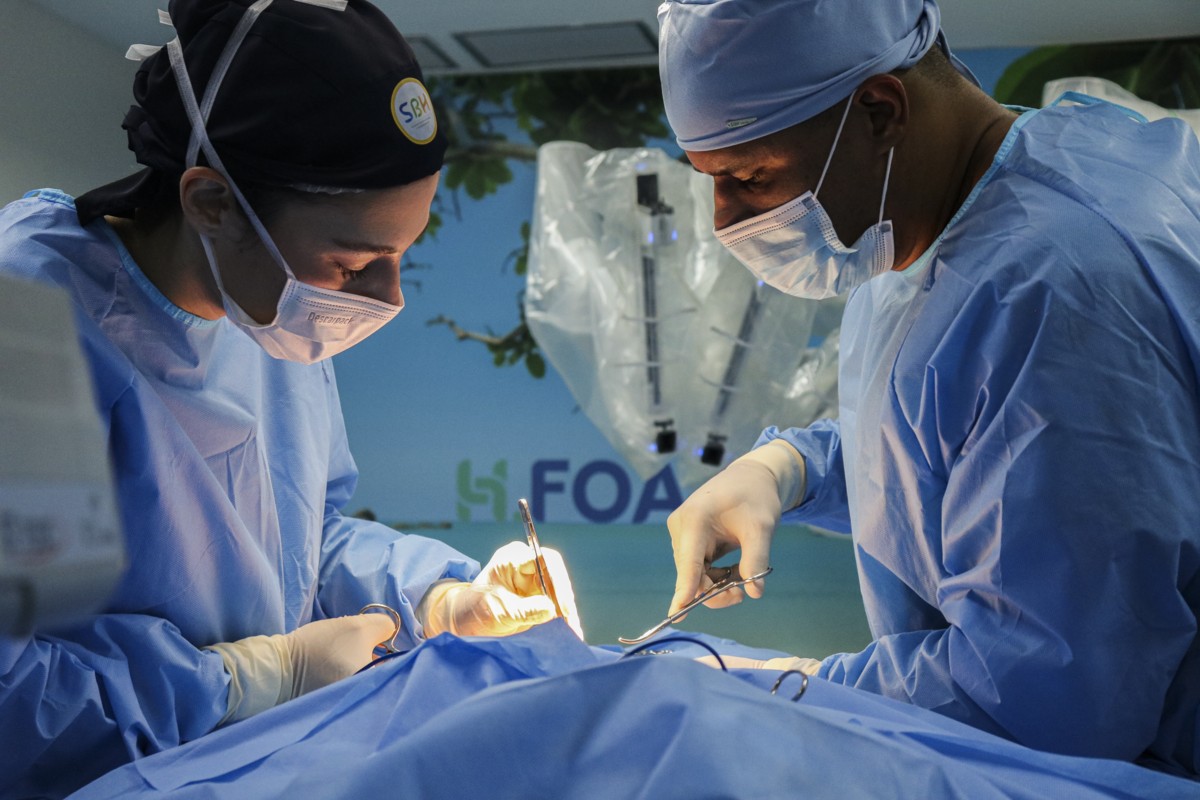
Volta Redonda, Brazil, is hosting its third hernia surgery initiative for patients covered by the Unified Health System (SUS). The event, taking place from July 6th to 10th at the H.FOA (Hospital da Fundação Oswaldo Aranha), is supported by the Brazilian Society of Hernia and Abdominal Wall (SBH). Approximately 20 SUS patients, all residents of Volta Redonda and part of the hospital's abdominal wall outpatient clinic, are expected to be treated. The surgeries will be performed using robotic technology by volunteer surgeons. Pre-operative procedures and examinations have already been completed at the hospital. This initiative is part of a national project by the SBH, with Volta Redonda serving as the second stage focused on robotic surgeries, following an initial event in Recife, Pernambuco, which featured various surgical methods. A hernia occurs when an organ or tissue protrudes through an opening, commonly in the abdominal region, often affecting men over 60. Common types include inguinal, umbilical, and incisional hernias, with causes ranging from genetic predisposition and aging to obesity, smoking, heavy lifting, and chronic conditions like constipation or persistent coughing. Symptoms can include pain, a visible lump, burning sensations, swelling, nausea, and vomiting.
This initiative highlights a collaborative effort between a healthcare institution, a specialized medical society, and volunteer professionals to address a specific surgical need within the public health system. The focus on robotic surgery indicates an adoption of advanced medical technology to potentially improve patient outcomes and reduce recovery times, aligning with broader trends in healthcare innovation. The event's structure, with Volta Redonda hosting the robotic surgery component as part of a national project, suggests a strategy for disseminating specialized surgical techniques and addressing regional healthcare disparities. Future considerations might involve evaluating the long-term cost-effectiveness and accessibility of robotic surgery within public healthcare systems, as well as exploring sustainable models for volunteer-driven medical missions.
AI-generated to prompt reflection — not editorial opinion, not advice, not a statement of fact. How this works.