Volta Redonda Recognized Nationally for Alzheimer's Care Services
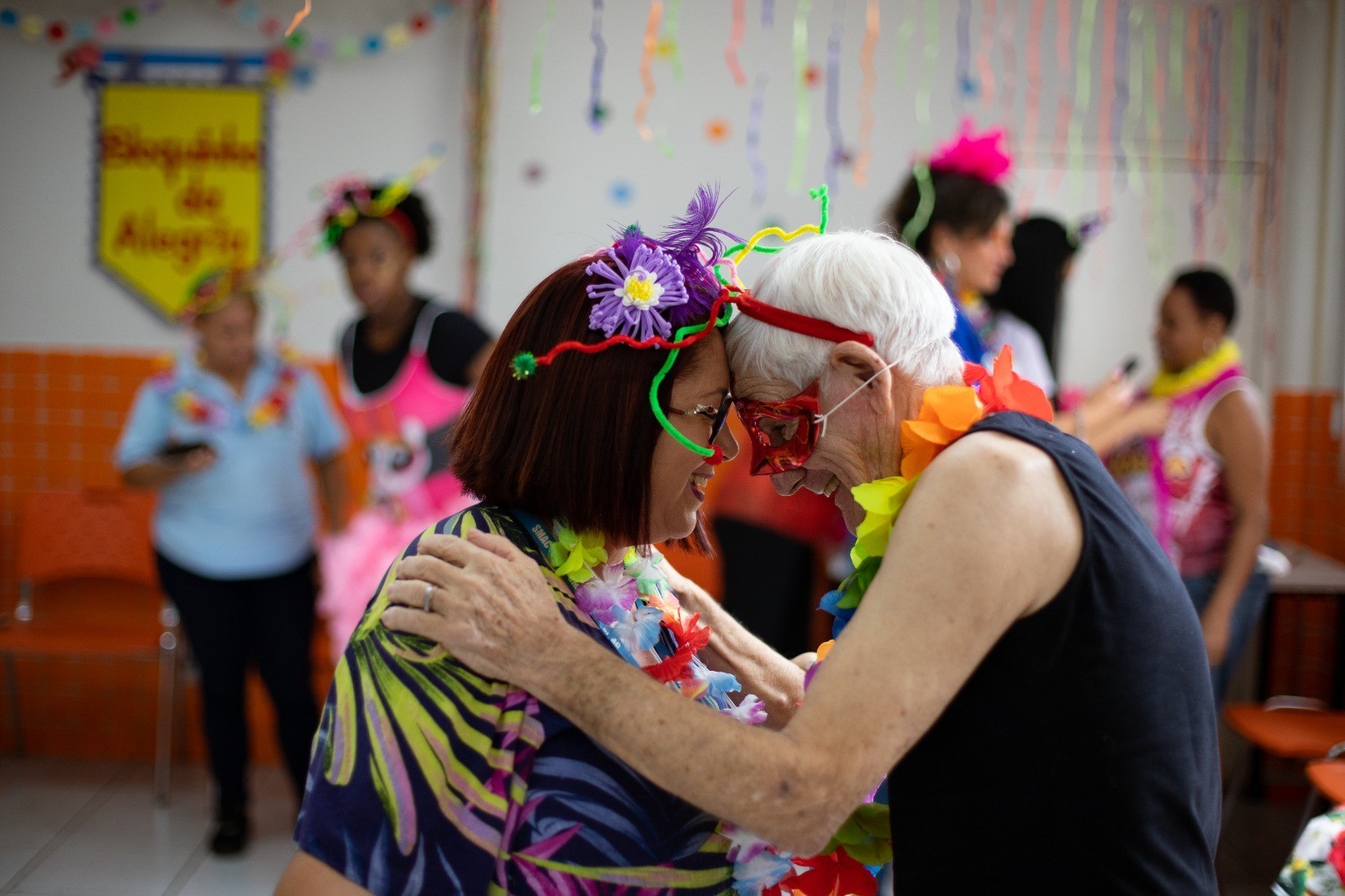
Volta Redonda, Brazil, has been officially recognized and included in the "Mapa do Cuidado" (Care Map), a national registry maintained by the Brazilian Alzheimer's Federation (Febraz). This initiative highlights the country's leading free services for individuals with dementia and their families. The specific facility honored is the Centro-Dia Synval Santos, a public center for the elderly with Alzheimer's and their families, managed by the Municipal Secretariat of Social Assistance (Smas). Febraz reports that only 20 such specialized, free dementia services exist nationwide, with Volta Redonda's center being one of only four in the state of Rio de Janeiro to receive this distinction. The Centro-Dia Synval Santos is described by the municipality as the first public center of its kind in Latin America, offering daily cognitive, functional, and social stimulation for its clients, alongside support and guidance for their families. The center also serves as a hub for knowledge creation and dissemination in geriatrics and gerontology, attracting technical visits from other municipalities and states seeking to adopt its methodology. This recognition by Febraz underscores the importance of expanding public policies for those affected by dementia and emphasizes Volta Redonda's commitment to providing specialized, humanized care for its elderly population.
Volta Redonda's inclusion in the "Mapa do Cuidado" signifies a positive development in specialized dementia care infrastructure within Brazil. This recognition highlights the effectiveness of public-private collaboration, where municipal administration supports a specialized center that aligns with national care standards set by Febraz. The "Mapa do Cuidado" itself serves as a crucial tool for democratizing access to information about essential services, potentially reducing disparities in care availability across different regions. As dementia prevalence is projected to rise globally, driven by aging populations and advancements in diagnostics, the sustainability and scalability of such dedicated public centers become paramount. Future policy considerations could involve leveraging this recognized model to foster broader adoption, potentially through inter-municipal knowledge transfer programs and increased federal funding to address the growing demand for specialized geriatric and dementia care services.
AI-generated to prompt reflection — not editorial opinion, not advice, not a statement of fact. How this works.