Voltaire's Quote on Money Resonates Amidst Extreme Productivity Demands
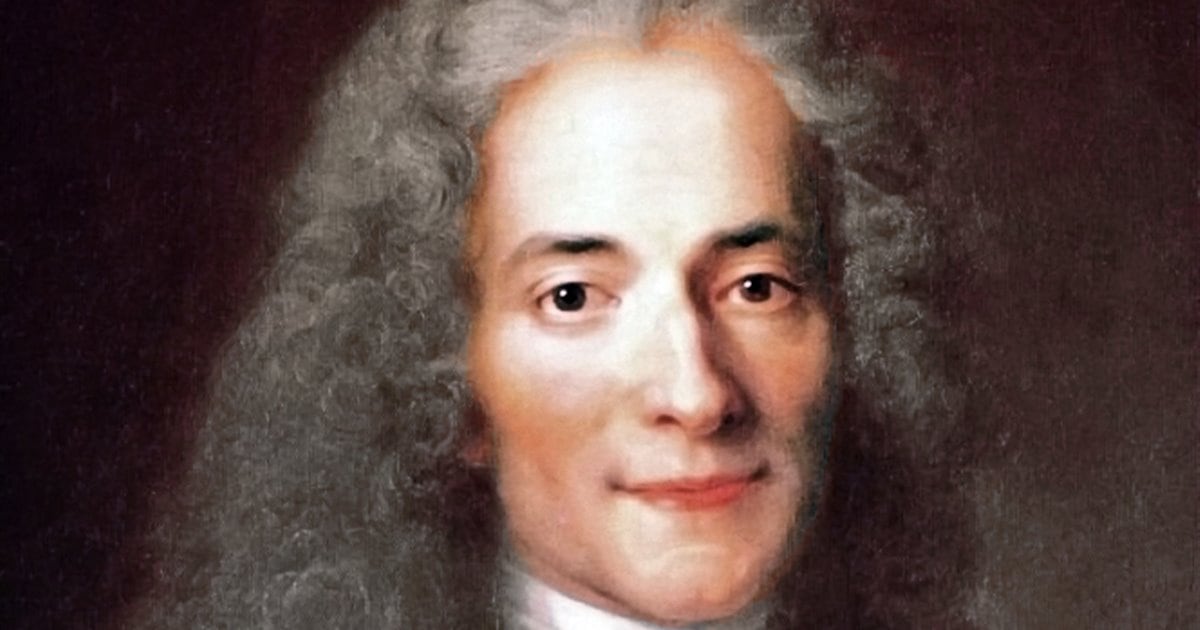
The 18th-century French philosopher Voltaire's observation, "Those who believe that money makes everything end up doing everything for money," is gaining unsettling relevance. This is occurring within a contemporary environment characterized by extreme productivity pressures. Specialists are issuing warnings about the significant risk of transforming capital into the sole driving force behind human existence. This shift could potentially devalue other essential aspects of life and human motivation. The quote highlights a potential societal trajectory where financial gain becomes the ultimate objective, overshadowing intrinsic values or non-monetary pursuits. The concern is that this singular focus on monetary accumulation may lead to a moral or ethical compromise in decision-making processes across various domains. As productivity demands intensify, the temptation to prioritize financial outcomes above all else becomes more pronounced. This situation calls for a re-evaluation of societal values and the metrics by which success is measured.
The resurgence of Voltaire's quote in an era of hyper-productivity suggests a societal tension between economic imperatives and intrinsic human values. The emphasis on extreme productivity, driven by market dynamics and technological advancements, risks creating an environment where financial metrics become the primary determinant of worth and purpose. This can lead to a system where individual and collective actions are increasingly commodified, potentially eroding non-monetary motivations like altruism, creativity, or community well-being. Over the next decade, as AI further optimizes efficiency, the challenge will be to architect systems that balance economic growth with the preservation of humanistic principles, ensuring that capital serves as a tool for broader societal advancement rather than becoming an end in itself.
AI-generated to prompt reflection — not editorial opinion, not advice, not a statement of fact. How this works.