Voltpost to Expand EV Charging Infrastructure by Retrofitting Lampposts in CA, NY, and CT
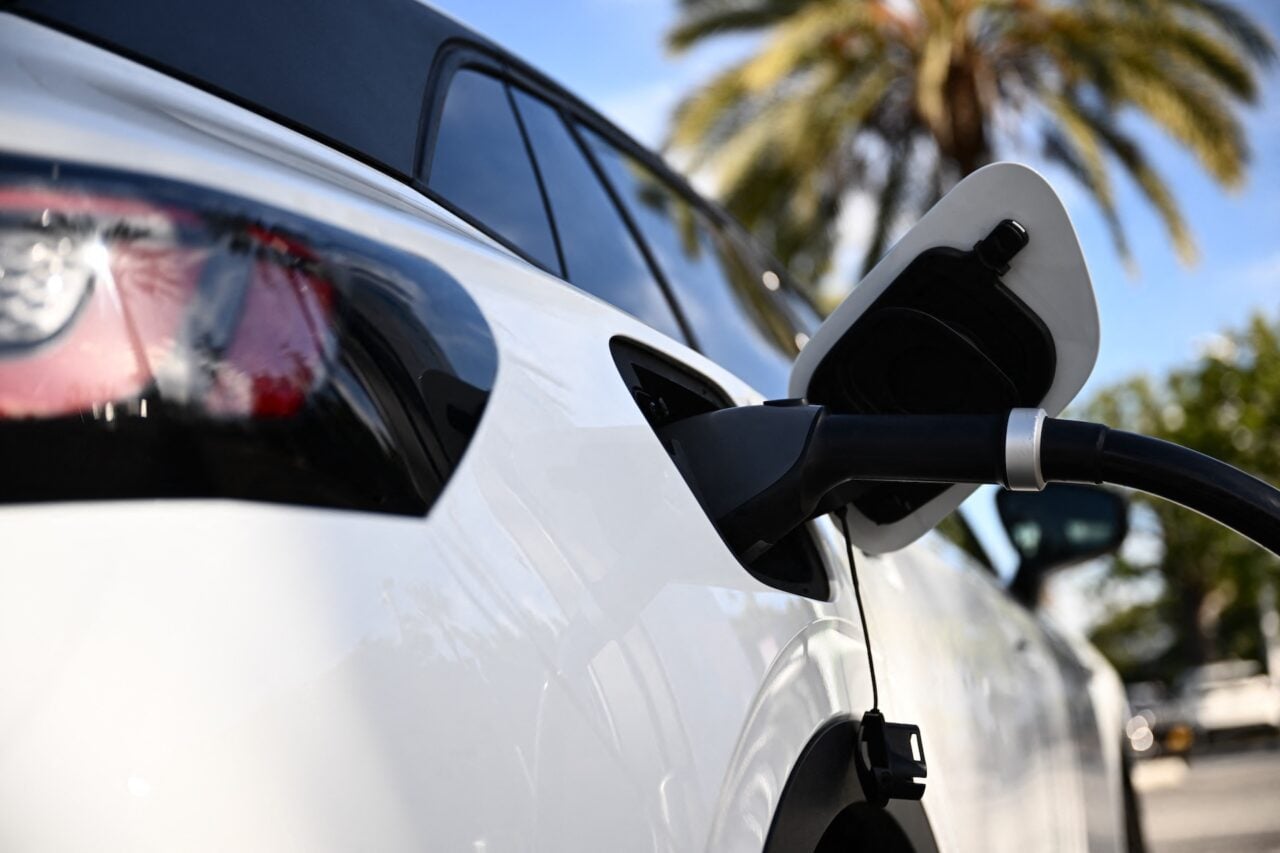
Voltpost, a company focused on electric vehicle (EV) charging infrastructure, is set to expand its services by retrofitting existing lampposts to serve as EV chargers. This initiative will initially target California, New York, and Connecticut. The company's approach involves augmenting the current electrical infrastructure rather than building entirely new charging stations. This method aims to make EV charging more accessible and integrated into urban environments. By utilizing existing lamppost infrastructure, Voltpost seeks to overcome some of the common hurdles in deploying widespread EV charging, such as high installation costs and the need for significant new construction. The expansion into these three states signifies a growing demand for practical and scalable EV charging solutions. Voltpost's strategy could potentially accelerate the adoption of electric vehicles by reducing the perceived inconvenience of charging. The company's technology allows for the transformation of standard lampposts into functional charging points, leveraging the widespread availability of these existing structures.
Voltpost's strategy of repurposing existing lamppost infrastructure for EV charging presents an innovative approach to addressing the growing demand for charging solutions. This method leverages sunk costs in urban infrastructure, potentially offering a more capital-efficient deployment model compared to standalone charging stations. From a systems perspective, this integration could alleviate grid strain by distributing charging load more broadly, though it necessitates careful management of localized power draw. The long-term viability will hinge on regulatory frameworks, utility partnerships, and the scalability of the retrofitting technology across diverse urban designs. As the automotive sector transitions towards electrification, such distributed charging models will be critical for ensuring equitable access and supporting widespread EV adoption, while also presenting opportunities for smart grid integration and data collection.
AI-generated to prompt reflection — not editorial opinion, not advice, not a statement of fact. How this works.