Volunteers Build Recycled Shelters for Stray Animals in Chapada dos Guimarães, Brazil
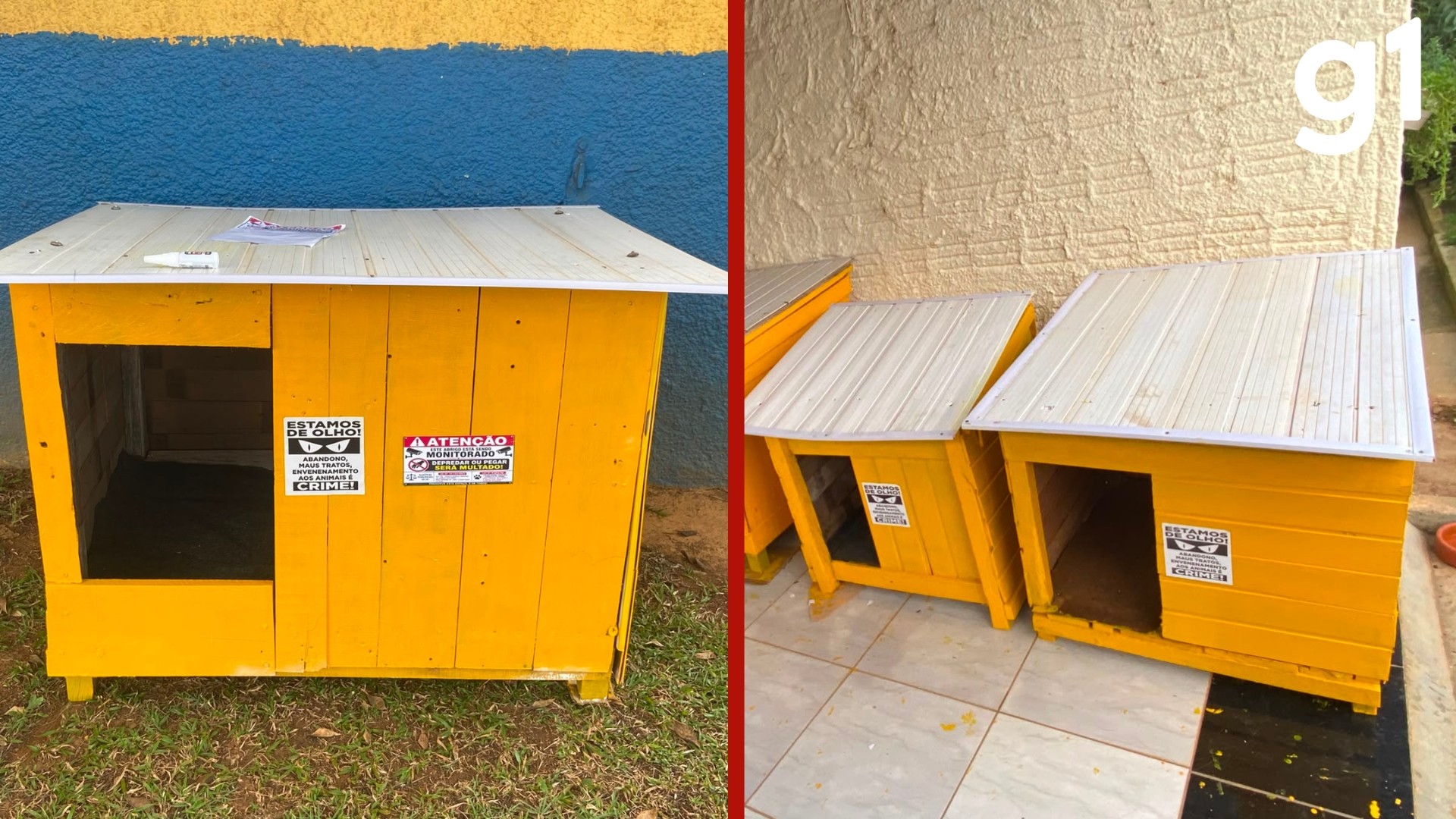
A group of concerned residents in Chapada dos Guimarães, Mato Grosso, Brazil, have initiated a project to construct shelters for stray dogs and cats using recycled materials. The initiative is spearheaded by Maria Silva, who has dedicated approximately 30 years to animal welfare causes. Driven by the sight of numerous abandoned animals and a lack of public resources, Silva and around 20 volunteers have already built and delivered six shelters, with more currently in production. The project gained momentum after witnessing four dogs struggling to find refuge from heavy rain and cold near the city's bus station, prompting the group to seek a tangible solution. Silva emphasized that addressing the stray animal population is a matter of public health, encompassing disease control and urban cleanliness, not just animal welfare. The volunteers face significant challenges in securing public support and rely on donations, raffles, and their own funds for essential supplies like nails, screws, and paint, as well as for medical treatments and sterilizations. They have successfully spayed 16 female cats and five female dogs, and provided care for animals with severe illnesses and injuries from accidents. A worker at the local landfill assists by collecting usable discarded materials such as plywood and insulation panels, which form the primary structure of the shelters. The group aims to build at least 10 urgent units, with the community showing positive reception and offering support for their efforts.
This community-driven initiative highlights a proactive response to a common urban challenge: the welfare of stray animals and the strain on public services. By leveraging recycled materials and volunteer labor, the project demonstrates resourcefulness and a commitment to addressing a public health issue that often falls outside immediate municipal priorities. The reliance on private funding and donations underscores the gap between the perceived needs of animal welfare and the allocation of public resources, prompting consideration of sustainable funding models and public-private partnerships for such initiatives. The project's success, measured by the number of shelters built and animals treated, suggests a strong local demand for action and a potential model for other communities facing similar circumstances, emphasizing the role of civil society in complementing governmental responsibilities.
AI-generated to prompt reflection — not editorial opinion, not advice, not a statement of fact. How this works.