Volunteers Plant Over 60,000 Saplings in Three Years for Reforestation in São Paulo
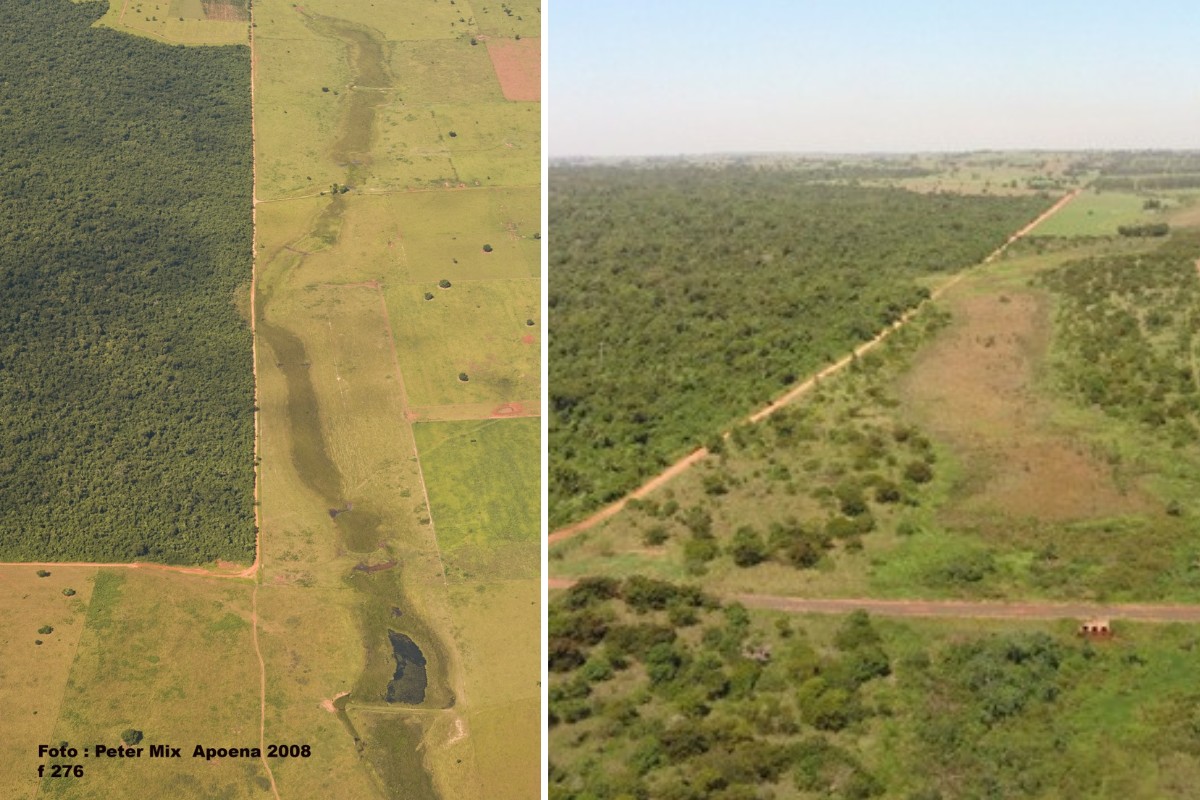
In Caiuá, São Paulo, volunteers have planted more than 60,000 saplings over the past three years, contributing to the reforestation of a 48-hectare area along the Paraná River. This initiative is part of a collective project focused on the Mata Maturi-Rio do Peixe ecological corridor. The project aims to restore native species, including the buriti palm, known as the "tree of life" by indigenous peoples. A recent planting event on July 11th saw 15 volunteers plant over 54 new buriti saplings.
Djalma Weffort, president of the Association in Defense of the Paraná River, its Tributaries, and Riparian Forests (Apoena), highlighted the significance of the buriti tree, noting its potential to reach 35 meters in height and live for up to 400 years. The decline of native species in the area is attributed to deforestation, forest fires, and changes in water cycles due to damming and watercourse diversions. The reforestation efforts support the well-being of various wild animals, such as macaws, parrots, and the buriti parakeet.
The restoration project, initiated three years ago as an environmental compensation between the Public Ministry and a local company, executed by Apoena, has already introduced 90 different species. Future planting plans are underway. The region, particularly the Morro do Diabo State Park in Teodoro Sampaio, is recognized for its environmental preservation, having gone over a decade without forest fires. This park is a vital habitat for species like jaguars and the black lion tamarin, hosting the world's largest free-roaming population of the latter, which was once thought to be extinct.
This reforestation project demonstrates the positive impact of community-driven environmental initiatives, particularly when supported by environmental compensation mechanisms. The multi-year effort highlights the slow but persistent nature of ecological restoration, requiring sustained action to counteract historical degradation from deforestation and hydrological changes. The project's success in reintroducing diverse native species and supporting wildlife populations underscores the interconnectedness of ecosystems and the value of preserving biodiversity for both ecological health and future generations. The involvement of organizations like Apoena and state park management, alongside volunteer efforts, suggests a scalable model for addressing environmental challenges, emphasizing the importance of collaborative governance and community engagement in long-term conservation strategies.
AI-generated to prompt reflection — not editorial opinion, not advice, not a statement of fact. How this works.