Volvo EX30 Cross Country EV Faces US Market Exclusion Due to Tariffs
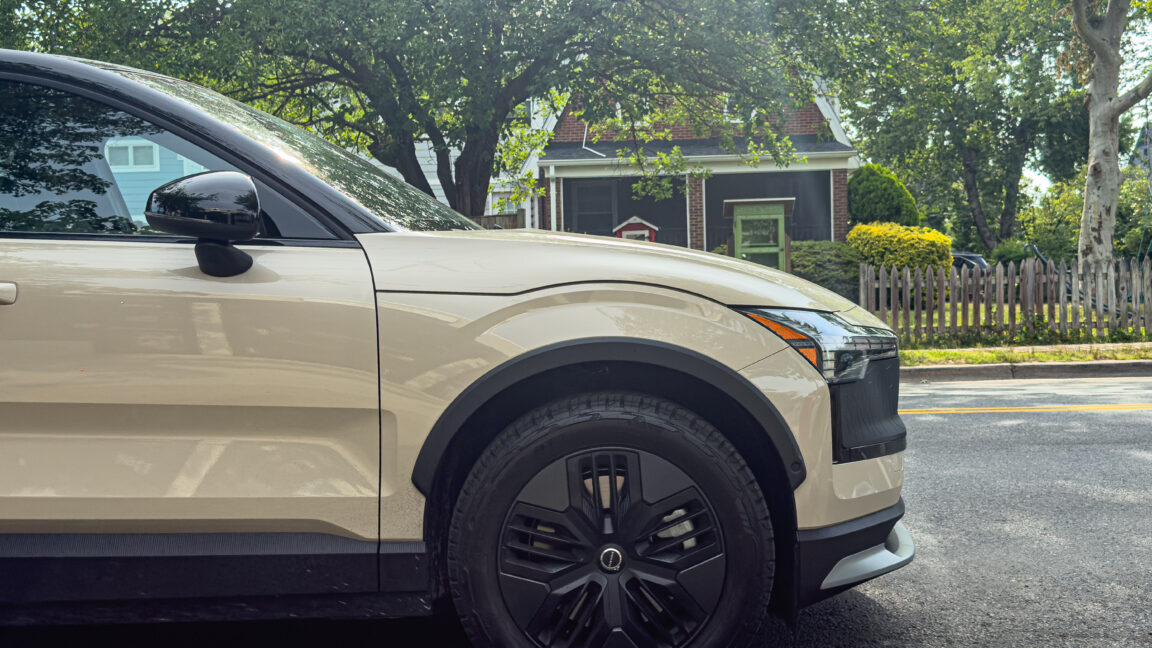
The Volvo EX30 Cross Country, a compact electric vehicle, will not be available for purchase in the United States. This decision stems from the implementation of tariffs and anti-China policies that impact the vehicle's market viability. The EX30 Cross Country was designed to offer a compelling option in the electric vehicle segment, but these trade regulations have effectively barred its entry into the US market. Volvo had intended to bring this model to American consumers, but the current economic and political climate makes it unfeasible. The exclusion highlights the significant influence of trade policies on the availability of automotive products for consumers. This situation underscores the complexities of global trade and its direct impact on product accessibility in domestic markets. The specific tariffs and policies mentioned are designed to protect domestic industries, but they also limit consumer choice and potentially increase prices for alternative vehicles.
The exclusion of the Volvo EX30 Cross Country from the US market due to tariffs and anti-China policies illustrates a common tension between national industrial policy and consumer access to global goods. While such measures aim to foster domestic production and employment, they can inadvertently limit competitive choices for consumers and potentially increase the cost of electric vehicles. This dynamic raises questions about the long-term efficiency of protectionist trade strategies in rapidly evolving technological sectors like EVs, particularly as global supply chains become increasingly interconnected. The decision may also influence future investment and product development strategies for automakers seeking to navigate complex international trade landscapes.
AI-generated to prompt reflection — not editorial opinion, not advice, not a statement of fact. How this works.