Voter Roll Shrinks 2.17% in Brazil's Vale do Paraíba and Bragantina Region for 2026 Elections
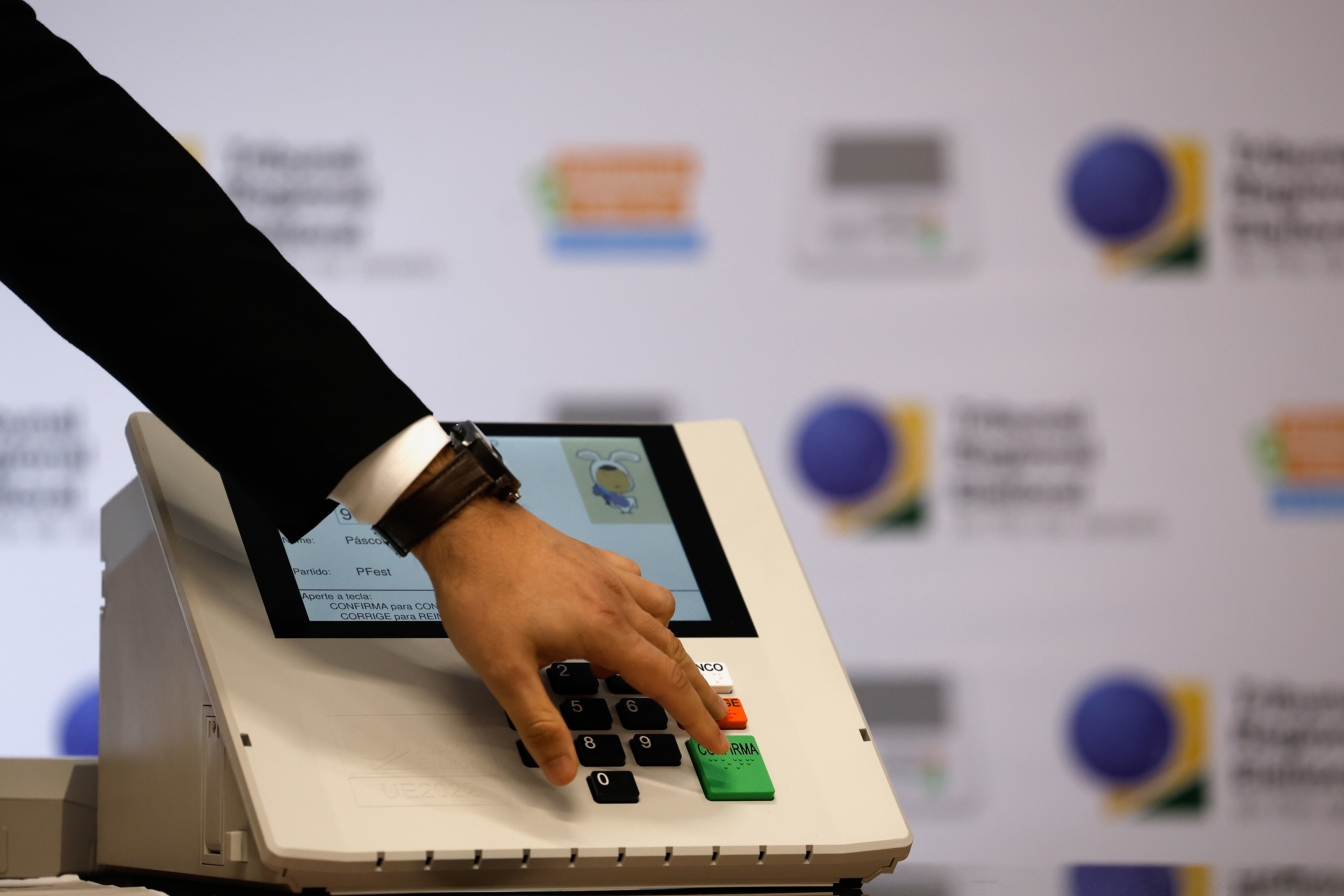
The number of eligible voters in Brazil's Vale do Paraíba and Bragantina region has decreased by 2.17% compared to the 2022 general elections, according to data released by the Superior Electoral Court (TSE) on Monday, May 20th. For the upcoming October 4th elections, 2,246,856 voters are registered in the region's 46 cities, down from 2,296,621 in 2022. This marks the first recorded drop in the region's electorate since the TSE began compiling historical data. Women constitute the majority of the electorate at 52.6%, totaling 1,182,985 voters, while 1,063,672 are men, and 199 did not specify their gender. Regarding race, 220,720 voters identified as white, 117,914 as mixed-race (pardo), 27,709 as Black (preto), 3,508 as Asian (amarelo), and 512 as Indigenous. A significant 1,876,493 voters did not declare their race. In terms of education, the largest group, 841,720 voters, has completed high school. Among the major cities, São José dos Campos saw a 3.4% decrease in its voter base, from 558,140 in 2022 to 539,147 this year. Conversely, Taubaté experienced a slight increase of 0.4%, with its electorate growing from 238,529 in 2022 to 239,475.
The reported decline in eligible voters in the Vale do Paraíba and Bragantina region, a demographic shift occurring for the first time in recorded history, warrants careful consideration of underlying societal and demographic trends. Factors such as out-migration, an aging population, or potentially lower birth rates could contribute to this contraction. Understanding the drivers behind this electoral shrinkage is crucial for regional planning and ensuring representative governance. Future analyses should explore correlations with economic conditions, educational attainment trends, and urban development patterns to provide a comprehensive picture of the region's evolving demographic landscape and its implications for political participation and resource allocation in the coming decade.
AI-generated to prompt reflection — not editorial opinion, not advice, not a statement of fact. How this works.