Voyager 1 to Reach One Light-Day Distance from Earth in November
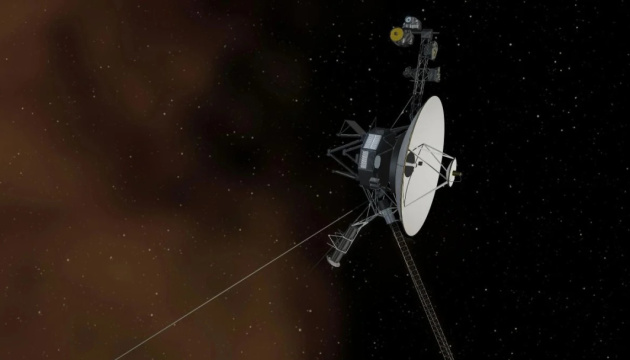
In November of this year, NASA's Voyager 1 space probe will achieve a significant milestone, becoming the first human-made object to be one light-day away from Earth. This celestial journey marks a profound expansion of humanity's reach into the cosmos. The probe, launched decades ago, continues its outward trajectory, carrying with it a legacy of scientific exploration and discovery. Its current distance represents a testament to the enduring power of space exploration and the technological advancements that enable such ambitious missions. Voyager 1's ongoing voyage provides invaluable data about the interstellar medium, contributing to our understanding of the universe beyond our solar system. This achievement underscores the long-term vision and perseverance involved in deep space exploration. The probe's continued operation, even after so many years, highlights the robustness of its design and the dedication of the teams managing its mission.
The Voyager 1 probe's upcoming achievement of reaching a distance of one light-day from Earth signifies a remarkable feat of engineering and sustained mission operations. This milestone, while primarily a measure of distance, prompts reflection on the long-term trajectory of human technological endeavors in space. As humanity increasingly relies on complex systems, the longevity and continued functionality of probes like Voyager 1 underscore the importance of robust design and ongoing support. The event also highlights the vast scales of space and the slow, deliberate pace of interstellar travel, contrasting with the rapid advancements in other technological domains. Future space exploration strategies may need to balance the desire for rapid progress with the necessity of building durable, long-lasting assets capable of operating across immense distances and timescales.
AI-generated to prompt reflection — not editorial opinion, not advice, not a statement of fact. How this works.