VP Vance Claims Epstein Had Ties to Israeli Intelligence, Criticizes US Handling of Files
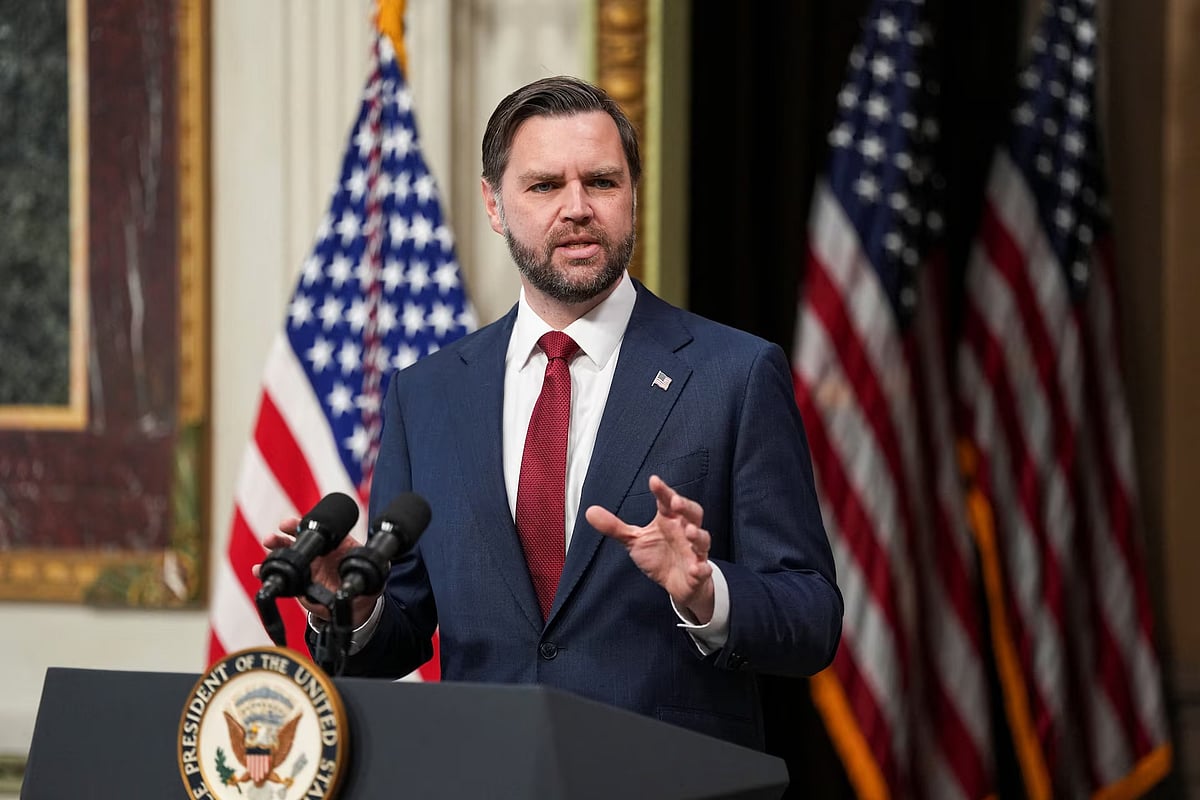
US Vice President JD Vance stated in a recent interview that the late sex offender Jeffrey Epstein had connections with Israeli intelligence agencies. Vance made these remarks during a lengthy conversation with popular podcaster Joe Rogan, published on Wednesday. While Vance asserted that Epstein had clear ties to the highest levels of US intelligence, he also indicated similar connections to the top echelons of Israeli intelligence. Vance further suggested that Epstein's contacts in Israel appeared to lean towards the political left, noting that he seemed involved with parts of Israel's 'deep state' that were left-leaning, rather than the right-wing political factions. The Vice President also acknowledged that the Trump administration mishandled the public relations and communication surrounding the Epstein files. Vance specifically referenced former Attorney General Pam Bondi, who had claimed to possess a list of individuals closely associated with Epstein. Bondi was dismissed by President Trump in April, after which his Justice Department released documents labeled 'The Epstein Files: Phase 1' and 'Declassified' to conservative commentators and influencers. Vance expressed his belief that Bondi's actions were a reaction to the political climate at the time and that she may have exaggerated the extent of the information available. He conceded that the administration's communication regarding the Epstein files was chaotic, but he does not believe this disorganization stemmed from an attempt to conceal information.
The assertion by Vice President Vance regarding Jeffrey Epstein's alleged connections to Israeli intelligence and the 'deep state' warrants careful consideration of information dissemination and geopolitical sensitivities. The handling of the Epstein files by the Trump administration, as described by Vance, highlights the challenges of transparency and public trust when dealing with sensitive investigations, particularly when political motivations may be perceived. The dynamics of intelligence sharing and influence networks between nations are complex, and public statements on such matters can have significant diplomatic implications. Future administrations will likely face similar pressures to balance the public's right to information with national security and international relations concerns, emphasizing the need for clear, consistent, and verifiable communication strategies.
AI-generated to prompt reflection — not editorial opinion, not advice, not a statement of fact. How this works.