Vuvuzelas Prove Effective in Deterring Lions and Protecting Livestock in Zimbabwe
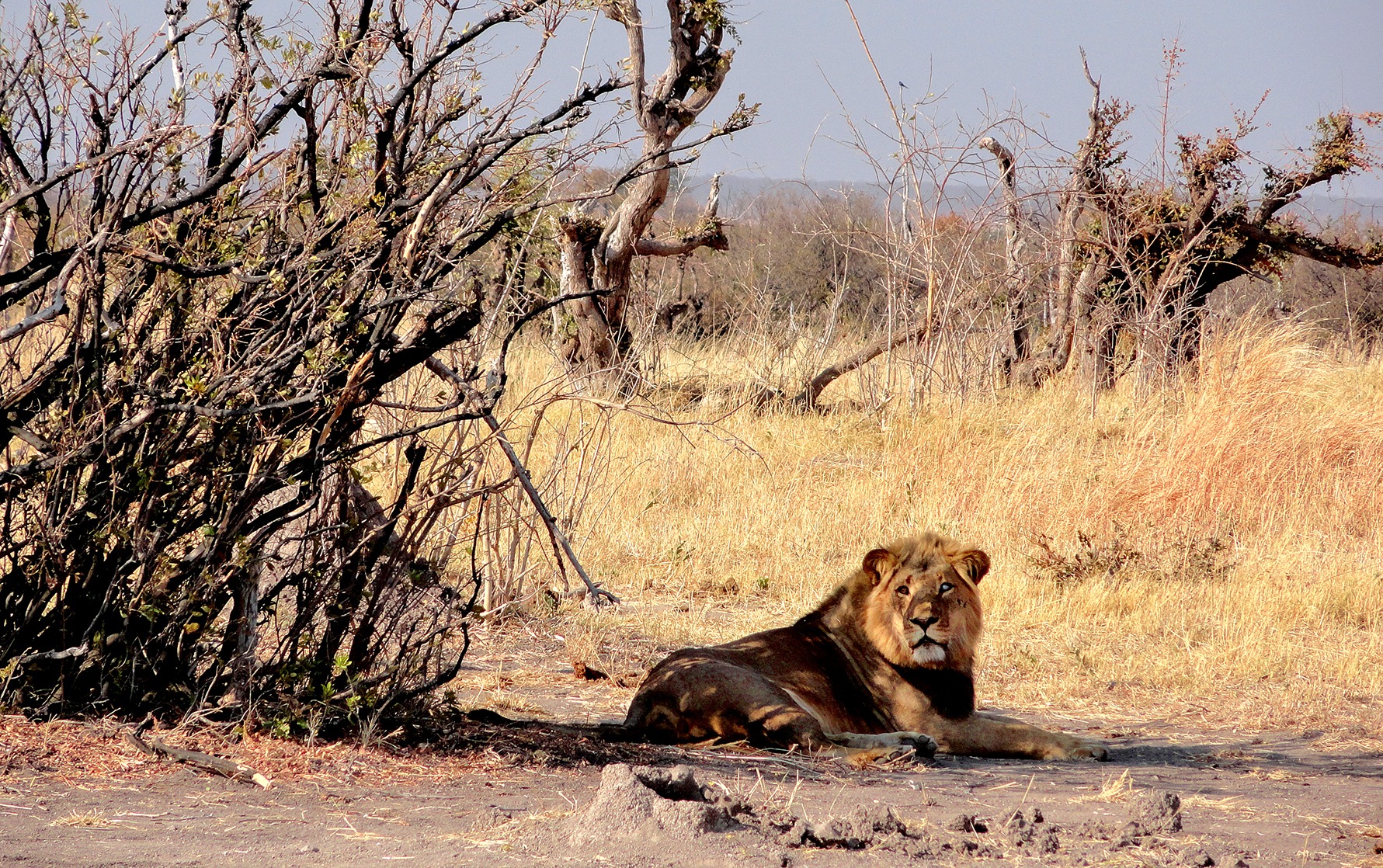
Villagers in Zimbabwe have found an innovative solution to protect their livestock from lion attacks by using vuvuzelas. This discovery highlights local ingenuity in addressing wildlife conservation challenges. The use of vuvuzelas has significantly reduced losses of livestock that would otherwise fall prey to prowling lions. This practice demonstrates a low-cost, community-driven approach to mitigating human-wildlife conflict. Research into this phenomenon suggests that the distinctive sound of the vuvuzela is effective in deterring the predators. The findings underscore the importance of incorporating traditional knowledge and local practices into modern conservation strategies. This method offers a practical and accessible tool for rural communities facing threats from wildlife. The success of vuvuzelas in this context could lead to wider adoption in other regions experiencing similar issues.
This development showcases how localized, low-tech solutions can address complex human-wildlife conflict scenarios, particularly in regions with limited resources. The effectiveness of vuvuzelas suggests that auditory deterrents, often overlooked in favor of more technologically advanced methods, can be highly impactful. This finding prompts consideration of how traditional practices, born from necessity, can be integrated into broader conservation frameworks. Future approaches might explore the acoustic properties of such sounds to develop more scalable and sustainable deterrents, balancing livestock safety with wildlife preservation goals. The long-term viability will depend on the adaptability of lions to this sound and the consistent application by communities.
AI-generated to prompt reflection — not editorial opinion, not advice, not a statement of fact. How this works.