VW and Mercedes Workers Stir: Three Reasons for Unrest in German Auto Industry
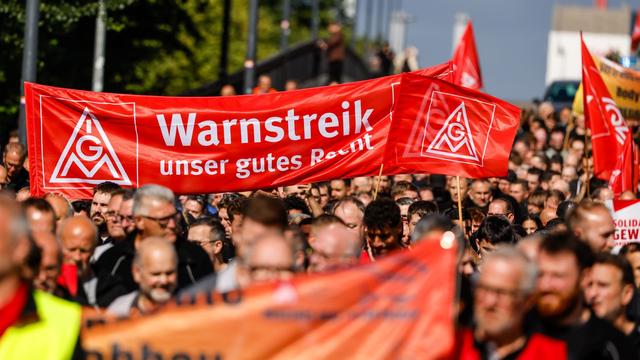
Following unrest at Mercedes-Benz, workers at Volkswagen are also expressing dissatisfaction, indicating a broader trend of discontent within the German automotive sector. The situation at these major manufacturers highlights growing tensions among the workforce. Several factors are contributing to this brewing discontent across the German auto industry. These issues are not isolated to a single company but appear to be systemic within the sector. The specific reasons for the unrest are multifaceted, impacting employee morale and potentially future labor relations. The situation at both VW and Mercedes-Benz suggests a critical juncture for the German automotive workforce. Further developments are anticipated as these concerns are addressed or escalate. The industry's response to these worker sentiments will be crucial in shaping its future stability and productivity.
The current labor tensions at German automotive giants like Volkswagen and Mercedes-Benz signal a potential shift in the industrial relations landscape. As the automotive sector navigates profound technological transformations, including electrification and digitalization, traditional employment models and worker expectations may be under pressure. Understanding the root causes of this discontent, whether related to job security, compensation, working conditions, or the pace of change, is crucial for maintaining industrial harmony. These developments warrant close observation as they could influence labor negotiations, corporate strategies, and the overall competitiveness of the German auto industry in the coming decade, particularly in the context of global market dynamics and the evolving nature of work.
AI-generated to prompt reflection — not editorial opinion, not advice, not a statement of fact. How this works.