VW Board Member Rejects Plant Closures as Future Strategy Amid Cost-Cutting Reports
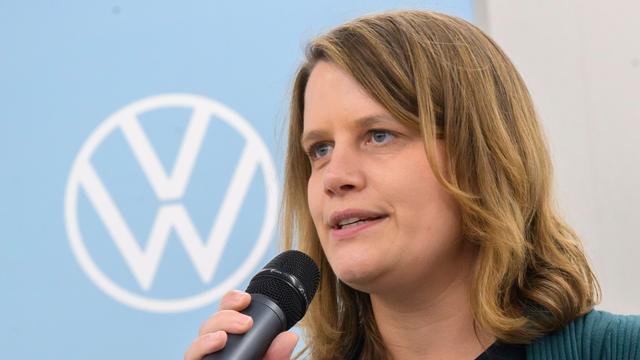
Amidst reports of cost-cutting measures at Volkswagen, a member of the company's supervisory board has stated that plant closures are not a viable future strategy. The executive emphasized that such actions would not be a sustainable path forward for the automotive giant. This statement comes as the company is reportedly exploring various options to streamline operations and improve financial performance. The supervisory board member's comments suggest a potential divergence in opinion regarding the best approach to address current economic challenges within the company. Volkswagen has been facing increasing pressure from global competition and the significant investments required for the transition to electric mobility. The company has previously announced plans to reduce costs and increase efficiency across its global operations. However, the specific details of the current cost-cutting plans and the extent to which they might involve workforce or production adjustments remain unclear. The supervisory board's role is to oversee the management board and approve major strategic decisions, indicating that this issue is under significant scrutiny. Further details are expected to emerge as discussions within the company progress.
The automotive industry is navigating a period of profound transformation, driven by electrification and evolving consumer demands. Reports of cost-cutting and discussions around plant closures at Volkswagen highlight the intense competitive pressures and capital expenditure required for this transition. While operational efficiency is crucial, a strategy heavily reliant on facility consolidation could risk long-term market share and regional economic stability. Balancing immediate financial imperatives with sustained investment in innovation and workforce adaptation will be key for Volkswagen's future competitiveness. The supervisory board's oversight is critical in ensuring that strategic decisions align with both short-term economic realities and the long-term vision for sustainable growth in the evolving mobility landscape.
AI-generated to prompt reflection — not editorial opinion, not advice, not a statement of fact. How this works.