Wacken Open Air: From Village Festival to Global Event with International Ownership
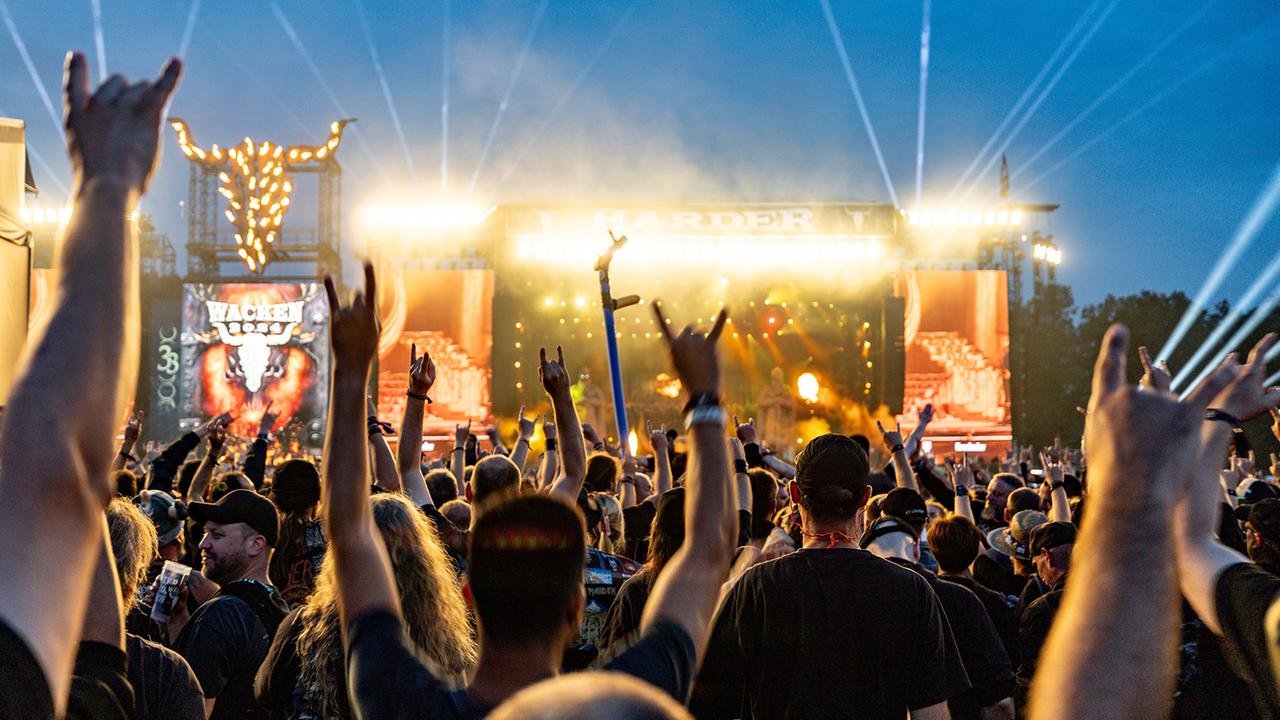
The Wacken Open Air festival, traditionally held in a small village in Schleswig-Holstein, Germany, has evolved into a globally recognized event. Its ownership structure has also become international, raising questions about the future of the festival. While the exact details of the ownership changes are not specified, the shift from a local event to a worldwide phenomenon suggests significant growth and investment. This internationalization of ownership could impact various aspects of the festival, from its programming and scale to its financial management and community relations. The article aims to explore these implications, considering what this global reach and ownership means for the iconic heavy metal gathering.
The internationalization of ownership for a prominent cultural event like Wacken Open Air signifies a transition from a niche, community-rooted festival to a significant global entertainment asset. This shift likely reflects evolving business models in the live music industry, where large-scale events require substantial capital investment and sophisticated management to meet growing audience expectations and operational complexities. The integration into global entertainment markets may offer opportunities for enhanced production values and broader reach, but it also introduces potential challenges related to maintaining the festival's authentic identity and its relationship with the local community. Future considerations may involve balancing commercial imperatives with the preservation of the unique Wacken spirit, ensuring sustainable growth that benefits both stakeholders and the festival's cultural heritage.
AI-generated to prompt reflection — not editorial opinion, not advice, not a statement of fact. How this works.