Wagner's 'Rienzi' Premieres at Bayreuth Amid Nazi-Era Shadows
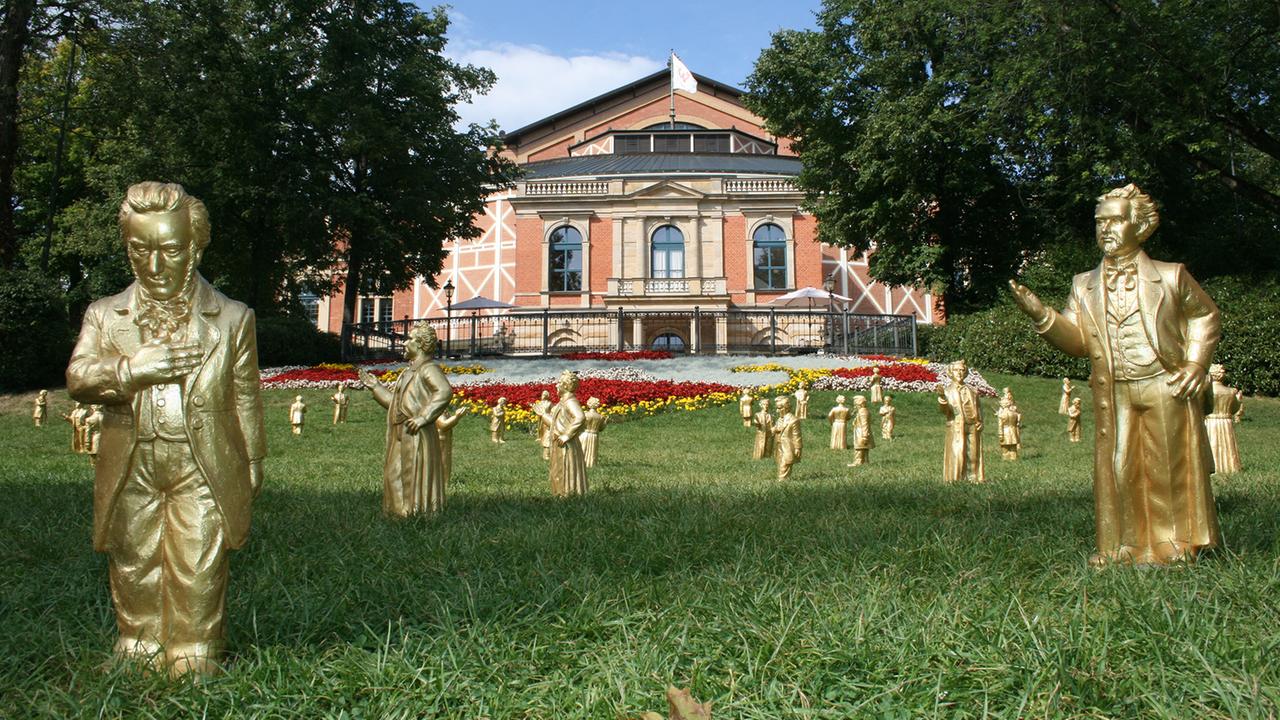
The Bayreuth Festival is set to premiere Richard Wagner's opera 'Rienzi' today. This opera holds a complex and controversial historical association, particularly with Adolf Hitler and the Nazi regime. The Nazis elevated 'Rienzi,' portraying it as a pivotal 'awakening experience' for Hitler. The opera's themes and historical reception are now being re-examined in light of its premiere. Critics and historians note that 'Rienzi' contains elements that resonate with contemporary populist movements. The production at the Bayreuth Festival is expected to engage with this fraught historical context. The opera's narrative, which deals with a tribune who rises to power and ultimately falls, has been interpreted in various ways throughout history. Its connection to Nazi ideology highlights the dangers of appropriating art for political purposes. The current staging aims to explore these multifaceted interpretations and historical parallels.
The premiere of Wagner's 'Rienzi' at the Bayreuth Festival brings to the forefront the opera's historical entanglement with Nazi ideology, where it was mythologized as a formative influence on Hitler. This re-staging prompts a critical examination of how artistic works can be co-opted and reinterpreted for political ends, a dynamic that remains relevant in the current media landscape. The opera's narrative, concerning a charismatic leader's rise and fall, offers a lens through which to analyze the enduring appeal of populist rhetoric and the potential for art to reflect or even shape societal anxieties. Understanding this historical context is crucial for discerning the opera's artistic merit from its problematic political appropriations, encouraging a more nuanced appreciation of its legacy in the decades to come.
AI-generated to prompt reflection — not editorial opinion, not advice, not a statement of fact. How this works.