Wall Street Suffers Worst Day of 2026 as Fed Holds Interest Rates Steady
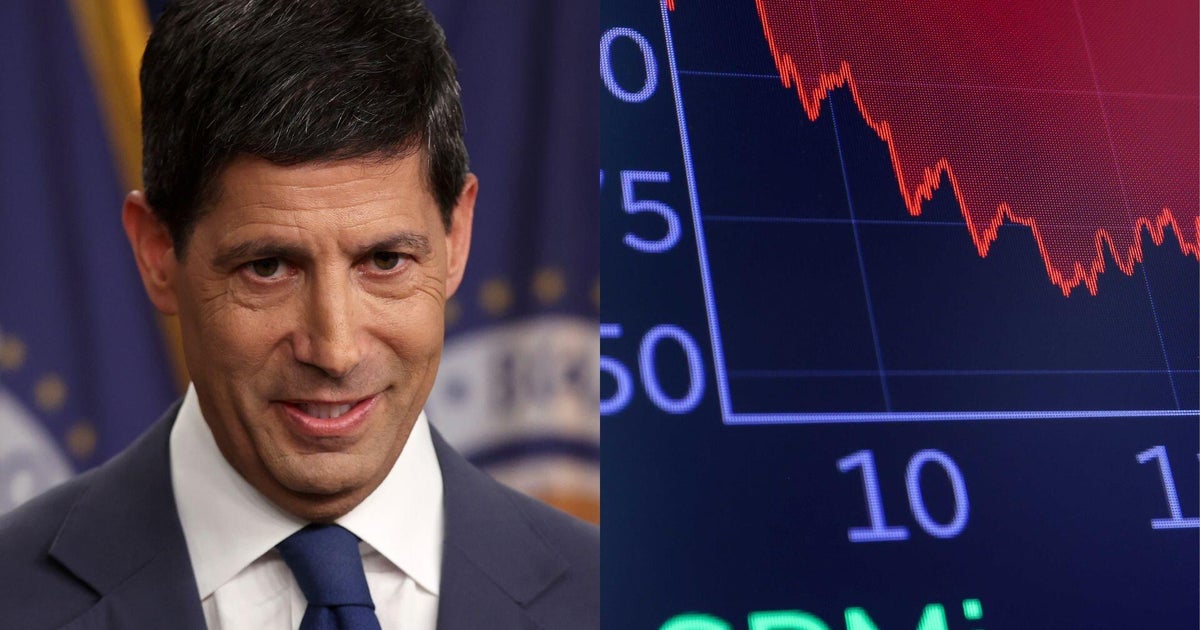
Wall Street experienced its most significant downturn of 2026 following Federal Reserve chair Kevin Warsh's announcement that interest rates would not be changed. This decision was made despite internal disagreements within the Federal Open Market Committee (FOMC). The market's negative reaction underscores investor expectations for a rate adjustment. CBS News' Kelly O'Grady provided further details on the situation. The Federal Reserve's monetary policy decisions are closely watched by the financial markets, as they can significantly impact stock prices, borrowing costs, and overall economic activity. Maintaining steady interest rates can signal a cautious approach by the central bank, potentially indicating concerns about inflation or economic growth. The dissent within the FOMC suggests a divergence of opinions among policymakers regarding the appropriate course of action for the economy. This internal debate can create uncertainty for investors, contributing to market volatility. The specific reasons for the Fed's decision and the nature of the dissent were not detailed in the initial report but are crucial for understanding the future economic outlook.
The market's sharp decline following the Federal Reserve's decision to maintain steady interest rates, despite internal dissent, highlights the sensitivity of financial markets to central bank policy signals. Investors often anticipate rate adjustments as indicators of economic health or expected inflation trends. A static rate, particularly when accompanied by internal disagreement among policymakers, can introduce uncertainty about the Fed's assessment of the economic landscape and its future intentions. This situation prompts a re-evaluation of market expectations and could reflect a divergence between investor sentiment and the central bank's perceived mandate. Looking ahead, the Fed's ability to clearly communicate its rationale and manage market expectations will be crucial in navigating potential future volatility and fostering economic stability in an evolving global environment.
AI-generated to prompt reflection — not editorial opinion, not advice, not a statement of fact. How this works.